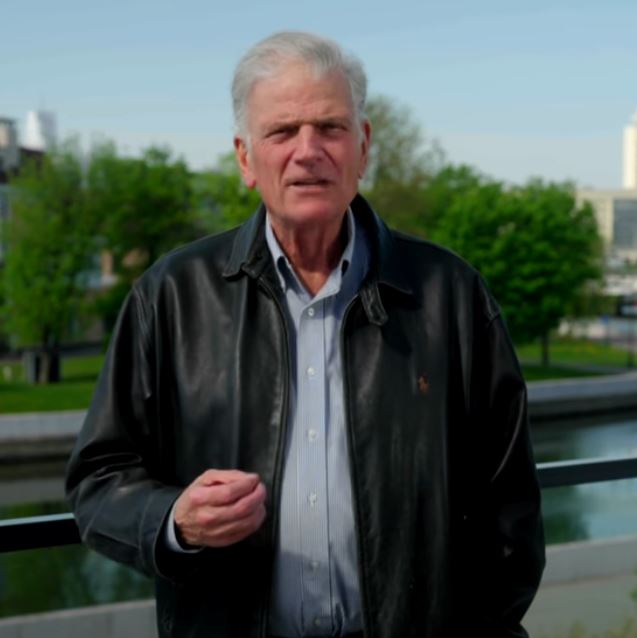
Franklin Graham's meeting with a senior Vietnamese official has raised a question that reaches far beyond diplomatic courtesies: will promises of religious freedom change daily life for Christians who still face restrictions on their worship? The gathering brought expressions of friendship, appreciation for humanitarian work and optimism about future Gospel events. Reports of arrests and government surveillance, however, give believers reason to look closely at what follows.
According to The Christian Post's October 16 report, Nguyen Dinh Khang, Vietnam's minister of ethnic and religious affairs, met with Graham during a delegation's visit to North Carolina. The group visited the Billy Graham Evangelistic Association's headquarters in Charlotte and Samaritan's Purse in North Wilkesboro, where the conversation included Vietnam's treatment of religious communities.
Khang pledged that authorities would "promote religious freedom" and strengthen implementation of protections at the local level, according to a BGEA statement cited in the report. He also described channels through which religious minorities could raise concerns and communicate their needs.
That emphasis on local implementation deserves attention. A national commitment becomes meaningful when a congregation can gather without intimidation, a pastor can minister without fear of detention and believers can raise concerns without exposing themselves to further pressure. For Christians following the meeting, those experiences will help determine the weight of the government's assurances.
Graham welcomed what he described as improvements in Vietnam's religious climate, acknowledging difficult relations with churches in earlier decades. His own visits illustrate opportunities for public evangelism: he preached in Hanoi in 2017, Ho Chi Minh City in 2023 and Can Tho in 2024. He is scheduled to return to Hanoi for the Season of Love Festival in March 2027.
Those opportunities offer grounds for encouragement, but they also invite a searching question: how far do the freedoms available at prominent events extend to smaller congregations, particularly ethnic minority Christians worshiping outside officially recognized structures?
The Christian Post reported that a pastor received a seven-and-a-half-year prison sentence this year over activities described as unregistered religious practice. It also cited concerns from Open Doors about regulations that could increase surveillance and restrictions, especially for nontraditional Protestant and ethnic minority communities. These accounts complicate the optimistic picture presented during the visit.
For Christian readers, the meeting presents a practical challenge: welcome opportunities for dialogue while continuing to listen to believers whose experiences may be less visible. Humanitarian partnerships and evangelistic gatherings can open valuable doors. Assessing progress also requires attention to the churches still struggling to worship freely.
The delegation's gift to Graham-a painting of a Vietnamese rice harvest-offered a hopeful image of friendship and future ministry. Whether that hope reaches vulnerable congregations will give this meeting its lasting significance.


