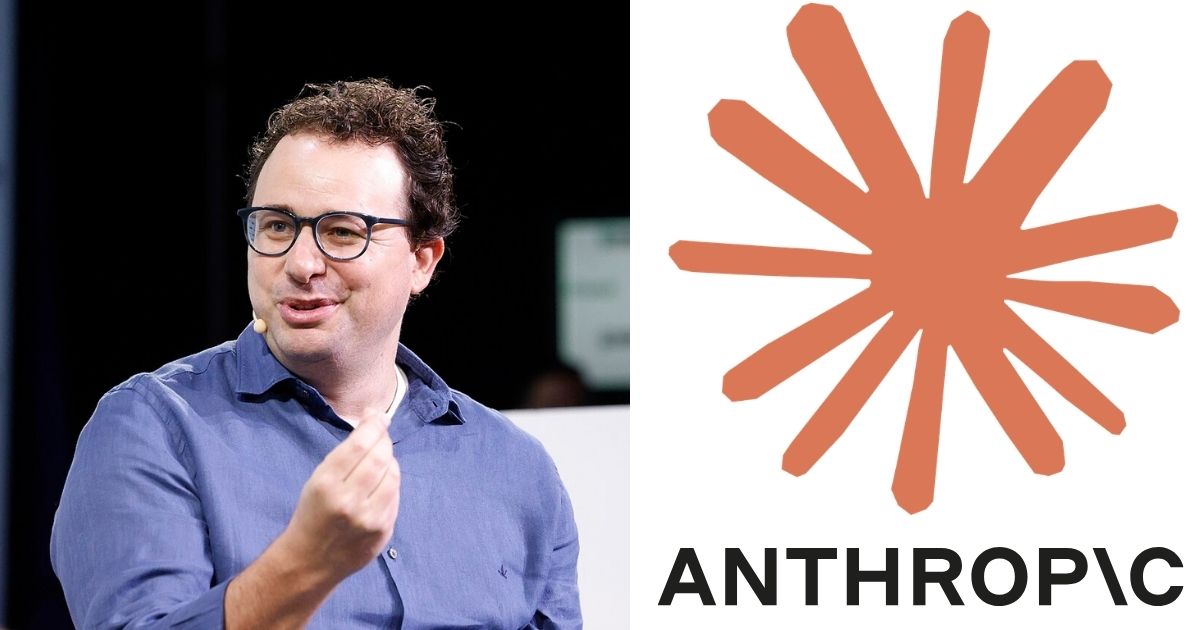
What is Anthropic AI?
Anthropic is a U.S.-based artificial intelligence safety and research company founded in 2021 by former leaders and researchers from OpenAI, including Dario Amodei and Daniela Amodei. The company is known for building Claude, a family of large language models (LLMs) designed to generate text, help with writing, reason through problems, and assist with coding and analysis.
Anthropic's brand and mission have centered on a straightforward promise: build powerful AI, but with safety "guardrails" that reduce harmful or unethical outputs. That safety-first reputation is exactly why the company has drawn attention during the anthropic trump controversy-because the dispute is fundamentally about who sets the limits on AI use: government agencies, or the private companies building the models.
Anthropic is also structured as a Public Benefit Corporation (PBC), which means it has a legal obligation to consider broader social impact-not only shareholder value. That doesn't automatically settle policy arguments, but it helps explain why the company talks so openly about ethics, safety, and potential misuse.
What is Claude?
Claude is Anthropic's best-known product: an AI assistant similar in broad concept to ChatGPT. Claude is designed to:
-
Write and rewrite text (emails, articles, scripts, summaries)
-
Answer questions and explain concepts
-
Help with coding (generate, debug, refactor, explain code)
-
Summarize long documents and extract key points
-
Analyze images in supported versions (where available)
-
Assist with planning and multi-step tasks in a more "assistant-like" style
Anthropic releases Claude in different tiers/variants, commonly described as smaller/faster versions and larger/more capable versions-so users can choose speed vs. depth depending on the task and cost.
In everyday terms: Claude is the interface most people see, but under the hood it's powered by Anthropic's LLMs and, for business customers, delivered through web apps, enterprise offerings, and APIs.
Anthropic's core approach: "Constitutional AI"
One reason Anthropic keeps showing up in policy debates is its signature safety method often referred to as "Constitutional AI." Instead of relying only on after-the-fact moderation, Anthropic's approach emphasizes training the model to follow a written set of principles-a "constitution"-to nudge outputs toward being:
-
Helpful
-
Honest
-
Harmless
In practice, that means Anthropic puts more weight on system-level constraints and safety policies. This is also where friction can arise when a customer-especially a government customer-wants broader permissions than the company's rules allow.
That tension sits right at the center of the anthropic trump standoff: Anthropic has said it does not want its tools used for things like mass surveillance or fully autonomous weapons, while U.S. defense officials have pushed for access for any "lawful" military use.
What tools and software does Anthropic offer?
Anthropic's "tools" generally fall into a few buckets. If you're covering this as a follow-up explainer, these are the key ones readers care about.
1) Claude (consumer and business AI assistant)
This is the main product most people recognize-an AI chat interface where users can ask questions, generate content, and get help with tasks.
Typical uses:
-
Writing help (blogs, captions, press releases, speeches)
-
Brainstorming and outlines
-
Summaries of articles, reports, sermons, meeting notes
-
Study help and explanations
2) Claude for teams and enterprise
For organizations, Anthropic offers business-oriented access designed for workplace needs-often with stronger admin controls, security options, and compliance features (the exact bundle can vary by region and platform).
Typical uses:
-
Customer support drafting
-
Internal knowledge base Q&A
-
HR and policy document summarization
-
Contract and document review support (with human oversight)
3) Anthropic API (developer platform)
If a company wants Claude inside its own app or workflow, it typically uses an API. That's what enables:
-
Chatbots embedded in websites
-
AI writing helpers inside software
-
"Document intelligence" tools (searching/summarizing internal PDFs)
-
Automated analysis pipelines
Developers can also set "system prompts" and safety parameters to shape behavior-though Anthropic still enforces usage policies.
4) Coding and developer helpers
Claude is widely used for coding tasks: generating functions, fixing bugs, explaining unfamiliar codebases, writing tests, and refactoring. Many teams use it like a fast "pair programmer."
Even if product names evolve over time, the common feature set is stable:
-
Code generation
-
Debug assistance
-
Reasoning through errors and logs
-
Documentation writing
5) Long-document and "long context" work
Anthropic has been known (relative to many competitors) for models that handle large amounts of text at once. That makes it popular for:
-
Summarizing long reports
-
Comparing multiple documents
-
Turning meeting transcripts into action items
-
Analyzing lengthy policies or legal text (with professional review)
6) Cloud partnerships (where Claude is available)
Anthropic models are also distributed through major cloud platforms (depending on commercial arrangements and region). For readers, the takeaway is:
-
Many enterprises access Claude through cloud ecosystems they already use.
-
This makes Claude easier to adopt at scale, especially for regulated industries.
Why is Anthropic in the "anthropic trump" spotlight?
This explainer matters because it answers the "why them?" question.
Anthropic became a flashpoint because:
-
The company's safety policies can restrict certain government use cases.
-
Defense leaders argued those limits could interfere with lawful military needs.
-
Anthropic argued some categories of use (like mass surveillance or fully autonomous weapons) cross ethical lines.
That means the dispute isn't just about one vendor. It's a proxy fight over the future rules of AI: Does the government set the boundaries because it's "lawful," or do AI builders retain the right to refuse certain applications?
What should everyday users take away?
If you're a normal reader-not a policy wonk-the practical takeaway is simple:
-
Anthropic makes Claude, a major AI assistant used for writing, coding, and analysis.
-
The company is strongly associated with AI safety guardrails.
-
The anthropic trump dispute is less about "a chatbot" and more about whether AI safeguards can survive high-stakes government and defense demands.
And for faith-based audiences watching tech shape society, this moment also raises a values question: Just because we can automate something, should we? Wisdom, accountability, and human dignity matter as much as raw capability-especially when technology touches surveillance, warfare, and power.
Related: Why Anthropic Refused the Pentagon And What Trump Did Next?


