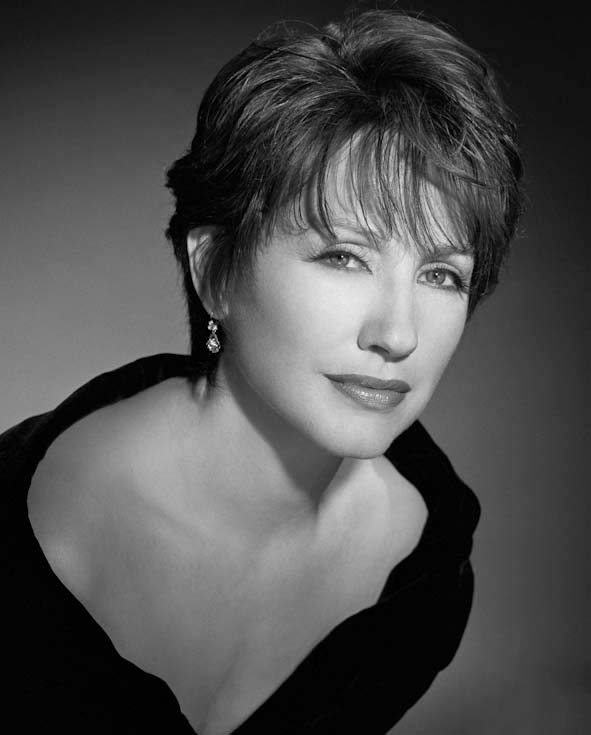
The passing of Nathalie Baye, the acclaimed French actress known to global audiences through Downton Abbey: A New Era and Catch Me If You Can, has drawn widespread attention-but beyond the headlines lies a quieter, deeply human story that is now resonating with many. Baye died at the age of 77 in Paris, closing the chapter on a remarkable career that spanned more than five decades and shaped both French and international cinema.
While tributes continue to pour in from across the entertainment world, a growing number of readers are not only remembering her iconic performances but also reflecting on the lesser-seen final years of her life. Baye spent her last days away from the spotlight, following a prolonged struggle with Lewy body dementia, a complex neurodegenerative condition that gradually affects memory, cognition, and movement. Though widely recognized within medical circles, the disease remains less understood publicly-making her story all the more significant.
In an industry often defined by visibility and constant presence, Baye's quiet withdrawal stands in stark contrast. Rather than maintaining a public image during her declining health, she chose privacy, spending her final years at home in Paris surrounded by family. Those close to her shared that despite her condition, her sense of identity and artistic spirit endured, reflecting the same depth and authenticity that defined her work on screen.
For many fans, Baye's legacy is tied to her unforgettable performances. International audiences remember her as Paula Abagnale, the composed yet emotionally layered mother in Steven Spielberg's Catch Me If You Can. More recently, she appeared in Downton Abbey: A New Era, introducing her presence to a new generation. Yet in France, her impact runs far deeper. She was a cinematic force, starring in over 80 films and earning four César Awards, including an extraordinary streak of consecutive wins in the early 1980s.
Her collaborations with legendary directors such as François Truffaut and Claude Chabrol helped define a golden era of French cinema. Known for her emotional precision and understated elegance, Baye brought a unique authenticity to every role-never overplayed, always deeply felt.
French President Emmanuel Macron was among those honoring her legacy, writing that she was an actress "with whom we loved, dreamed, and grew up." His words echo the sentiment of a nation that saw in Baye not just a performer, but a cultural presence woven into decades of storytelling.
Beyond film, Baye lived a life that remained largely grounded. Though she had a high-profile relationship with musician Johnny Hallyday and was the mother of actress Laura Smet, she consistently kept her personal life out of the spotlight. It was her work-not her fame-that defined her.
There's something profoundly moving about the renewed attention surrounding her life now. In a world driven by constant updates and visibility, Nathalie Baye's final chapter reminds us of the quiet dignity that can exist beyond public view. Her story is not only about cinematic achievement but also about endurance, grace, and the ability to face life's final season with calm strength.
From a faith-centered perspective, her journey subtly reflects a deeper truth: that a life's meaning is not diminished by its struggles, but often revealed through them. Even in silence, even in retreat, there is value, purpose, and a legacy that continues to speak.
As audiences revisit her films and reflect on her contributions, Nathalie Baye is remembered not just for the roles she played-but for the quiet strength with which she lived.


