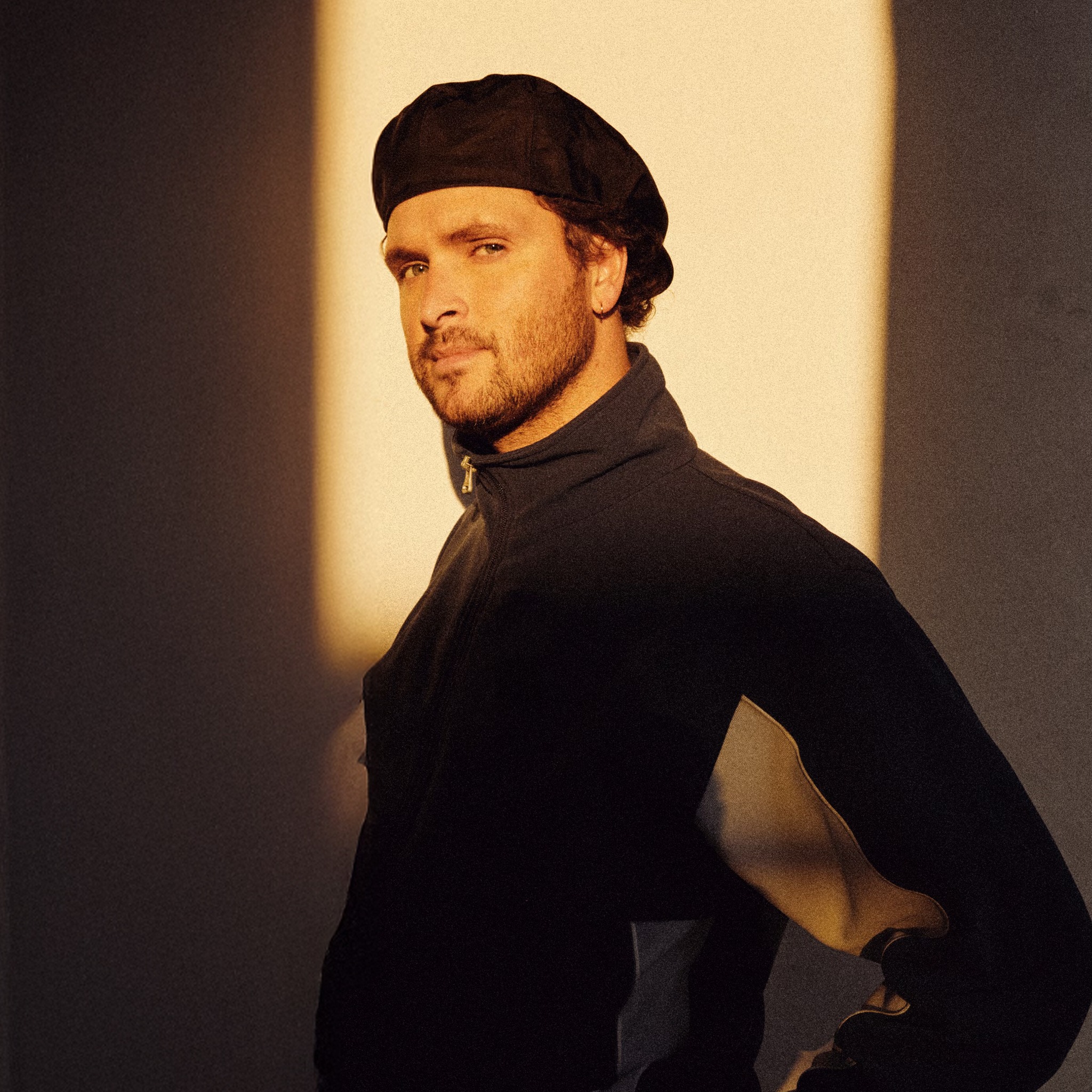
Hillsong Young & Free did not receive the kind of carefully planned farewell normally afforded to a globally successful worship group. According to founding member Aodhán King, the group's run came to a slow but unexpectedly abrupt conclusion-just as its members believed they were entering their strongest creative season.
Appearing on JT Smith's Never Had a Bad Day podcast, King spoke candidly about what happened behind the scenes as the youth worship collective effectively disappeared from view.
"It was really hard because it was an abrupt ending," King admitted.
Young & Free had spent much of the previous decade supplying youth ministries with high-energy worship anthems including "Alive," "Wake," "Real Love," "Let Go," and "This Is Living." However, King said the group's momentum was interrupted just as its members felt more confident and creatively united than ever.
By late 2019 and early 2020, King believed Young & Free had finally found an unusual sense of ease and purpose.
"We'd finally hit a space where there was a fluidity to everything that we were doing," he explained. "There was an ease, I guess-a grace."
King said the group had completed what he regarded as its best record and was preparing for what everyone expected to be its biggest year yet. Plans reportedly included more touring, major events and greater freedom to expand Young & Free beyond the limitations created by its members' responsibilities at Hillsong's youth ministry.
Then the COVID-19 pandemic shut everything down.
While touring restrictions initially affected nearly every artist and ministry, Hillsong Young & Free faced additional complications as controversies and organizational changes began engulfing Hillsong Church.
"I think then, obviously, Hillsong stuff happened," King said, carefully acknowledging that "a lot of stuff went down at Hillsong."
The turmoil affected individual band members differently. Meanwhile, prolonged lockdowns in Australia kept the musicians at home, international travel remained restricted and many members began moving into new stages of life.
Some got married or started families. Others were forced to reconsider their employment as Hillsong reportedly carried out widespread redundancies.
King revealed that several former Young & Free musicians moved into careers far removed from international worship tours. Keyboardist Jack reportedly became a Qantas pilot, while bassist Tom Furby moved into the technology sector. Vocalist and worship leader Melodie Wagner relocated to London to work as a songwriter.
"Everyone just had to move on because there wasn't an outlet," King said.
The singer described the group's ending as both gradual and sudden. Although circumstances slowly pulled the musicians in different directions, the members never had the opportunity to deliberately close the chapter together.
"When you're in it, you could never imagine it ending," King reflected. "Then it just ended."
King admitted that the members grieved what they had lost, particularly because they still believed Young & Free had more to accomplish.
"There's definitely an element of, 'Man, there's still so much more we want to do,'" he said.
Despite the disappointment, King insisted that his personal calling had not changed. He remains committed to worship music and to creating environments in which people can encounter God. Young & Free may have been the vehicle for that calling during one season, but King has continued pursuing it through his solo career and collaborations with other worship artists.
However, the most surprising moment of the interview came when Smith directly asked whether Hillsong Young & Free could ever return.
King did not hesitate.
"Yeah, I think so," he replied.
According to King, conversations are already underway about reviving the group in some form. The musicians are attempting to determine what Young & Free could become now that they are older, no longer working directly in youth ministry and potentially operating outside Hillsong Church.
"That's what we're working on," King revealed. "We're trying to figure out the details of it all."
One major issue appears to be the group's relationship with Hillsong. King indicated that a future version of Young & Free would not remain part of the church organization.
"Obviously, it wouldn't be a part of Hillsong anymore," he said.
King added that the musicians had been holding discussions with Hillsong for an extended period in an attempt to determine how the group could move forward independently.
"We've had conversations with Hillsong for a long time trying to get it out and work out what that looks like," he explained, adding that those talks appeared to be nearing a conclusion.
The group would also need to rethink its name, identity and mission. King joked that the musicians were no longer particularly young, although they might still qualify as free.
"We were like 19 or 20 when we were doing it," he said. "None of us work in youth ministry anymore."
Nevertheless, King said the members remain passionate about reaching younger listeners and creating the same kind of energetic, distinctive worship music that made Young & Free internationally successful.
"There's still passion amongst all the guys to create something that's fun and uniquely Young & Free," he said.
King stopped short of announcing a confirmed reunion, release date or official lineup. Still, his comments offer the clearest indication yet that the Young & Free story may not have ended when Hillsong's turmoil and the pandemic scattered its members.
For fans who grew up shouting the group's lyrics in packed youth services, the possibility of a comeback is likely to generate considerable excitement-and plenty of questions.
The biggest question may no longer be why Hillsong Young & Free ended.
It may be whether the musicians can reclaim the group's music, mission and identity without Hillsong attached to the name.


