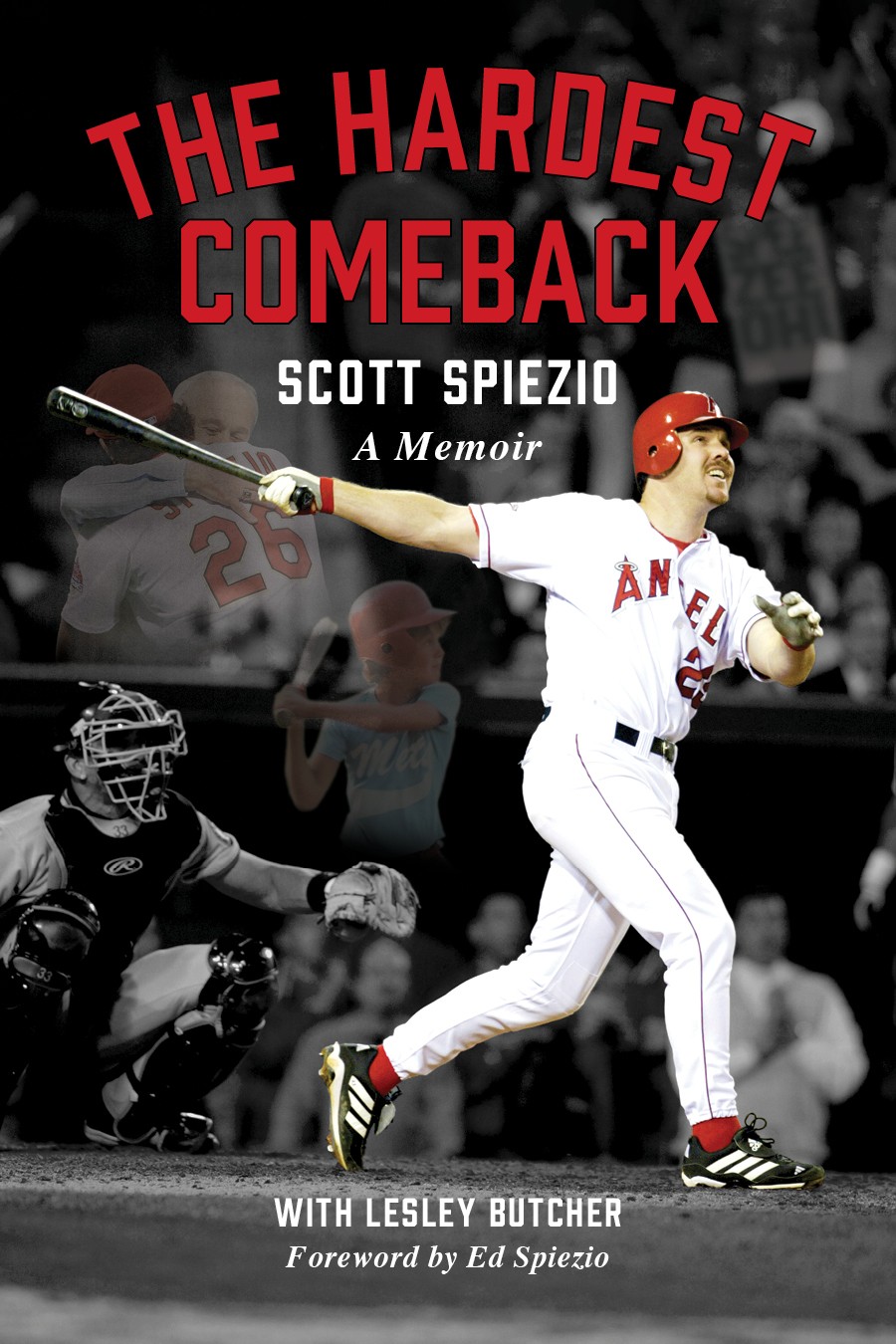
Millions of baseball fans remember Scott Spiezio as the hard-charging infielder whose three-run home run in Game 6 of the 2002 World Series helped spark one of the most memorable comebacks in Anaheim Angels history. He would leave baseball with two World Series rings, including another championship with the St. Louis Cardinals in 2006. But Spiezio now says the hardest comeback of his life had nothing to do with baseball. Behind the championships and national attention, he was losing himself to addiction, damaged relationships, financial troubles and arrests until a doctor delivered a terrifying warning: he had only a 20% chance of surviving.
In an exclusive interview with Jubileecast, Spiezio opens up about the moment he finally cried out to Jesus, why he now believes his identity can no longer be found in baseball, and the painful secrets he chose to reveal in his memoir, The Hardest Comeback, and forthcoming documentary, SPIEZIO. "I finally surrendered in that hospital," Spiezio tells us. "I've trusted Him ever since."
Q: For Jubileecast readers who may be meeting you for the first time, tell us a little about who Scott Spiezio is-both the baseball player millions watched on television and the man you are today.
Honestly, I'm a guy who loves his family and loved playing baseball. I let the success of baseball become too important and lost myself somewhere in the middle of injury and attention, but Jesus rescued me, and today I can honestly say I know Him. I still love baseball and my family and enjoy my simple life in the Midwest.
Q: You experienced extraordinary highs in baseball, including winning two World Series championships and hitting that unforgettable home run for the Angels in Game 6 of the 2002 World Series. When you look back now, what did success and winning mean to you then, and how has your definition of success changed?
Winning that World Series represented a payoff for the thousands of hours my dad and I put in, and the nights we spent visualizing and praying that moment would come. It validated me in many ways, but I didn't realize it had become the foundation of who I was-my identity.
Today, success looks like showing up for people I care about and making a difference with my life. I want to point people to Jesus so that they can find their identity solely in Him.
Q: Behind the championships and public success, you were struggling with addiction, broken relationships, financial problems, and eventually multiple arrests. Was there a particular moment when you realized your life had reached rock bottom and that something had to change?
There were quite a few moments that should have been rock bottom, but I fought it. Before I was in the hospital, I definitely had moments where I wondered if everyone would be better off without me. Not being physically able to show up for my kids' stuff probably hit the hardest, but I'm stubborn.
It took a doctor looking me in the eye and telling me I had a 20% chance to live to really get my attention.
Q: Faith is an important part of your comeback story. What role did God play in your recovery, and was there a specific moment when faith became more than an idea and something you personally needed to survive and rebuild your life?
In my book, I quote Brian Johnson, saying, "Consider it a gift when Jesus is your only option."
I was desperate, and thankfully I'd had enough Scripture and faith inside me to know that I wasn't going to survive without God taking the wheel. He became like a life raft. When I cried out to Him in the hospital, I meant it wholeheartedly.
Every day I'm either reading Scripture, listening to worship music, or praying with or for someone. I finally surrendered in that hospital, and I've trusted Him ever since.
Q: Your memoir, The Hardest Comeback, and the documentary SPIEZIO require you to revisit some deeply painful chapters of your life. How difficult was it to be this vulnerable, and what did you learn about yourself while telling the whole story rather than simply the World Series highlights?
It was really hard. Sometimes while sharing those moments with my writer, Lesley, I would feel physically ill. I can't believe some of the stuff I've done. It also felt like I was talking about someone I no longer even knew. I've come a long way, and I'm really grateful for that.
I think I've learned that vulnerability is really powerful. It allows people to connect with you in ways you didn't think possible. Sin can take you places that you never thought you'd go, and I'm not the only one who's found themselves with regret.
I decided to share some of the darkest parts of my journey in hopes that others would see just how powerful God's forgiveness and grace is, and when I say He brought me out of the pit, they would get a glimpse of how deep that pit had gotten.
I hope someone out there reading who has gone through dark times might feel less alone and start to believe that if God can save me, He can save them.
Q: There may be someone reading this interview who is battling addiction, shame, failure, or the feeling that they have ruined too much to start again. Having lived through your own remarkable comeback, what would you say to that person today?
It's never too late. God didn't rescue and forgive me because I'm special. He sees you and loves you. Don't stay silent. Reach out. I know it's scary to open up, but it's the only way.
I'm still living out some of the consequences of my own decisions, but He's given me joy and peace and freedom that is possible for everyone.
You cannot change the past, but by God's grace He can write a different ending to your story. He's still writing mine.
Purchase his new memoir, The Hardest Comeback and watch his documentary SPIEZIO, premiering theatrically September 10 (check out the official trailer here).


