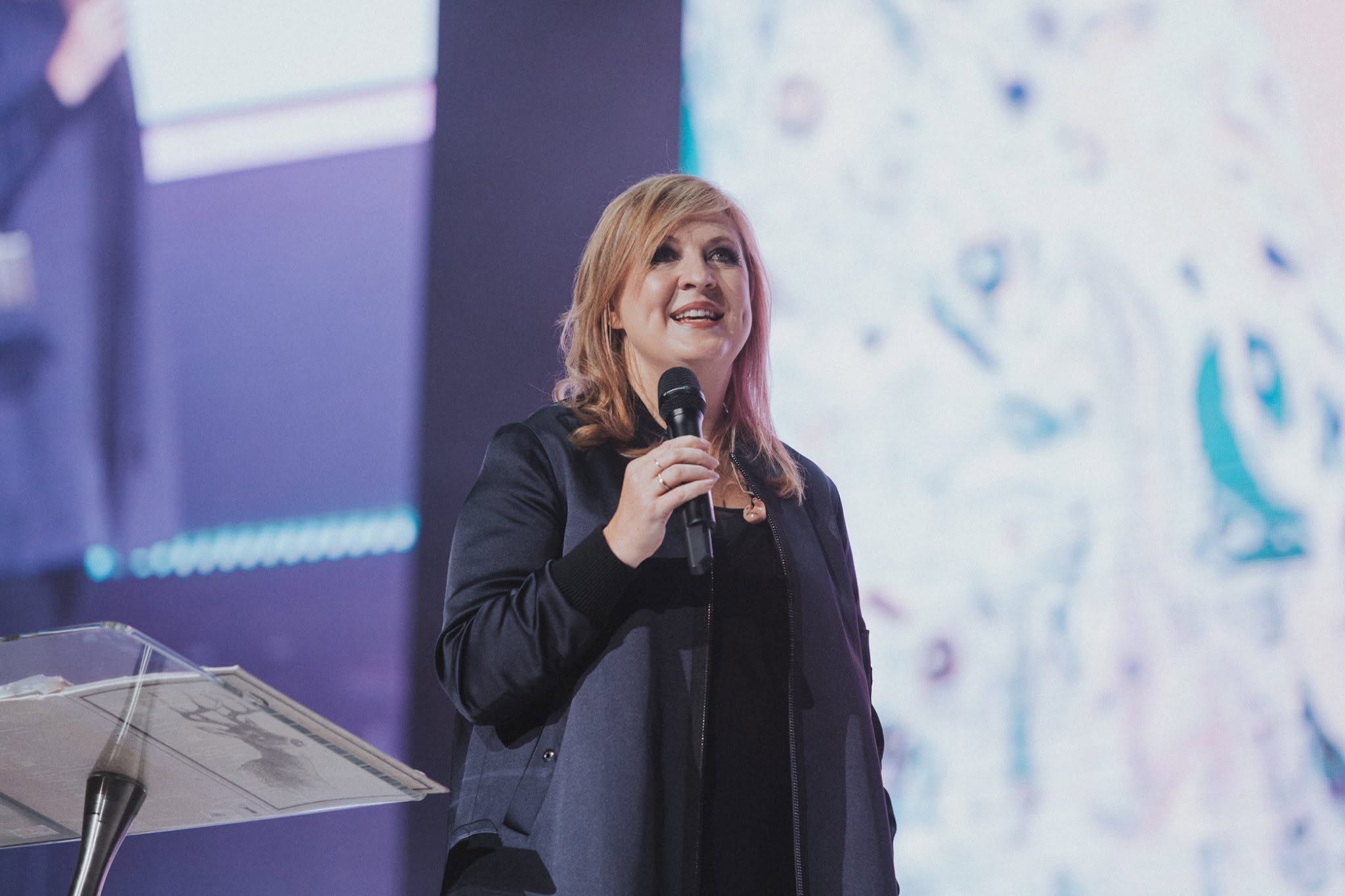
Darlene Zschech has a word for Christians who have prayed for years and seen little change: do not mistake waiting for abandonment. In a message delivered at Bethel Sydney Conference 2026 and posted online September 23, the worship leader spoke about the moments when God seems to move "suddenly." But she spent just as much time addressing the harder experience that comes before them-the ordinary days when the hoped-for answer has not arrived.
Zschech acknowledged how easily a long wait can become a painful question about God's attention. A person may begin to wonder whether God has stopped listening or is angry with them, she told the gathering. Her response was to describe a "suddenly" as an event that feels abrupt to the person experiencing it, even while preparation has been taking place over time. For someone still living with disappointment, that distinction offers hope. It also raises the question her message cannot simply brush aside: how does a person keep hoping without pretending the wait has been easy?
She pointed to the disciples waiting together before Pentecost in Acts 2. In her telling, their story begins with obedience away from the spotlight, before the dramatic sound and movement associated with the coming of the Holy Spirit. Zschech drew attention to the less visible part of that account: they stayed, prayed and waited. She urged listeners not to despise days spent caring for children, studying or attending to the people already around them while imagining a larger calling ahead.
That emphasis gave her message a practical edge. Zschech challenged the temptation to focus so intensely on one anticipated breakthrough that smaller opportunities go unnoticed. Someone dreaming of reaching nations, she suggested, might begin by caring for a neighbor. Waiting, in this view, asks something of a believer in the present; it does not mean putting life on hold until an extraordinary event occurs.
Zschech also urged the audience to pray with expectation, even if a previous prayer remained unanswered. "God doesn't anoint perfection," she said. "He anoints availability." Yet she stopped short of prescribing exactly what God would do for any individual. The "right place," as she described it, involves prayer, attentiveness and faithful action; the "right time" belongs to God.
Near the end of the message, Zschech spoke directly to people whose disappointment had made it difficult to hope. She invited them forward for prayer and asked them to bring before God requests they had set aside. Her appeal was about renewed trust amid uncertainty, as well as the possibility of changed circumstances. She suggested that even when a situation does not change, the person facing it may.
That may be the most searching part of Zschech's message. It is stirring to speak of sudden breakthroughs in a conference room; it is harder to return home to a prayer that remains unanswered. She urged listeners to do both: ask boldly for God to act and remain attentive to the life in front of them while they wait.


