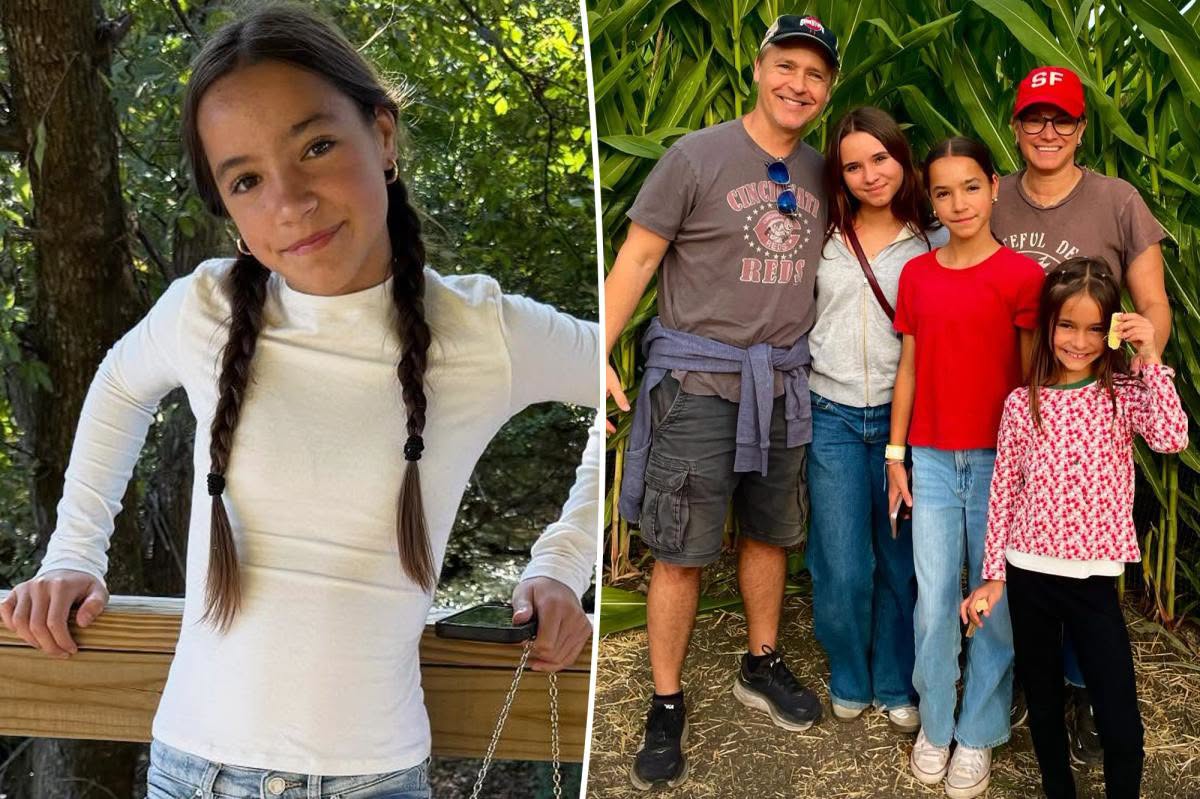
Actor Chad Lowe and his wife, producer Kim Painter, are mourning the death of their 13-year-old daughter, Fiona Hepler Lowe. Their announcement brings a devastating family loss into public view while making a clear request of those reading it: prayers and privacy.
In a statement shared with People on September 29, the family remembered Fiona as a bright, creative girl who loved dancing and was cherished by her parents and sisters. "She was the light of our lives," they said. The report did not disclose a cause of death or specify when she died.
The news raises a difficult question about how audiences respond when a familiar actor experiences an intensely private tragedy. Expressions of sympathy can offer comfort, but public attention can also create pressure for explanations. The family's request gives readers a practical starting point: acknowledge the loss without demanding access to the circumstances surrounding it.
Fiona was the second of Lowe and Painter's three daughters, between older sister Mabel and younger sister Nixie. Lowe, the younger brother of actor Rob Lowe, had previously shared his joy at watching Fiona enter her teenage years, celebrating her birthday with an affectionate message encouraging her to keep dancing through life.
That memory makes the announcement especially painful. A birthday post preserves an ordinary parental hope: watching a child grow, discover her interests and move toward adulthood. The family's remembrance of Fiona invites readers to recognize that life and those relationships, rather than allowing unanswered questions to dominate her story.
The family had already endured the loss of their Pacific Palisades home in the 2025 fires. Lowe subsequently described taking his daughters back to see what remained and expressed admiration for their resilience. Their daughter's death is a separate tragedy, and the report provides no basis for connecting the two events.
For readers who want to help, the challenge is to make compassion useful. Sharing the family's words accurately, resisting speculation and respecting their silence are meaningful responses. A public statement allows a family to communicate what it chooses; it does not create an obligation to answer every question that follows.
For Christians, the request for prayers calls for particular care. Prayer can name the parents' heartbreak, the sisters' loss and their need for support in the days ahead. It can also acknowledge the limits of what outsiders know, without trying to supply a spiritual explanation for a child's death.
Scripture gives grief room to speak. Jesus weeps at Lazarus's tomb in John 11:35, while Romans 12:15 calls believers to weep with those who weep. Those passages offer a way to approach bereavement through presence and shared sorrow, allowing mourners to express pain without having to make it reassuring for everyone else.
That principle matters in the messages people leave online. Familiar phrases about being strong or finding a reason for the tragedy may place an additional burden on parents who are simply trying to endure. A brief expression of sorrow, a sincere promise of prayer and respect for their boundaries can communicate care more gently.
The most responsible coverage will keep Fiona's identity at the center of the story: a daughter and sister remembered for her creativity, intelligence and love of dance. As Lowe and Painter face her loss, their request asks the public to let compassion govern its curiosity-and to give their family the space to grieve.


