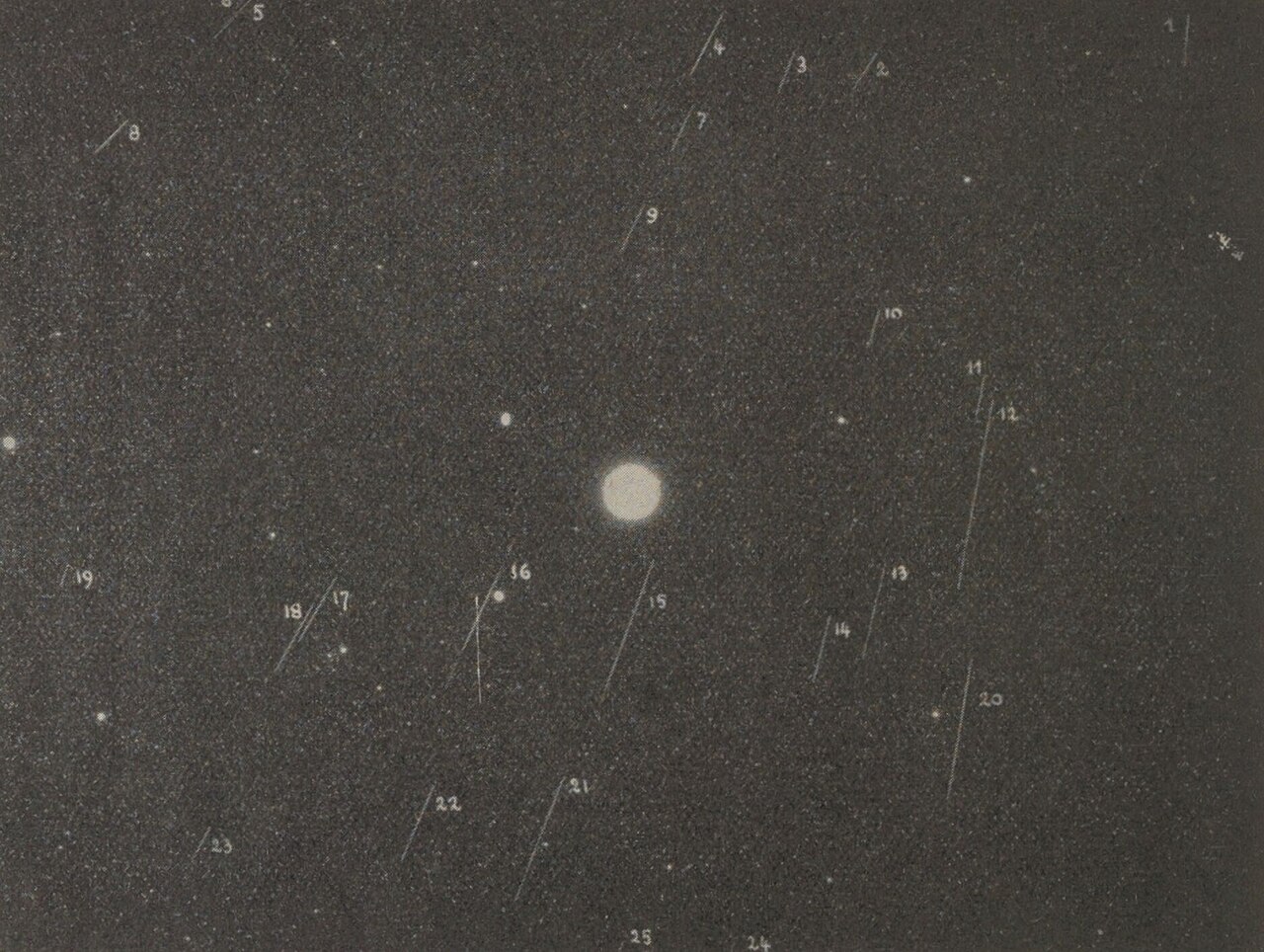
Skywatchers have a rare evening treat this week. The Draconid meteor shower peaks on Thursday night, October 8, into early Friday, and the Moon is almost out of the way.
When to watch
The Draconids are active from October 6 to 10. The predicted peak is around 01:00 UTC on October 9, which is about 9 p.m. Eastern and 8 p.m. Central on Thursday. On the West Coast that is about 6 p.m., before dark, so start as soon as night falls. Unlike most showers, the Draconids are best seen in the evening, so no pre-dawn alarm is needed.
What to expect
- Meteors per hour: Roughly 5 to 10 under a dark sky. This is a modest shower, and no outburst is predicted for 2026.
- Moon: A thin crescent, with the new moon arriving on October 10.
- Where to look: The shower is best seen from the Northern Hemisphere. Meteors appear to radiate from near the head of Draco the Dragon in the northern sky, but you can watch any part of the sky.
- Look: Draconids are slow-moving, so they often appear as lingering streaks.
- Source: Earth passes through debris left by comet 21P/Giacobini-Zinner.
Viewing tips
Get away from city lights, let your eyes adjust for about 20 minutes, and bring a blanket or chair. Check your local forecast, since clouds can ruin a good night. If Thursday is cloudy, nearby nights may still show a few meteors.
Next up: the Orionids
The Orionid shower peaks October 21 to 22, best seen in the hours before dawn. A bright Moon will be in the sky after midnight, though it sets several hours before sunrise.
"The heavens declare the glory of God" (Psalm 19:1). Whether you see a handful of meteors or a quiet starry sky, it's a good evening to step outside, look up, and take it in.


