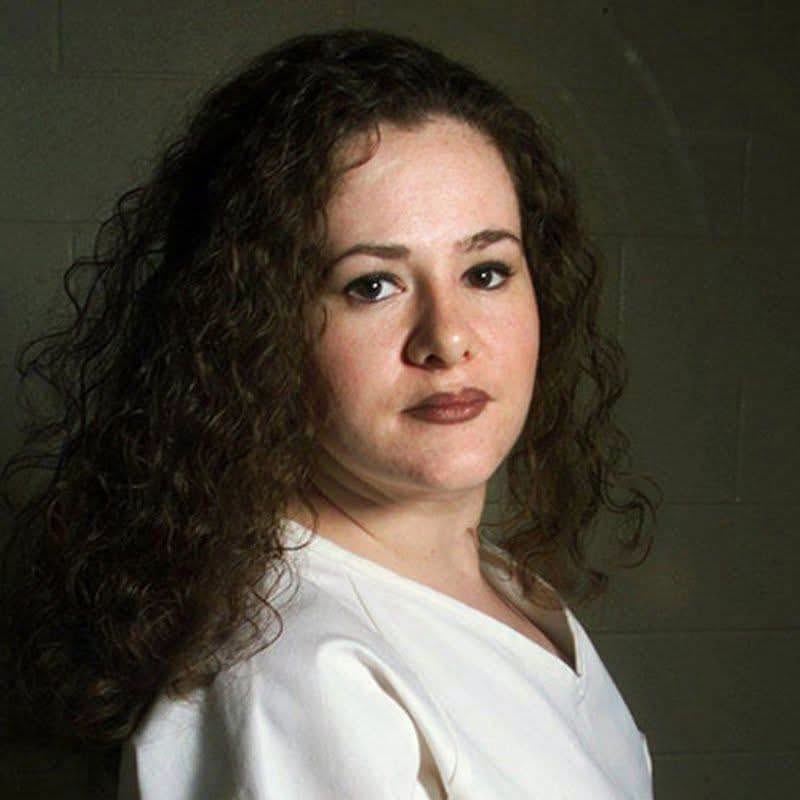
Christa Pike can now talk after surviving Tennessee's attempt to execute her-a startling development nearly a week after she was taken from the execution chamber to a hospital. The 50-year-old convicted murderer has regained consciousness and is speaking, her attorneys announced October 6, as questions mount over the failed lethal injection and her uncertain future.
Days earlier, Pike was unconscious and on a ventilator. Now, the woman Tennessee intended to put to death is able to speak, although no account of what she has said has been disclosed in the latest reports reviewed. Her return to consciousness brings renewed attention to what happened inside the chamber-and whether she will eventually be able to describe it herself.
"Against all odds," her attorneys said in announcing the development. They reported that Pike continues to receive critical medical care, has suffered severe damage to her arms and remains handcuffed and shackled to her hospital bed. They described her recovery as medically unprecedented while warning that her prognosis remains uncertain.
The improvement does not mean she is out of danger. Dr. Joel Zivot, a medical expert who consulted for her defense, told The Associated Press that Pike is off the ventilator but remains in intensive care. He cautioned that serious complications remain possible and that the extent of her recovery may take weeks or months to establish.
The September 30 execution attempt left witnesses with disturbing observations and unanswered questions. Pike survived the administration of two doses of pentobarbital, the drug intended to kill her. CNN reported that witnesses observed her breathing, moaning and snoring during parts of the procedure, while closed blinds obscured other portions of what unfolded.
Tennessee's Department of Correction maintains that its staff followed the established execution protocol. Governor Bill Lee has ordered an independent review and halted the remaining execution scheduled for this year. The state must now explain how its execution procedure ended with emergency medical treatment for the prisoner it had intended to kill.
Pike's lawyers are pursuing records as well as answers. They are seeking a court order requiring officials to preserve evidence from the attempted execution, including drug lot numbers and other documentation. A status conference is scheduled for Wednesday, October 7, as the legal team continues asking Lee to replace her death sentence with life imprisonment without parole.
The case began with another young woman's life being taken. Pike was 18 when she participated in the brutal 1995 killing of 19-year-old fellow student Colleen Slemmer. That murder remains the reason for her death sentence, even as the failed execution places Tennessee's methods under intense scrutiny.
For now, Pike's ability to talk is the most striking development in a case already marked by extraordinary uncertainty. Her recovery could eventually bring a firsthand account of the execution attempt. Whether she will be well enough to provide one-and what happens to her sentence afterward-remains unresolved.


