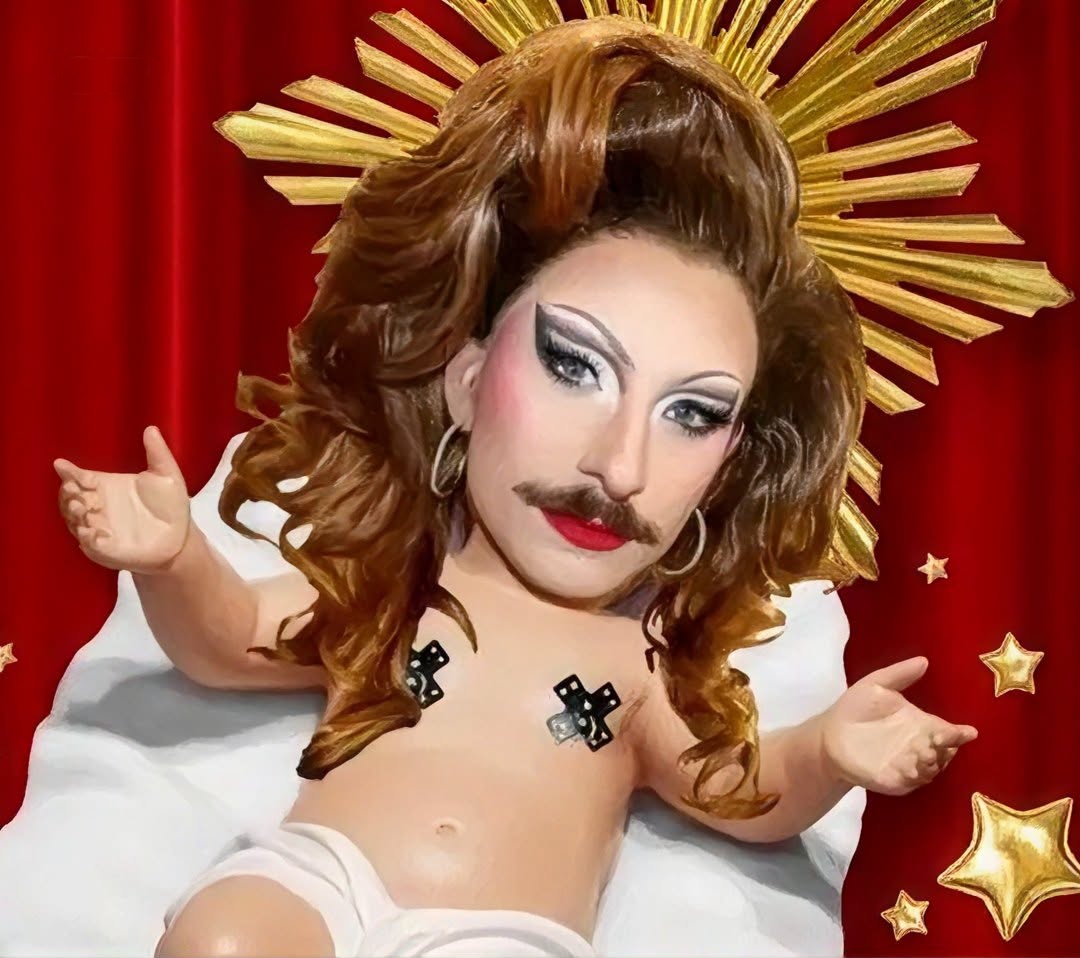
More than 100,000 people have signed a petition opposing a drag show in Hackney, east London, after promotional material for the event depicted the infant Jesus. The campaign has drawn attention to the use of one of Christianity's most recognisable images in advertising for the performance.
The objection centres on the choice to feature Jesus as a child. For Christians, the infant in the Nativity is the focus of Christmas worship. The accounts in Matthew and Luke tell of Jesus' birth, and the image of the child in the manger appears in churches, homes and public displays throughout the season. Christians see in that child the fulfilment of God's promise to come among his people.
That meaning can get lost in a debate over whether an advertisement is provocative or offensive. For a congregation preparing to read the Christmas story again, the image has a particular history and purpose. It recalls the child whom the shepherds went to see after hearing the angel's announcement and whom the Magi came to worship. Those scenes help explain why the use of the infant Jesus to promote an event can draw a response from people far beyond the neighbourhood where it is taking place.
The petition also brings a practical question into focus for church leaders and congregants. How can Christians express an objection in a way that makes their concern clear? A response can begin with the specific decision at issue, the use of the infant Jesus in the promotional material, and explain why that choice matters. In a public discussion that involves performers, organisers and audiences, directing criticism at the advertisement keeps the conversation focused on the decision the petition challenges.
Advent gives churches a setting to talk about the story behind the image. A carol service, a reading from Luke or a conversation around a Nativity display can help people understand why Christians hold the scene dear. In Luke's account, the angel announces the birth as good news of great joy for all the people. For Christians responding to the Hackney controversy, those words offer a way to say what they are defending and why they want others to hear it.


