What if the only lap you led was the one that mattered most?
And what if that moment came after a year filled with pressure, setbacks, and personal trials?
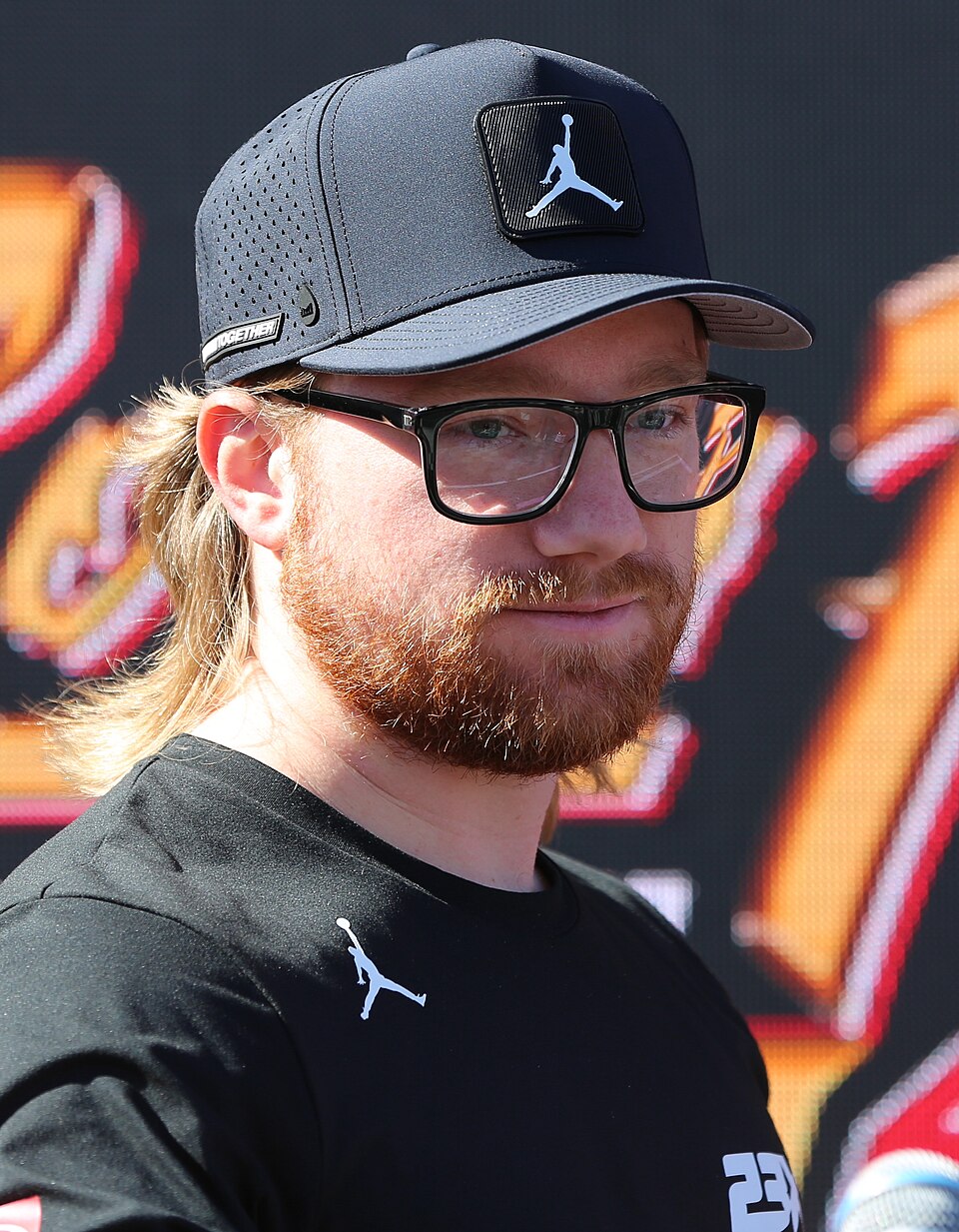
That was the story of Tyler Reddick on Sunday, February 15, when the 23XI Racing driver captured his first Daytona 500 victory in dramatic fashion - passing Chase Elliott in the final moments of NASCAR's biggest race.
A Victory Decided in Seconds
The 68th running of the Daytona 500 came down to the final 500 yards. With help from teammate Riley Herbst, Reddick surged forward and slipped past Elliott just before a chaotic crash unfolded behind them. He crossed the finish line only 0.308 seconds ahead of Ricky Stenhouse Jr.
Remarkably, Reddick led just one lap - the last one.
After a winless 2025 season, the victory brought both relief and gratitude.
"Last year was really hard for all of us," Reddick said. "Something about today just felt right."
More Than a Race
The moment carried deeper meaning because his family was waiting in victory lane.
In 2025, Reddick and his wife publicly asked for prayers for their young son during a serious health battle. The NASCAR community responded with support, messages, and encouragement - something the driver has openly appreciated.
Reddick has also spoken about his faith in past posts, once thanking God for the growth and opportunities in his life.
On Sunday, the celebration included his wife and children as confetti fell around them - a scene that reflected more than just a trophy.
A New Beginning for 2026
The win ended a long drought and rewarded the confidence placed in him by team owners Denny Hamlin and Michael Jordan.
For Reddick, the Daytona 500 wasn't just a dramatic finish.
It marked a reset.
From a difficult season to the biggest victory of his career, the driver now begins 2026 as a Daytona 500 champion - proof that sometimes the most important lap is the last one.


