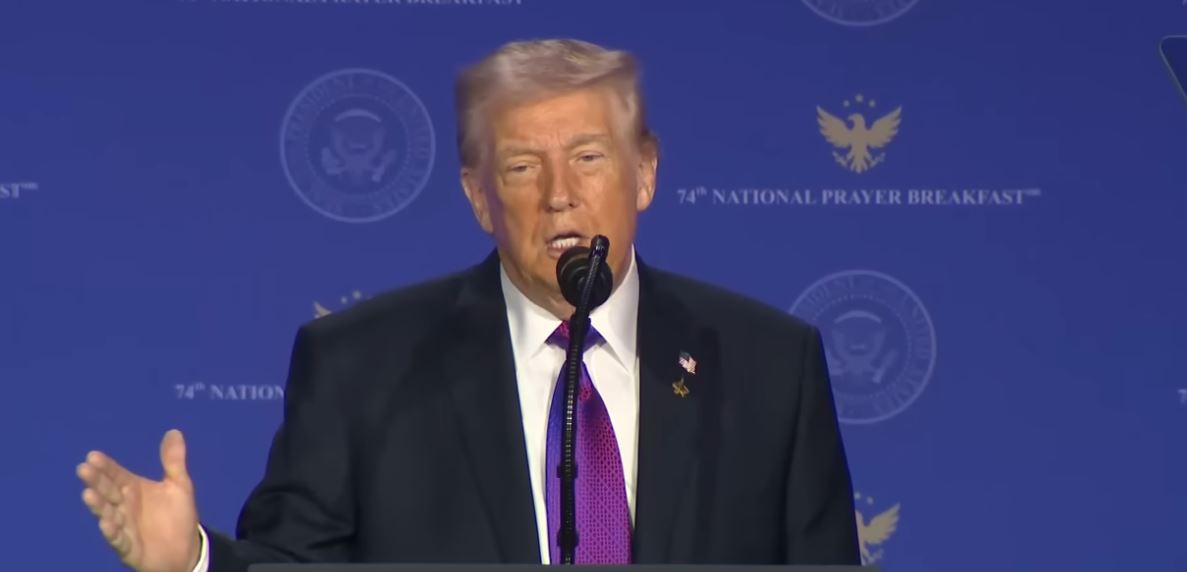
As the search for Nancy Guthrie stretches into another week, President Donald Trump has issued one of the strongest public statements yet regarding her suspected abduction. But as national attention intensifies, some experts are quietly raising a question: Could heightened rhetoric affect an already delicate investigation?
In a phone interview with the New York Post, Trump warned that those responsible for Nancy Guthrie's disappearance would face the "most severe" federal consequences if she is not returned safely. When asked whether that could include the death penalty, the president responded, "The most, yeah - that's true."
The remarks quickly amplified national focus on the case. But do strong warnings help bring resolution - or can they complicate sensitive negotiations behind the scenes?
A Call for Justice - and for Calm?
Trump's comments reflect a firm stance on accountability. In high-profile missing persons cases, presidential attention can sometimes accelerate federal coordination and encourage new tips from the public.
At the same time, former FBI officials speaking to CNN suggested that in cases involving a possible captor, tone can matter.
"You want to cool things down," former FBI special agent Josh Campbell said. "This is the opposite of that, because there is no leverage."
Former FBI crisis negotiator Kyle Vowinkel added that public threats of maximum penalties can sometimes influence the mindset of a suspect if they are monitoring media coverage.
Does stronger rhetoric increase pressure on a suspect? Or could it reduce the chances of voluntary surrender? Investigators have not indicated that communication has been established with any individual.
A Different Appeal From Savannah Guthrie
While political leaders spoke of consequences, Savannah Guthrie took a markedly different approach in a recent Instagram video.
"It's never too late, and you're not lost or alone. And it is never too late to do the right thing," she said, addressing the person who may be holding her mother.
Her message was calm, direct, and deeply personal.
Crisis experts often note that appeals to conscience can be part of a broader strategy - especially when families hope to encourage safe return.
Could compassion succeed where pressure cannot? Or is a combination of both necessary?
Where the Investigation Stands
Authorities have not announced a leading motive or named a suspect in Nancy Guthrie's disappearance. Earlier this week, Pima County Sheriff Chris Nanos confirmed that her family members are not suspects, calling online speculation "wrong" and "cruel."
Investigators continue to analyze key evidence, including a glove found near Guthrie's Tucson-area home that matches one seen on a masked individual captured on surveillance footage. The FBI is currently conducting DNA analysis on the item.
A $100,000 reward remains active.
Despite growing national coverage - and now presidential commentary - law enforcement has not publicly indicated that investigative strategy has changed.
Does National Attention Help or Add Pressure?
High-profile cases often draw widespread attention. That attention can generate crucial tips - but it can also fuel speculation, online theories, and emotional reactions.
Could the added political spotlight bring a breakthrough? Or does it risk distracting from careful investigative work?
For now, officials remain focused on evidence collection and encourage anyone with credible information to come forward.
As Savannah Guthrie continues her heartfelt pleas, many are left asking: In moments like this, what truly brings someone home - pressure, compassion, or patience?
The search continues.


