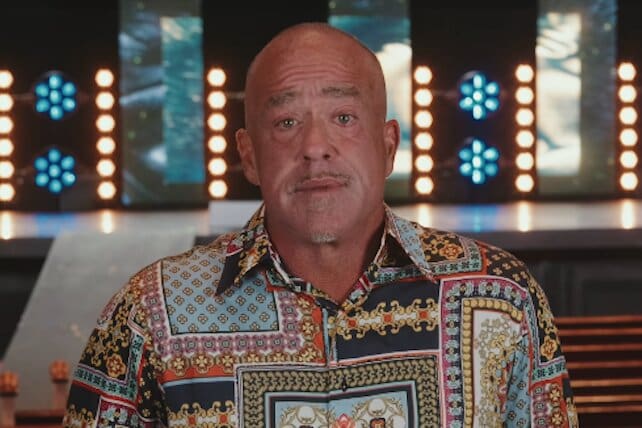
Evangelist Todd White has issued a public apology following months of escalating controversy involving allegations of financial opacity, exaggerated healing testimonies, misuse of authority, and lack of independent accountability within his ministry, Lifestyle Christianity.
In a video statement released this week, White acknowledged that individuals have felt "hurt," "pressured," or "confused" under his leadership and said he takes responsibility for pain experienced by some former members and staff.
"If people have felt unseen or hurt through my leadership, I am deeply sorry," White said. "I take full responsibility for any confusion or pain that may have happened on our journey."
The apology comes amid significant public pressure, including a high-profile call for an independent investigation led by Bible teacher Mike Winger, who has publicly pledged up to $100,000 to fund a third-party review into the ministry's practices.
Critics and former insiders have raised concerns that include:
-
Allegations of embellished or unverifiable healing and fasting claims
-
Questions surrounding financial transparency and donation handling
-
Accusations of excessive personal spending while staff faced financial strain
-
Claims that governance structures lacked sufficient oversight or independent authority
-
Reports of spiritual pressure and unhealthy leadership culture
While none of the allegations have been legally adjudicated in court, they have sparked widespread debate across charismatic and evangelical communities.
White also referenced personal challenges, including his hospitalization for congestive heart failure, stating that rapid ministry expansion and pandemic-era pressures strained leadership systems. He emphasized that mistakes may have been made in zeal and growth, but maintained that the mission of evangelism remains central.
Founded in Texas, Lifestyle Christianity expanded rapidly through viral street ministry videos, global conferences, and its ministry school. White, a former drug addict who converted to Christianity in 2004, built a large international following focused on healing ministry and revival preaching.
Reactions remain divided. Supporters point to White's public repentance and long-standing passion for evangelism. Critics argue that meaningful reconciliation requires an independent financial audit and transparent governance reform.
As scrutiny continues, observers say the ministry's willingness-or refusal-to submit to outside investigation will shape its future credibility.
This story is ongoing, and further developments are expected.


