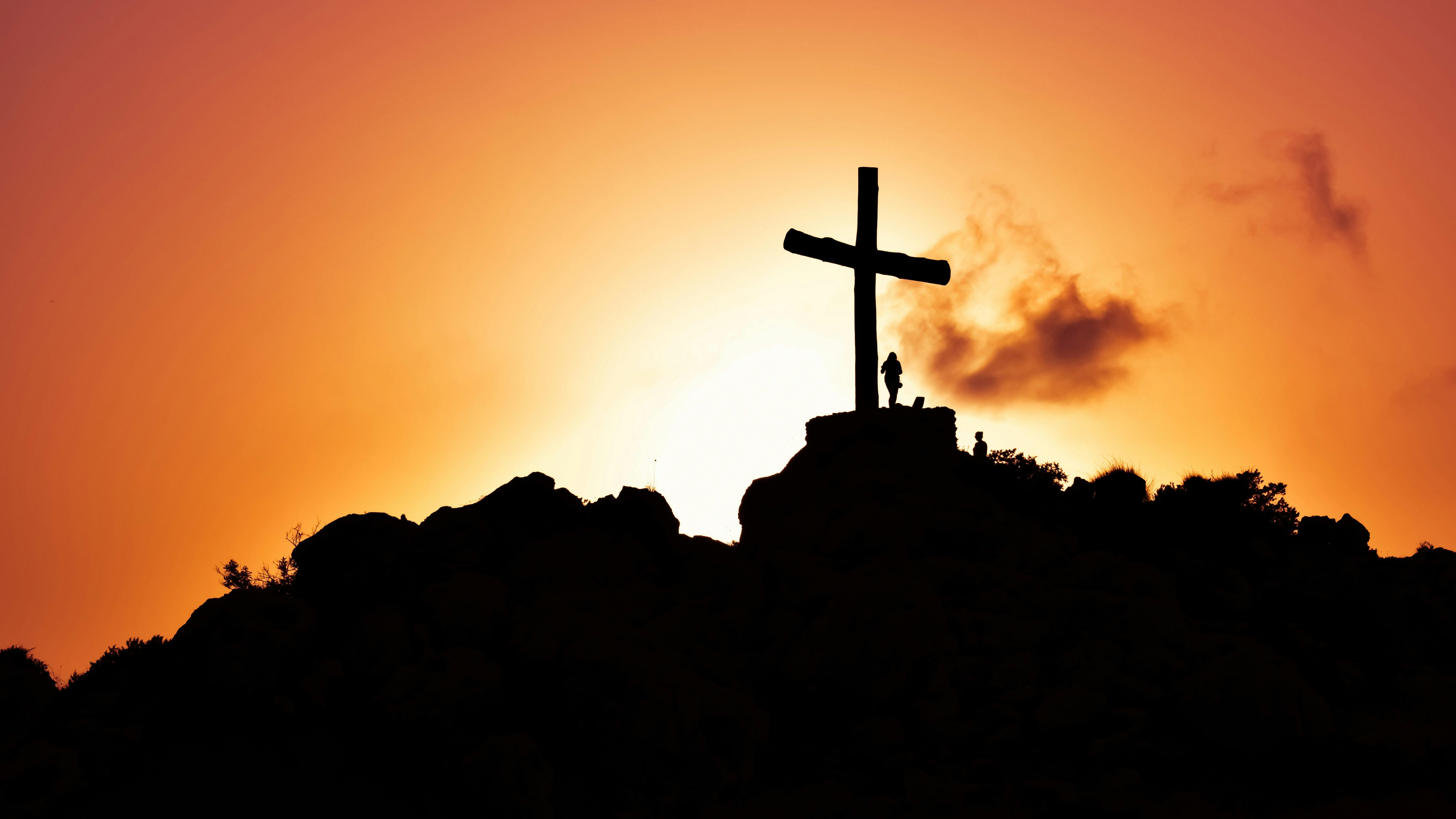
Holy Week is the most sacred week in the Christian calendar - the final seven days of Jesus Christ's earthly ministry before His crucifixion and resurrection. In 2026, Holy Week begins on Palm Sunday, March 29 and concludes on Holy Saturday, April 4, with Easter Sunday falling on April 5, 2026.
Here is everything you need to know about each day and what it represents.
Palm Sunday - March 29
Holy Week opens with the triumphal entry of Jesus into Jerusalem. Crowds lined the streets, waving palm branches and placing them on the road as He rode in on a donkey - fulfilling the prophecy of Zechariah 9:9. It was a moment of public declaration that the King had arrived. Most churches mark this day by distributing palm branches during worship services.
Holy Monday - March 30
Jesus returned to Jerusalem and cleansed the Temple, overturning the tables of the money changers who had turned His Father's house into a marketplace. It is a day that reflects the authority of Christ and His passion for pure,undivided worship.
Holy Tuesday - March 31
Jesus spent much of this day teaching in the Temple, engaging religious leaders and delivering some of His most significant teachings - including the Olivet Discourse, His detailed prophecy about the end times, the destruction of Jerusalem, and His second coming. It is one of the most theologically rich days of the entire week.
Holy Wednesday - April 1
Often called "Spy Wednesday," this is the day tradition holds that Judas Iscariot secretly met with the chief priests and agreed to betray Jesus for thirty pieces of silver. It is a solemn day that invites believers to examine the condition of their own hearts and the true cost of betrayal and redemption.
Maundy Thursday - April 2
One of the most powerful days of Holy Week. Jesus gathered His twelve disciples in the upper room for the Last Supper - instituting Holy Communion and commanding His followers to love one another as He had loved them. He then washed their feet in a breathtaking act of servant leadership. Later that evening, He went to the Garden of Gethsemane to pray before being arrested and handed over to the authorities. Most churches hold special Communion services on Thursday evening to commemorate this night.
Good Friday - April 3
The day Jesus was crucified at Calvary. Despite the weight of its name, Good Friday is the most grief-filled and solemn observance of the Christian year - the moment when Jesus willingly bore the sin of all humanity on the cross. Churches worldwide hold special services, many running from noon to 3 p.m. to correspond with the hours Jesus hung on the cross. It is a day for fasting, reflection, and deep gratitude.
Holy Saturday - April 4
The day of silence. Jesus lay in the tomb and the disciples scattered in fear and grief, with no understanding yet of what Sunday would bring. It is a day that mirrors the human experience of waiting on God in the darkest moments - trusting that the story is not over. Many churches hold Easter Vigil services after sundown, lighting candles in anticipation of the resurrection. This evening, The Ten Commandments also airs on ABC at 7 p.m. ET - a beloved Holy Week tradition for millions of Christian families.
Easter Sunday - April 5
The most joyful day in all of Christianity. Jesus rose from the dead, conquering sin and death once and for all and securing eternal life for all who believe. Churches around the world hold sunrise services, special celebrations, and gatherings that overflow with the declaration: He is risen. Easter Sunday is not merely a holiday - it is the very foundation of the Christian faith. As the Apostle Paul wrote in 1 Corinthians 15:17, without the resurrection, faith itself would be empty.
Whether you are a lifelong believer preparing your heart for the most important week of the year, or someone encountering this story for the first time - Holy Week 2026 is an open invitation to slow down, reflect deeply, and encounter the love that changed the entire course of human history.


