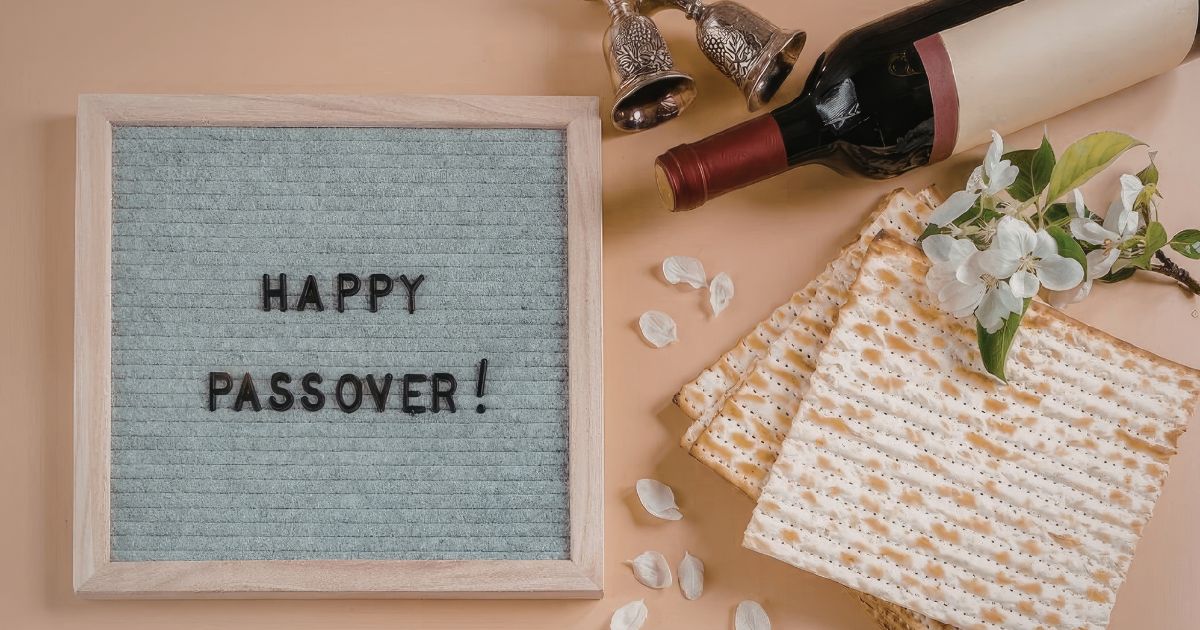
Passover, also known as Pesach, is one of the most important and widely observed Jewish holidays, commemorating the liberation of the Israelites from slavery in ancient Egypt. In 2026, the holiday carries its usual deep spiritual meaning while also serving as a time for families and communities to gather, reflect, and retell one of the most powerful stories in Jewish history.
Understanding the Passover Guide 2026 means more than just knowing the dates-it's about appreciating the traditions, symbols, and significance that have been passed down for thousands of years. Whether you're observing for the first time or simply seeking to understand the holiday better, this guide breaks down everything you need to know in a clear and meaningful way.
When Is Passover 2026?
Passover in 2026 begins on the evening of Wednesday, April 1, 2026, and continues until Thursday, April 9, 2026, depending on tradition and location. In Israel and many Reform Jewish communities, the holiday is observed for seven days, while in other communities it is celebrated for eight days.
The holiday follows the Hebrew calendar, which is based on lunar cycles. This means the dates shift each year on the Gregorian calendar, usually falling in late March or early April.
Passover always begins on the 15th day of the Hebrew month of Nisan, starting at sunset, which is why Jewish holidays traditionally begin in the evening rather than at midnight or sunrise.
What Does Passover Celebrate?
At its core, Passover celebrates the story of the Exodus, when the Israelites were freed from slavery in Egypt over 3,000 years ago. The name "Passover" comes from the biblical moment when God "passed over" the homes of the Israelites during the final plague, sparing their firstborn children.
This story is found in the Book of Exodus and remains central to Jewish identity and faith. It represents not just historical liberation, but also a timeless message of freedom, hope, and redemption.
Rabbi Jonathan Sacks once explained that Passover is not only about remembering the past, but about experiencing it in a personal way. The holiday invites each generation to see themselves as part of the journey from slavery to freedom.
The Passover Seder: The Heart of the Celebration
The most important ritual of Passover is the Seder, a ceremonial meal held on the first night (and sometimes the second night) of the holiday.
During the Seder, participants read from a book called the Haggadah, which guides them through the story of the Exodus while explaining the symbolism of the foods and traditions.
Key elements of the Seder include:
- Matzah (unleavened bread): Symbolizes the bread the Israelites ate when fleeing Egypt, as they did not have time to let it rise
- Four cups of wine: Represent different stages of redemption
- Bitter herbs (maror): Remind participants of the hardships of slavery
- Haroset: A sweet mixture symbolizing the mortar used by enslaved Israelites
- The Afikoman: A hidden piece of matzah, often used as a fun search game for children
The Seder is both educational and symbolic, blending storytelling with ritual in a way that makes the past feel present.
What Is "Chametz" and Why Is It Avoided?
One of the most important rules during Passover is the prohibition of chametz, which refers to leavened food made from wheat, barley, oats, spelt, or rye that has risen.
During Passover:
- Bread, pasta, and many baked goods are avoided
- Homes are thoroughly cleaned to remove all chametz
- Some families use separate dishes and cookware
This practice symbolizes a fresh start-removing leavened bread is often seen as removing pride or excess, making space for humility and reflection.
There is also a category known as kitniyot (foods like rice, corn, and legumes), which some Jewish traditions avoid, while others permit them. Observance can vary depending on cultural and religious background.
Preparing for Passover
Preparation for Passover is both practical and spiritual. Many families spend days cleaning their homes to ensure that no chametz remains. This includes:
- Cleaning kitchens thoroughly
- Removing or storing away forbidden foods
- "Kashering" dishes (making them suitable for Passover use)
Some households even maintain a separate set of dishes specifically for Passover. This level of preparation emphasizes discipline, intention, and mindfulness before the holiday begins.
How to Wish Someone a Happy Passover
If you're greeting someone during Passover, there are several respectful and traditional ways to do so:
- "Happy Passover"
- "Chag Sameach" (Happy holiday)
- "Chag Pesach Sameach" (Happy Passover)
- "Gut Yontif" (Good holiday in Yiddish)
These greetings reflect joy, celebration, and shared connection during the holiday.
Passover's Deeper Meaning Today
While Passover is rooted in ancient history, its message continues to resonate in modern times. The themes of freedom, justice, and compassion are central to the holiday and often inspire conversations about social responsibility.
During the Seder, many participants reflect not only on the Exodus story, but also on people today who still face hardship or oppression. This connection between past and present gives Passover a broader relevance that extends beyond religion into shared human values.
For many, it becomes a reminder that freedom is not just something remembered-but something that must be preserved, protected, and extended to others.
A Reflection of Faith and Meaning
Although Passover is a Jewish holiday, its themes echo across different faith traditions. The ideas of deliverance, faith, and trust in a higher purpose connect deeply with broader spiritual reflections.
In a world filled with uncertainty, holidays like Passover offer a moment to pause and consider what it means to move from struggle toward hope. It's a story of resilience, but also a reminder of gratitude-an invitation to reflect on freedom in both a physical and spiritual sense.
Final Thoughts
The Passover Guide 2026 is not just about dates or traditions-it's about understanding a story that has shaped generations. From the Seder table to the symbolism of matzah and wine, every element carries meaning that speaks to both history and identity.
As families gather this year, Passover continues to serve as a bridge between past and present, tradition and reflection. It reminds us that even in difficult times, stories of freedom and faith can still guide the way forward.


![Majesty (Here I Am) [Official Live Session] --- Stu Garrard & Darlene Zschech](https://jubileecast-29b4.kxcdn.com/data/videos/thumbnail/1147/majesty-here-i-am-official-live-session-stu-garrard-darlene-zschech.jpg?w=436&h=265&l=50&t=10)


