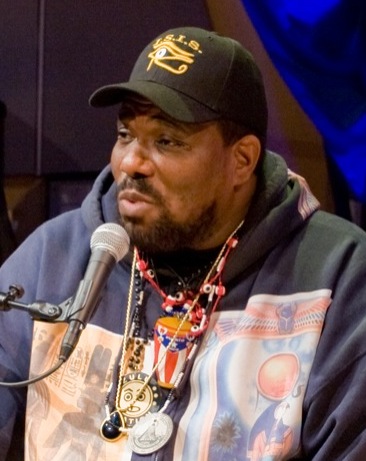
Hip-hop pioneer Afrika Bambaataa has died at the age of 67, marking the end of a life that helped shape modern music while leaving behind a legacy many continue to wrestle with. Reports confirm that the Bronx-born DJ and producer passed away due to complications from cancer in Philadelphia.
Widely recognized as one of the "godfathers of hip-hop," Bambaataa played a key role in transforming the genre from local block parties into a global cultural movement. In the 1970s, he moved away from gang life and founded the Universal Zulu Nation, encouraging young people to pursue music, dance, and art instead of violence. His message of peace, unity, and creativity became foundational to early hip-hop culture.
Musically, Bambaataa broke new ground with his 1982 hit "Planet Rock," a genre-defining track that fused hip-hop with electronic sounds inspired by European group Kraftwerk. The song not only became a major success but also helped establish electro-funk as a new direction for the genre. He later contributed to social causes, including the anti-apartheid project "Sun City," alongside major global artists.
However, his legacy remains deeply complicated. Beginning in 2016, Bambaataa faced multiple allegations of child sexual abuse, which he denied. In 2025, a civil case resulted in a default judgment against him after he failed to appear in court. These developments led to his separation from the Zulu Nation and sparked ongoing conversations within the hip-hop community about accountability.
As tributes and reflections emerge, Bambaataa's story stands as both a testament to music's power to inspire change and a reminder that true legacy involves both influence and integrity-a tension that continues to shape how he will be remembered.


![Majesty (Here I Am) [Official Live Session] --- Stu Garrard & Darlene Zschech](https://jubileecast-29b4.kxcdn.com/data/videos/thumbnail/1147/majesty-here-i-am-official-live-session-stu-garrard-darlene-zschech.jpg?w=436&h=265&l=50&t=10)


