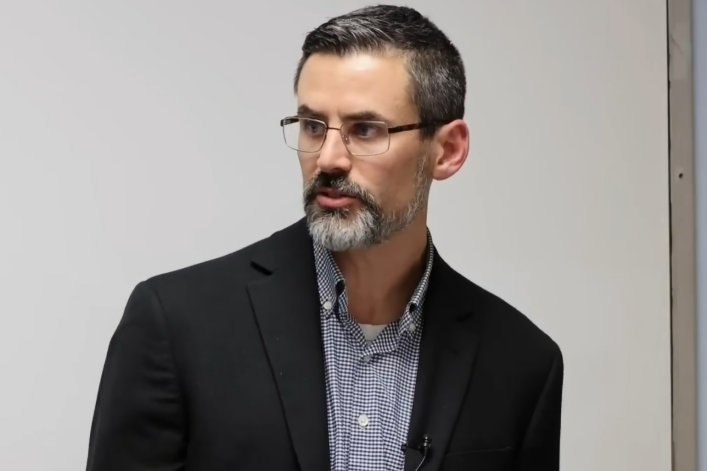
The indefinite suspension of Pastor Zachary Garris by the Rio Grande Presbytery of the Presbyterian Church in America (PCA) has ignited widespread discussion across Reformed circles regarding pastoral conduct, social media engagement, and ecclesiastical discipline.
Garris, pastor of Bryce Avenue Presbyterian Church in White Rock, New Mexico, was found guilty of a charge related to "unwholesome speech" stemming from a series of exchanges on X with theologian and religion professor Anthony Bradley. The disciplinary action was announced following a trial conducted by the Rio Grande Presbytery, which reportedly acquitted Garris of a separate charge concerning comments on slavery made in 2024.
According to reports shared by PCA minister Sean McGowan, the presbytery determined that Garris violated the biblical standard of speech outlined in Ephesians 4:29. Screenshots circulated online indicate that the case centered on comments Garris made during a public disagreement with Bradley in 2023. Among the statements cited were remarks criticizing Bradley's arguments and accusing him of arrogance during a theological exchange.
The decision has generated significant reaction among pastors, theologians, and church leaders. Supporters of Garris have questioned both the severity of the punishment and the procedures employed during the trial. McGowan described the outcome as a "travesty of justice," arguing that evidence and witness testimony were insufficient to sustain the charge. Others have characterized the suspension as an example of excessive disciplinary action for what they view as relatively mild social media comments.
Critics of the ruling have also expressed concern about the implications for public theological debate within the church. Some contend that robust disagreement has long been part of Christian discourse and worry that disciplinary measures based on online exchanges could create uncertainty regarding the boundaries of acceptable criticism among ministers.
At the same time, the case highlights growing concerns among church leaders about the tone and nature of online communication. As social media increasingly serves as a platform for theological discussion, denominations continue to wrestle with how biblical standards for speech should be applied in digital contexts. The charge against Garris was rooted in the apostle Paul's exhortation that speech should be used for edification and grace rather than harm, a principle that many churches are seeking to apply to modern forms of communication.
Garris, who holds a Master of Divinity from Reformed Theological Seminary and is also a trained attorney, has not issued a public statement regarding the suspension beyond reposting reports of the decision. The Rio Grande Presbytery has likewise not publicly provided detailed explanations concerning the duration of the suspension or the process by which restoration might occur.
The controversy is likely to remain a topic of discussion throughout the PCA and broader evangelical community as church leaders continue to consider the challenges of maintaining biblical accountability while fostering open theological dialogue in the digital age.


![At The Meeting (Live) [Official Lyric Video] --- Kelontae Gavin](https://jubileecast-29b4.kxcdn.com/data/videos/thumbnail/1227/at-the-meeting-live-official-lyric-video-kelontae-gavin.jpg?w=436&h=265&l=50&t=10)


