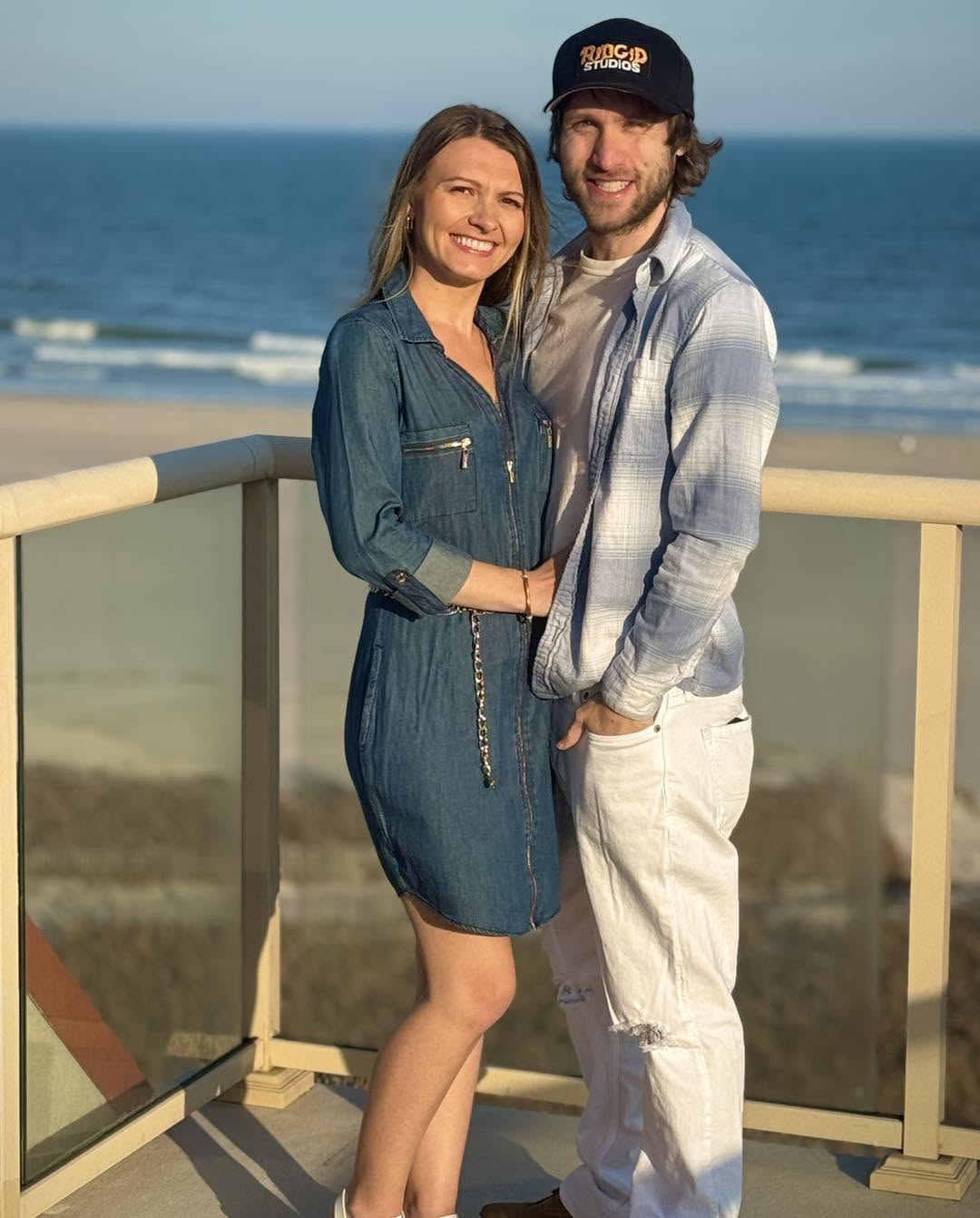
Popular YouTuber Jesse Ridgway and his wife Ashley are continuing to defend their decision to abort their unborn child after receiving a prenatal diagnosis of Down syndrome, arguing that they hope to encourage other parents facing similar circumstances to speak openly about their choices.
The social media influencers addressed the controversy during recent interviews with TMZ Live and Page Six, saying they have no regrets about sharing their experience publicly despite widespread criticism from pro-life advocates, disability-rights supporters, and religious groups.
Ashley Ridgway said she hopes to become a voice for women who find themselves facing difficult prenatal diagnoses.
"I just want to be that voice for them to say, you know, it's scary out there, but like the more that we put ourselves out there and say that this is a normal thing that we could talk about," she said. "I just want to help them in any way that I can."
The couple's announcement sparked intense debate online after Jesse Ridgway revealed earlier this month that they had chosen to terminate the pregnancy following confirmation that their baby had Down syndrome. He described the experience as "extremely traumatic," particularly for his wife.
Speaking to TMZ Live, Ridgway said the backlash has become so severe that he has altered aspects of his personal security.
"Just how hateful it's become has definitely caused a shift in our vulnerability," he said, noting that he now keeps a firearm near his bed and has installed a security gate at his home. He also claimed that some critics had told the couple they would "burn in Hell" because of their decision.
In a lengthy social media statement posted after the abortion, Ridgway detailed the emotional toll the situation has taken on his wife and accused members of her family of abandoning her during what he described as the most difficult period of her life.
"My wife's heart has been shattered since the amniocentesis results," Ridgway wrote. "These last couple weeks have been the hardest of her life."
According to Ridgway, while his own parents offered support and encouragement, some members of Ashley's family publicly criticized the couple's decision and accused him of manipulating or controlling his wife. He claimed relatives sent messages urging Ashley to leave him and alleged that family members engaged in gossip and public criticism while she was grieving.
"We've put up with a lot of things, but when it's your own family exercising their bitterness and turning their backs when it matters the most, it really reveals everything about their character," Ridgway said.
The influencer also criticized friends who publicly condemned the abortion, arguing that some would have made the same decision under similar circumstances.
"My wife is the sweetest and strongest woman I know," he wrote. "The last thing she deserves is to be treated this way."
Ridgway further expressed sympathy for women who choose to keep abortions private because of fear of judgment from relatives and friends.
"My heart goes out to all of the women who have had to keep their abortions private for fear of judgment from friends and family," he said. "It's the last thing you should be dealing with when you're already confronting the hardest and worst of times."
Despite the criticism, Ridgway maintained that sharing their story is helping others and fostering discussion around prenatal diagnoses and abortion.
In an interview with Page Six, the YouTube creator explained that one of the factors influencing his decision was the possibility that he might outlive his child.
"I realized that more than likely, I will have to bury my son," Ridgway said. "That is not what I wanted to sign up for."
The influencer also argued that he had not fully understood the medical realities associated with Down syndrome before receiving the diagnosis. In social media posts, Ridgway cited potential health complications, developmental delays, and lifelong support needs as reasons behind the couple's decision.
"Down syndrome isn't a blessing," he wrote. "It is objectively terrible from a health perspective."
The announcement has prompted strong responses from pro-life organizations and advocates for people with disabilities.
Kristan Hawkins, president of Students for Life of America and Students for Life Action, criticized the decision, arguing that disability does not diminish a person's value.
"To every person who is reading and has Down syndrome, cystic fibrosis or another potentially fatal genetic disability, I hope you know your life has just as much value as anyone else," Hawkins wrote. "Yes, your life will be physically harder, but life is always worth living."
Pro-life advocate Sarah St. Onge, who carried her daughter to term after receiving a lethal fetal diagnosis, also expressed concern about the broader cultural implications of selective abortion.
"When something like this becomes socially acceptable, it often evolves into a social obligation," she told The Christian Post, warning that families may increasingly feel pressured to terminate pregnancies involving disabilities or serious medical conditions.
The debate has also drawn attention to abortion rates following prenatal diagnoses of Down syndrome. Studies have suggested that a significant percentage of pregnancies involving a Down syndrome diagnosis end in abortion, leading disability-rights advocates to raise concerns about the message such decisions send regarding the value of people living with disabilities.
The Ridgways' story continues to generate discussion across social media, highlighting ongoing ethical, medical, and religious debates surrounding prenatal testing, disability, parental responsibility, abortion, and the value of human life.


