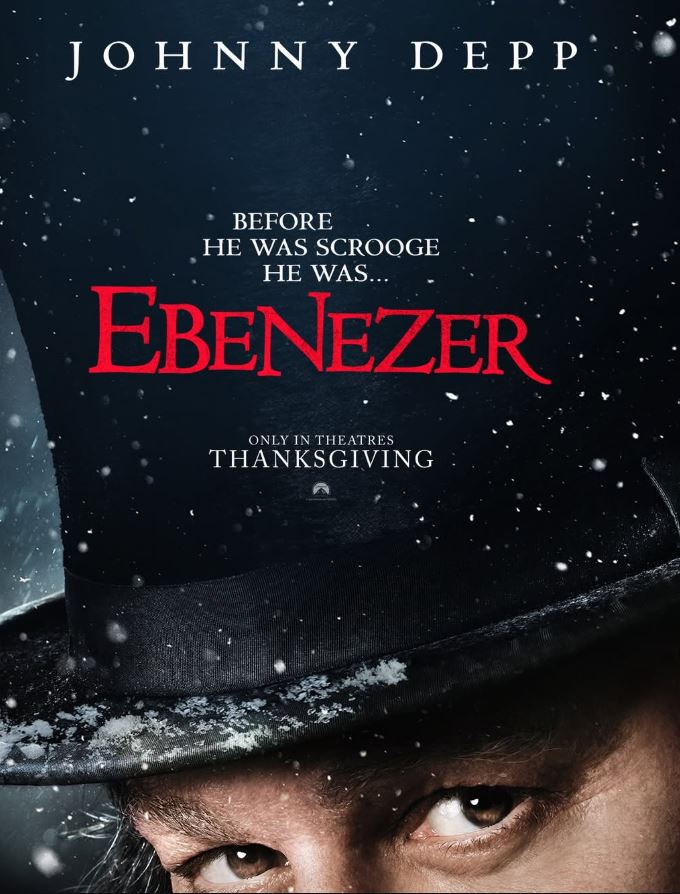
Johnny Depp's Ebenezer is billed as a "considerably spookier" take on A Christmas Carol - but the ghost story audiences will see in theaters November 13 was never really about ghosts. It was about conversion. Here's what's often left out of the trailers.
1. Dickens wrote himself into the story's poverty. His father was imprisoned for debt, and Dickens was sent to work in a factory at age twelve - the same hardship that fuels Scrooge's confrontation with the Cratchit family's struggle.
2. Marley's death isn't just a plot device. Scholars have pointed out that Scrooge's redemption only becomes possible after Marley's death, paralleling the Christian belief that redemption itself begins with death and resurrection.
3. Dickens meant it. He once wrote that "all my strongest illustrations are derived from the New Testament," and described his own virtuous characters as "disciples of the Founder of our religion."
4. The five "chapters" are named like a hymn. Dickens called them "staves," a nod to the story's musical, carol-like structure - reinforcing that this was designed as a kind of moral song, not just prose.
5. This story invented half of modern Christmas. Dickens' descriptions of feasting and family unity in the novella are credited with reviving Christmas traditions still practiced today.
Nearly 200 years later, Ti West's new adaptation - starring Depp opposite Ian McKellen, Andrea Riseborough, Daisy Ridley, Rupert Grint, and Sam Claflin - is set to bring that same message back to theaters: transformation is always possible, no matter how far gone someone seems.
Related Articles: [Johnny Depp Debuts "Ebenezer" Trailer at Comic-Con] / [Johnny Depp's Ebenezer Comic-Con Stunt]


