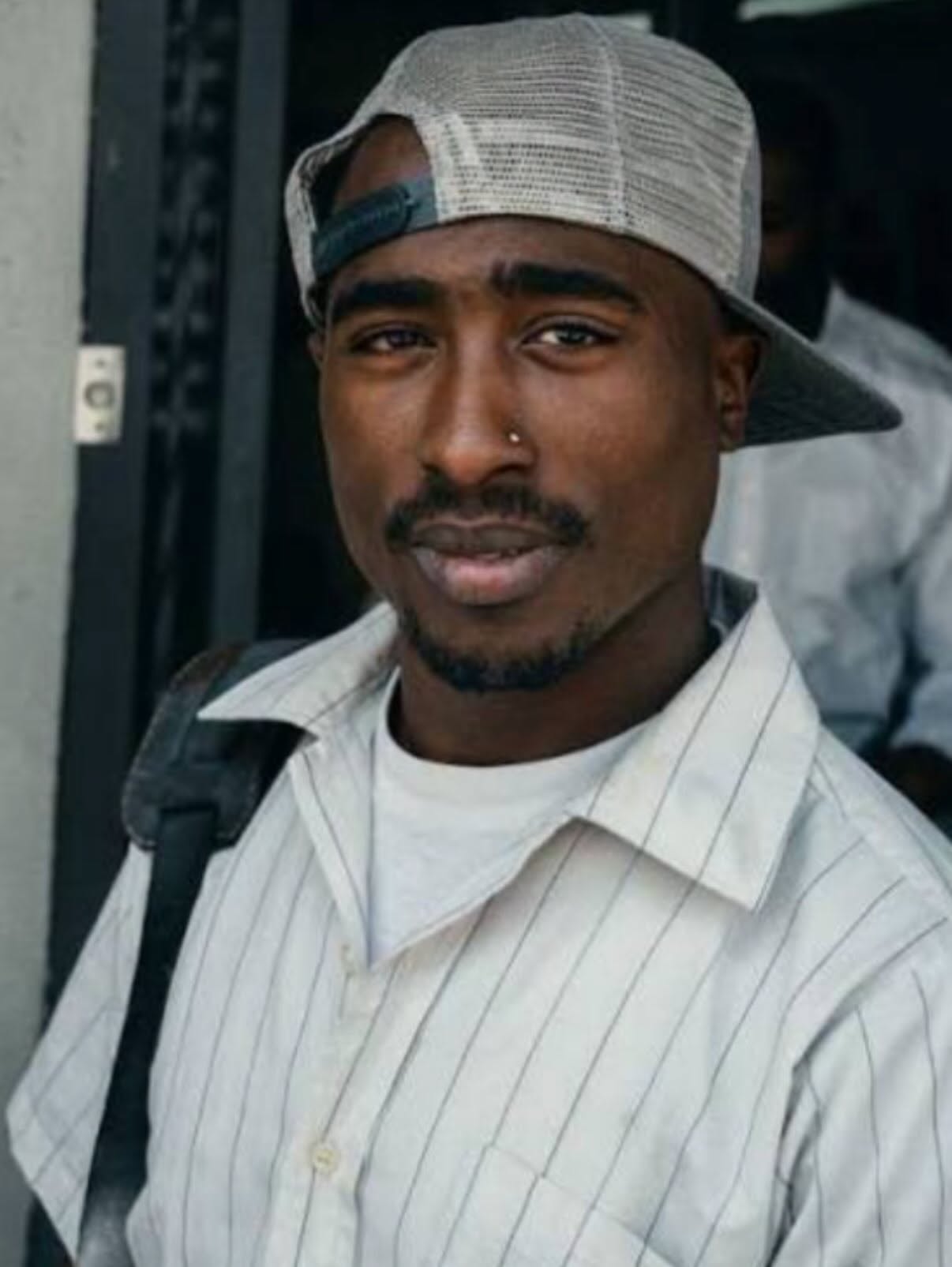
Nearly 30 years after Tupac Shakur's murder stunned the music world, the long-running mystery is heading toward one of its most dramatic chapters yet - and prosecutors may have received some of their strongest ammunition from the accused man himself.
Duane "Keffe D" Davis, the former gang leader charged in connection with Tupac's 1996 killing, is preparing to stand trial, and a memoir he co-wrote years before his arrest is expected to take center stage in the prosecution's case. Davis faces one count of murder with a deadly weapon with intent to promote, further or assist a criminal gang.
And here's the jaw-dropping part: prosecutors believe Davis may have essentially talked himself into the courtroom.
His 2019 memoir, Compton Street Legend: Notorious Keffe D's Street-Level Accounts of Tupac and Biggie Murders, Death Row Origins, Suge Knight, Puffy Combs, and Crooked Cops, contains Davis' own account of the events surrounding the Las Vegas shooting that ultimately claimed Tupac's life. Prosecutors are expected to lean heavily on statements from the book as they attempt to prove their case.
Clark County Chief Deputy District Attorney Marc DiGiacomo has previously suggested that without the memoir, Davis might never have been prosecuted at all. Meanwhile, Davis' defense is fighting back, arguing that portions of the book were fictionalized for profit and questioning exactly how much of the text Davis personally wrote.
The memoir doesn't exactly shy away from the chaos of Sept. 7, 1996.
Davis has publicly acknowledged being inside the vehicle that pulled alongside Tupac and Death Row Records boss Marion "Suge" Knight at a Las Vegas red light before shots were fired. Prosecutors allege Davis orchestrated the killing. Tupac, just 25 years old, died six days later.
According to the book, Davis claimed the confrontation escalated after he believed Tupac was reaching beneath his seat for a weapon. He then described someone in the back seat of Davis' vehicle opening fire. Authorities, however, have said no gun was recovered from Tupac and Knight's vehicle.
The alleged motive takes the story even deeper into the infamous East Coast-West Coast era.
Davis has claimed Tupac's killing followed an earlier altercation involving his nephew, Orlando Anderson. Tupac and members of his entourage had been involved in a confrontation with Anderson earlier that night. Anderson, who had long been suspected by some investigators of being the shooter, died in 1998.
But Davis' legal team has been trying to keep some of his most damaging statements away from jurors.
His attorney, Michael Sanft, argued that the memoir contained hearsay, was sensationalized to make money and may have included material written by Davis' co-author. Judge Carli Kierny rejected that argument, ruling that Davis had effectively adopted the statements in the book as his own after repeatedly presenting the memoir publicly as truthful.
There is another potentially explosive layer to the case: statements Davis made to law enforcement in 2008 and 2009.
The defense argued those comments were made under an understanding that Davis would not be prosecuted based on what he disclosed. Prosecutors countered that Davis later opened the door to their use by discussing the murder publicly in his memoir and interviews. Kierny ultimately ruled that Davis' 2008 police interview can be used at trial.
And the witness list reads like something straight out of a hip-hop true-crime documentary.
Suge Knight - who was sitting beside Tupac and was wounded during the 1996 shooting - has been named as a potential witness. Knight is currently serving a lengthy prison sentence following his manslaughter conviction in an unrelated case. Nevada Gov. Joe Lombardo, members of Tupac's family and documentary filmmakers are also reportedly among those listed as potential witnesses.
For decades, Tupac's murder has generated theories, documentaries, books and endless speculation. Now, one of the strangest twists may be that a book marketed as an insider's account of hip-hop's darkest mysteries could help prosecutors decide the fate of the man who helped write it.
The question hanging over the trial is irresistible: Did Keffe D's years of talking about Tupac's murder finally come back to haunt him?


