Skywatchers have three reasons to look up today, August 12, as a rare six-planet alignment, the year's only total solar eclipse, and the peak of the Perseid meteor shower all converge within roughly 24 hours.
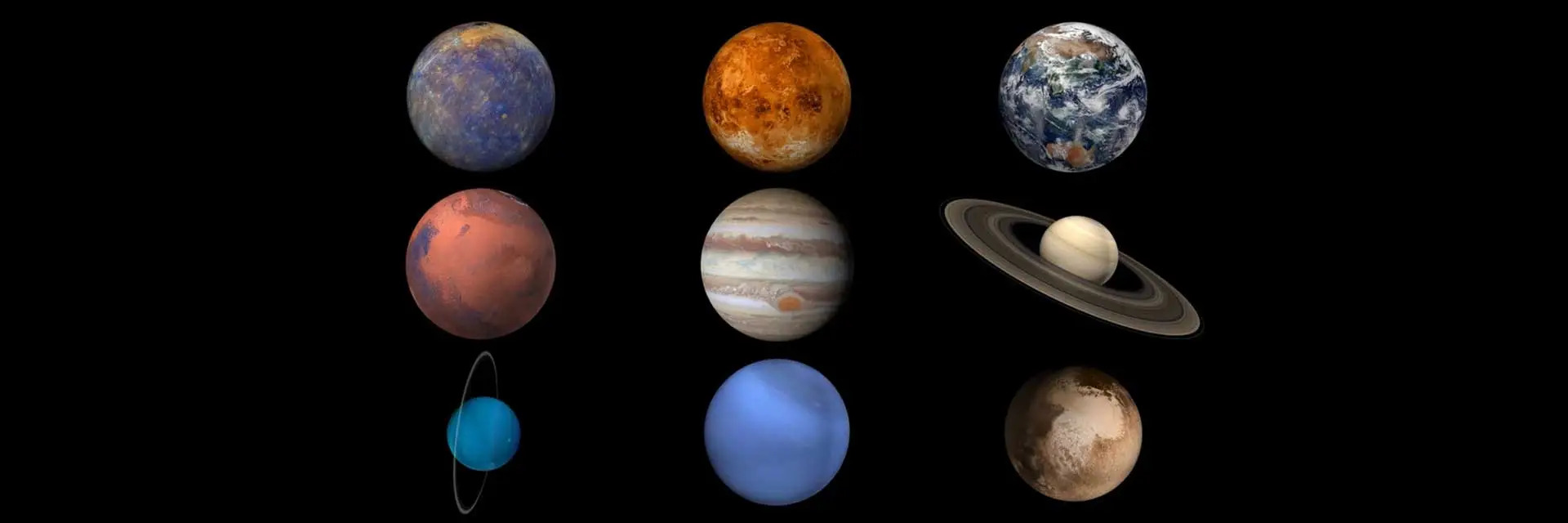
Before sunrise, six planets - Jupiter, Mercury, Mars, Uranus, Saturn, and Neptune - will stretch in a wide arc across the eastern sky. Mars and Saturn will be the easiest to spot with the naked eye, while Mercury and Jupiter sit low near the horizon and require a clear view east. Uranus needs binoculars, and Neptune will only show up through a telescope. In the Northern Hemisphere, the best viewing window falls roughly 30 to 60 minutes before local sunrise.
Later in the day, a total solar eclipse will sweep across the Arctic, Greenland, Iceland, and northern Spain - the first total eclipse visible from mainland Europe since 1999. Most of Europe, including London and Paris, will see a partial eclipse of 90 percent or more, and parts of northern Canada and the U.S. will catch a partial view as well.
Then after dark, the Perseid meteor shower reaches its peak overnight into August 13, coinciding with a new moon that clears the sky of moonlight for what NASA-linked forecasters call some of the best Perseid conditions in years, with up to 100 meteors an hour possible under dark skies.
It's a rare day when three separate celestial events line up this closely - and for many believers, moments like this echo the words of Psalm 19:1: "The heavens declare the glory of God; the skies proclaim the work of his hands." Whether it's one planet or all six that make it through the clouds tonight, it's a reminder to look up.
Related Article: Perseid Meteor Shower Tonight: Is It Visible, and Which Way Should You Look?


