Following up on our last list, here are five more true stories behind the songs and hymn writers that shaped Christian music.
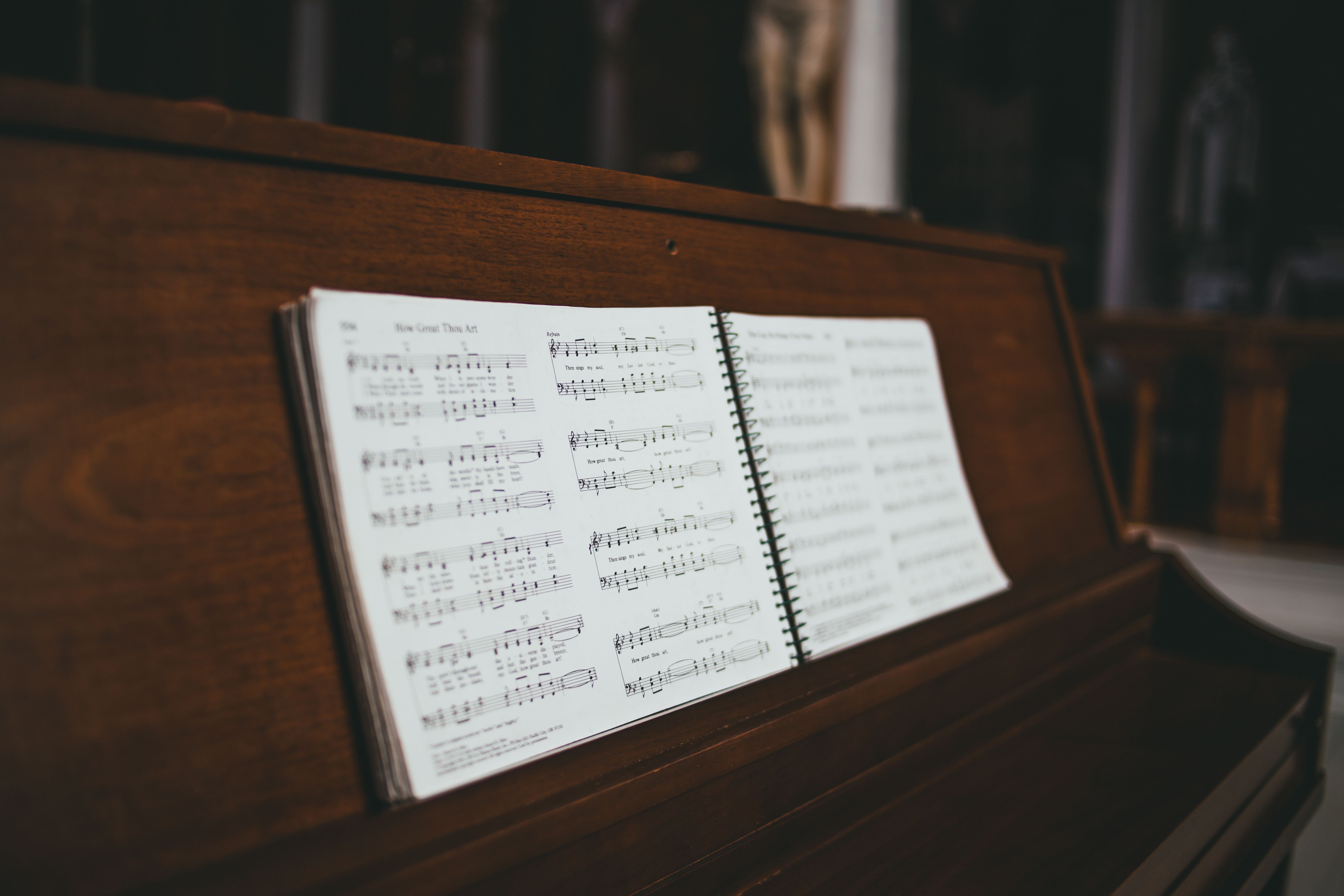
1. "How Great Thou Art" started as a Swedish poem about a thunderstorm. In 1885, Swedish preacher Carl Boberg was caught in a violent storm on his way home from church. When the skies cleared and he heard church bells ringing over a quiet bay, he wrote the poem "O Store Gud." It passed through German and Russian translations before missionary Stuart Hine finally translated it into the English hymn known today - more than 60 years later.
2. One woman wrote as many as 9,000 hymns while completely blind. Fanny Crosby lost her sight at six weeks old due to a medical mistake, but went on to become one of the most prolific hymn writers in history. She wrote "Blessed Assurance" and "To God Be the Glory" under her own name - and roughly 200 pseudonyms, so publishers wouldn't notice how many of her songs were filling the hymnals at once.
3. "Silent Night" was written for guitar because the church organ broke. According to longstanding tradition in Oberndorf, Austria, mice had chewed through the church organ's bellows just before Christmas Eve 1818, forcing priest Joseph Mohr and organist Franz Gruber to set Mohr's two-year-old poem to a simple guitar melody instead. (Some historians dispute the mice detail, but the organ trouble and guitar arrangement are well documented.)
4. Handel wrote all of "Messiah" - including the "Hallelujah" chorus - in just 24 days. Working almost nonstop and reportedly skipping meals and sleep, Handel completed the entire 260-page oratorio between August 22 and September 14, 1741. He later said of the experience, "I did think I did see all heaven before me, and the great God himself."
5. The famous "Hallelujah" standing tradition may not be about what you think. Legend says King George II stood up during the London premiere of "Messiah," and the audience has stood for the chorus ever since. But historians aren't actually sure why he stood - or if he even did. No official record from the 1743 performance confirms it.
From a storm-inspired poem to a rushed masterpiece written in three weeks, these songs prove that some of the most enduring music in the church came out of the most unexpected circumstances.


