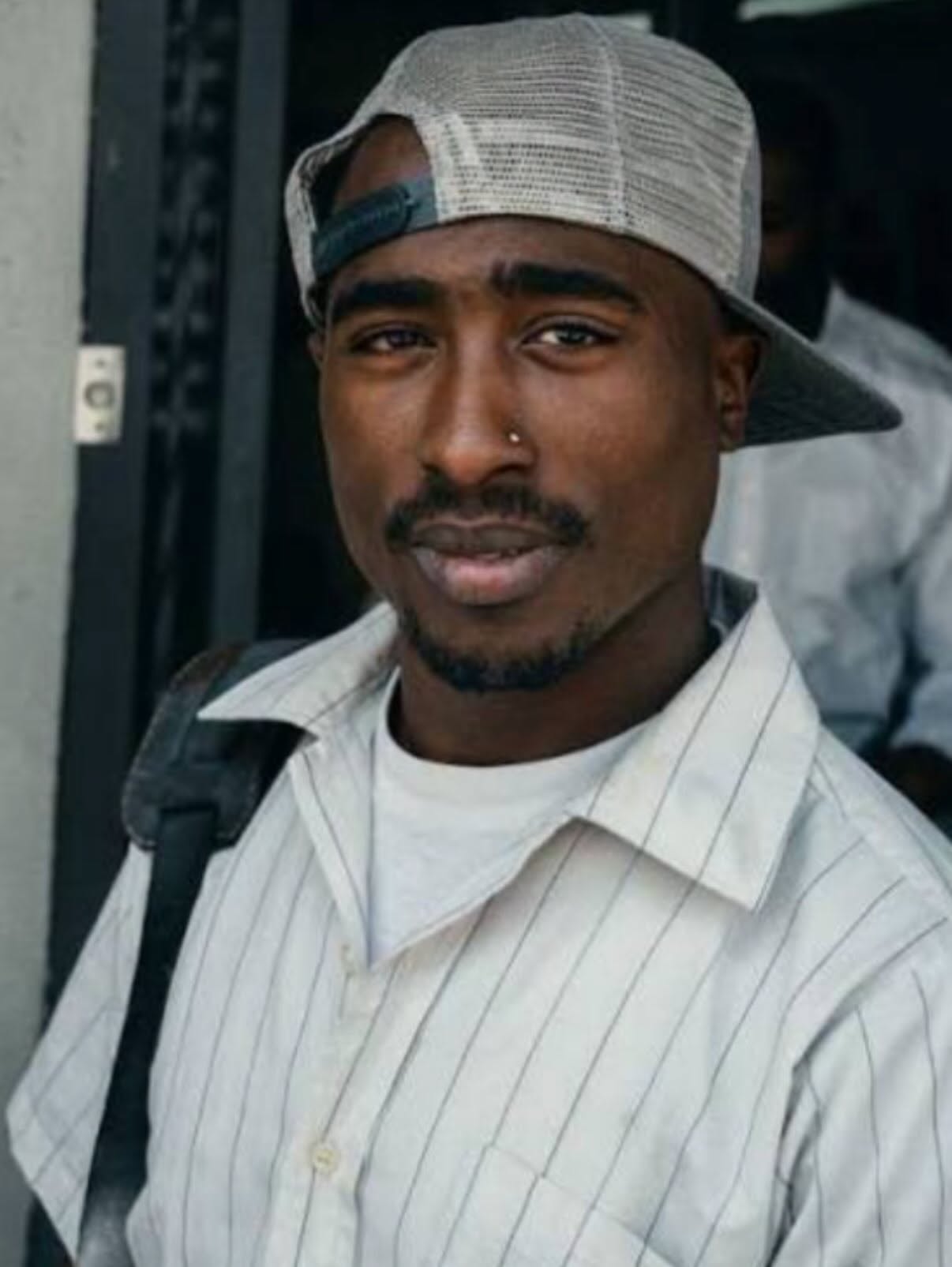
Nearly 30 years after Tupac Shakur was gunned down in Las Vegas, a police officer who rode in the ambulance with the dying rapper has revealed what happened when he desperately tried to get Tupac to name his attackers.
And Tupac apparently wasn't talking.
Former Las Vegas Metropolitan Police officer Garry Dale took the witness stand as the long-awaited murder trial of Duane "Keffe D" Davis got underway in Las Vegas. Dale testified that after Tupac was shot on September 7, 1996, he climbed into the ambulance and repeatedly tried to get information from the critically wounded 25-year-old rapper.
According to Dale, Tupac's response was essentially: "No, we'll take care of it." The testimony offers a remarkable glimpse into the chaotic minutes following one of the most infamous shootings in music history.
Dale's involvement that night actually began shortly before the shooting. He testified that he and another officer had stopped the BMW carrying Tupac and Death Row Records boss Marion "Suge" Knight because it did not have a visible license plate. The interaction was reportedly cordial, and they were allowed to continue on their way. Roughly 10 minutes later, Dale responded to the shooting.
Tupac had been riding with Knight after attending the Mike Tyson fight at the MGM Grand when a white Cadillac pulled alongside their BMW and gunfire erupted. Tupac was struck four times. He died six days later, on September 13, 1996.
But what happened earlier that evening is now at the center of prosecutors' case.
Surveillance footage showed Tupac and members of his entourage involved in an assault on Orlando "Baby Lane" Anderson, the nephew of Davis, inside the MGM Grand. Prosecutors allege that beating supplied the motive for a retaliatory attack later that night.
Davis, now 63, is not accused of actually firing the shots. Prosecutors instead allege that he orchestrated the attack, obtained or supplied the weapon and participated in the retaliatory plan. He was allegedly riding in the Cadillac from which the shots were fired. Davis has pleaded not guilty.
The prosecution has one unusual weapon in its case: Davis' own words.
Over the years, Davis publicly discussed the Tupac killing in interviews and in his 2019 memoir, Compton Street Legend. Prosecutors contend those statements helped revive a case that had remained unsolved for decades. His defense, however, argues that Davis exaggerated and fabricated stories about his involvement to gain attention and sell his story.
That sets up one of the strangest murder trials in celebrity history: prosecutors are effectively asking jurors to believe things Davis himself publicly said, while his own attorneys are arguing that their client was an unreliable storyteller.
The proceedings have already become emotional for Tupac's family. Some relatives reportedly left the courtroom when graphic autopsy photographs were displayed, while others remained. Jurors were also shown MGM Grand surveillance footage from the confrontation involving Anderson hours before the shooting.
Davis remains the only person ever charged in connection with Tupac's killing. Prosecutors have alleged that Anderson was the gunman, although Anderson was never charged and was killed in an unrelated shooting in 1998. The other men alleged to have been in the Cadillac are also dead.
That leaves Davis as the lone defendant in a courtroom attempting to answer questions hip-hop fans have debated since 1996.
And Dale's ambulance testimony adds an eerie new detail to the story. Tupac was alive, conscious enough to respond and sitting beside a police officer asking the question millions would later ask: Who shot Tupac?
According to Dale, Tupac chose not to give police the answer.
Three decades later, a Las Vegas jury is finally being asked to decide whether prosecutors have found it.


