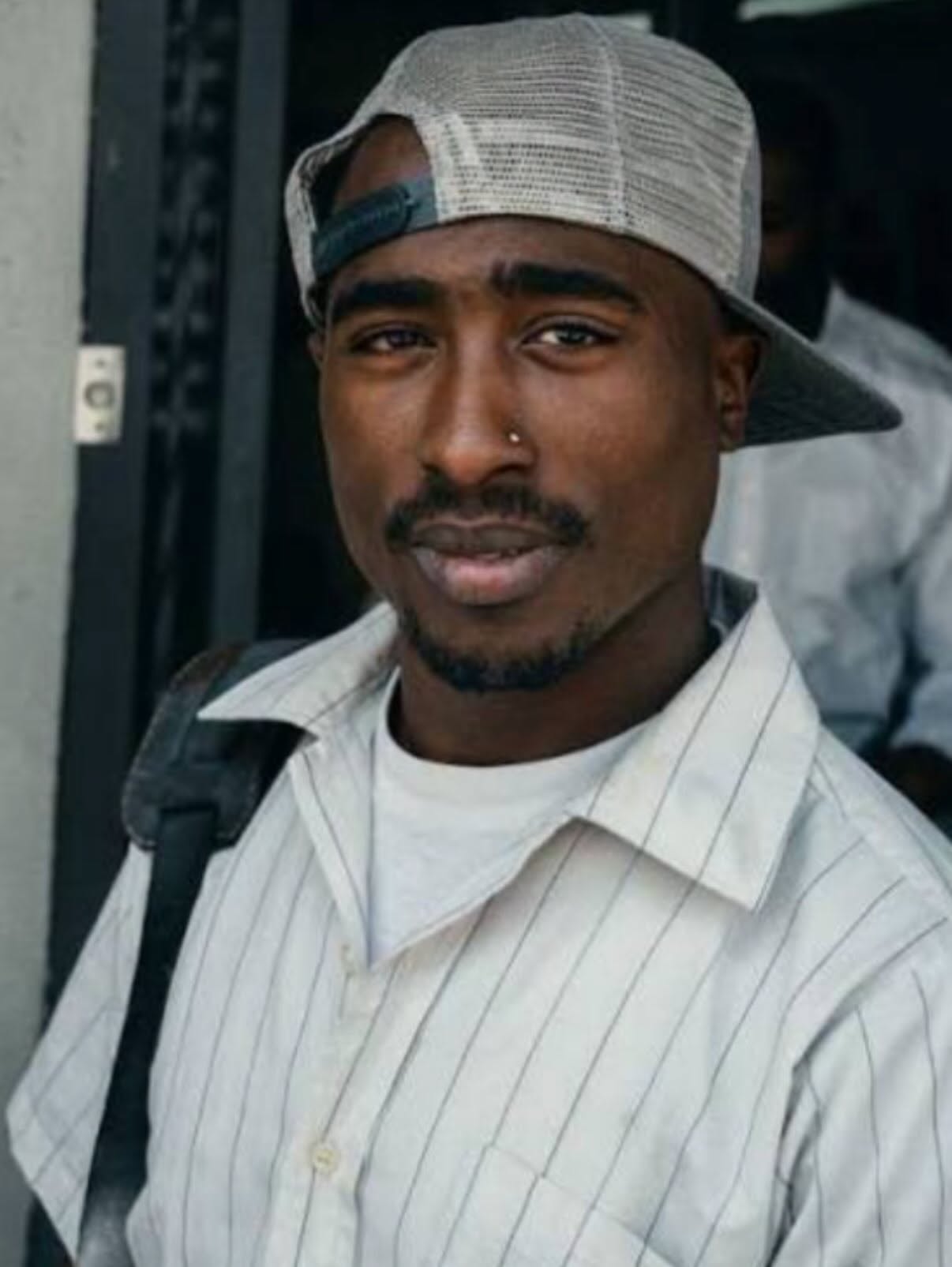
Nearly 30 years after Tupac Shakur was gunned down in Las Vegas, his family is finally watching a man stand trial for his murder. But Tupac's sister says the Shakur family walked into the courtroom with something strikingly absent: an expectation that the criminal justice system would actually deliver justice.
Sekyiwa Shakur spoke candidly about her family's feelings as the murder trial of Duane "Keffe D" Davis finally got underway in Las Vegas this week. Davis, 63, has pleaded not guilty to a murder charge stemming from the September 1996 drive-by shooting that killed one of hip-hop's biggest stars.
"We've never had any expectations of the criminal system to hunt someone down for my brother's murder," Sekyiwa told Law & Crime Network.
Her explanation was even more sobering.
"Young Black boys, and their lives and deaths tend to be swept under the rug in America often," she said. "We didn't have high expectations in the beginning."
Those expectations apparently haven't risen much now that a trial is finally happening.
Nearly 30 Years Later, Tupac's Family Is Finally In Court
Tupac was just 25 when he was shot while riding in a BMW driven by Death Row Records boss Marion "Suge" Knight on Sept. 7, 1996. The rapper was struck four times and died six days later.
For decades, the killing became one of music's most infamous unsolved crimes.
Now prosecutors are telling jurors that Davis didn't need to pull the trigger himself to be responsible for Tupac's death. They allege that he orchestrated the attack as retaliation after Tupac and members of his entourage assaulted Davis' nephew, Orlando "Baby Lane" Anderson, at the MGM Grand earlier that night. Prosecutors contend Davis obtained the gun and helped direct the fatal attack.
Davis' own words are expected to loom large over the trial.
Prosecutors are pointing to statements he made over the years, including accounts contained in his 2019 memoir and previous interviews. The defense, however, is taking the extraordinary position that Davis' stories shouldn't necessarily be believed.
His attorneys argue that Davis exaggerated his role for fame and financial gain and that prosecutors lack sufficient evidence tying him to the murder.
In other words, one of the central questions in the Tupac trial may be whether the man who spent years publicly talking about the infamous killing was telling the truth.
Tupac's Family Faced Graphic Details Of His Death
For Shakur's relatives, the first days of testimony have also meant confronting details of Tupac's death in a way few families would ever want to experience.
During testimony from a forensic pathologist, graphic autopsy photographs were shown in court. Some members of Tupac's family reportedly left the courtroom before the images were displayed.
The case has already produced other dramatic moments.
Former Death Row associate James "Mob James" McDonald proved to be an openly reluctant witness, resisting efforts to revisit the gang conflicts surrounding the case and telling the court he didn't want to help send Davis to prison.
And with a trial that could stretch for weeks and potentially involve a huge roster of witnesses, nearly three decades of accusations, gang rivalries, disputed confessions and hip-hop history are suddenly being dragged back into a Las Vegas courtroom.
Sekyiwa Shakur Isn't Calling The Trial The End Of The Story
That makes Sekyiwa's reaction particularly striking.
For millions of Tupac fans, the fact that anyone is finally on trial could feel like the resolution of a mystery that has hung over hip-hop since 1996.
For Tupac's family, it isn't necessarily that simple.
Sekyiwa and her stepbrother Maurice Shakur have also pursued a wrongful-death lawsuit against Davis, another sign that the family's search for accountability extends beyond this criminal proceeding.
Davis, meanwhile, remains presumed innocent unless convicted. He maintains his innocence and disputes the prosecution's interpretation of statements he made about the killing.
But after 30 years of conspiracy theories, accusations and unanswered questions, the extraordinary thing is that a Tupac Shakur murder trial is happening at all.
Sekyiwa just isn't pretending that a courtroom verdict will necessarily erase three decades of disappointment.
"We didn't have high expectations in the beginning," she said.
Thirty years later, the Shakur family is finally getting a trial.
Whether they believe they'll finally get justice is another matter entirely.


