Prime Cuts: "That Old Man," "How To Forgive," "Hold On To Jesus"
Overall Grade: 3/5
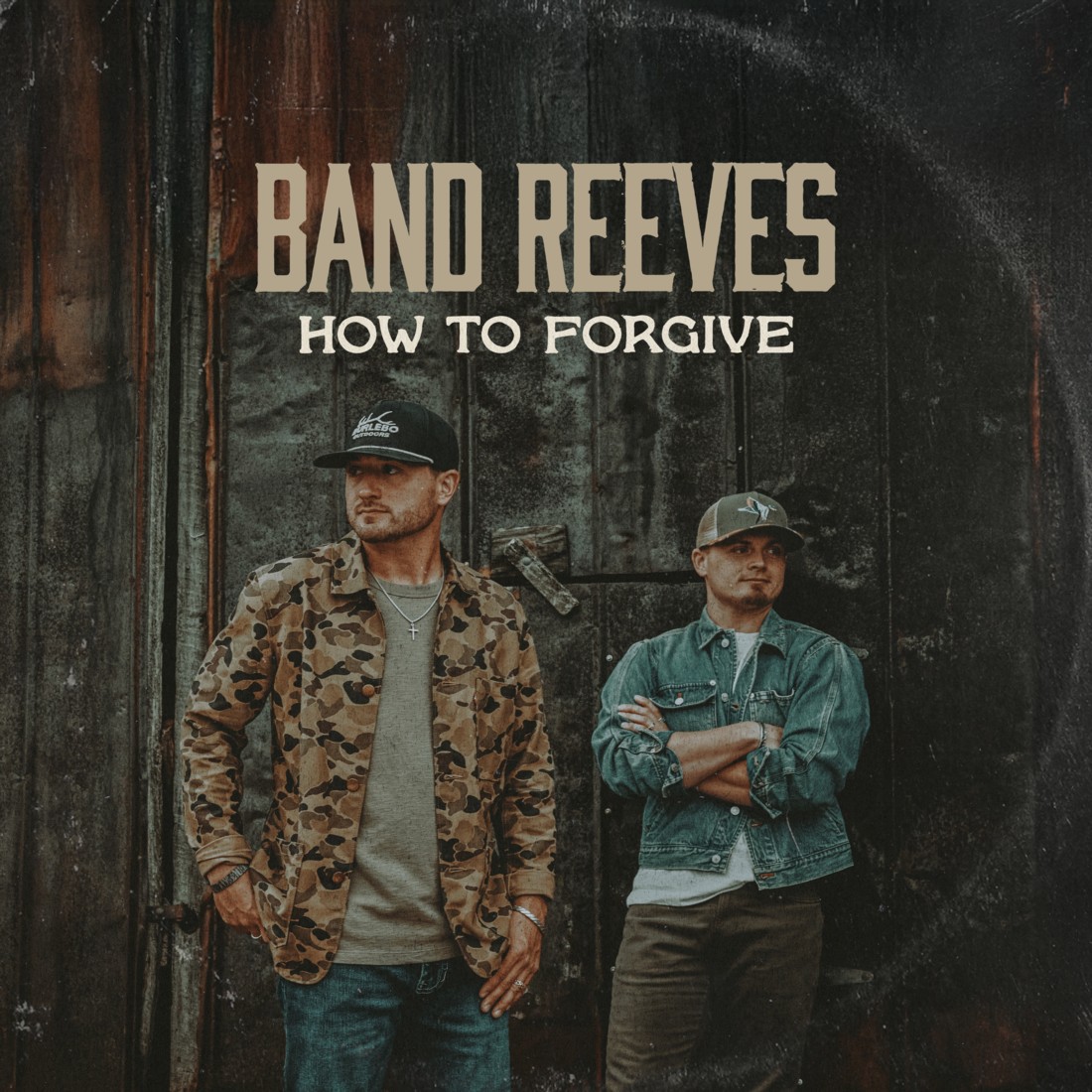
Band Reeves' Centricity Music debut, How To Forgive, is at its best when brothers Jeramy and Cody Reeves simply sound like themselves. Across 12 tracks, the Palestine, Texas siblings mix contemporary country, Southern Gospel instincts and Christian testimony into songs about fathers, failures, forgiveness and following Jesus. It is an earnest album with several genuinely affecting moments, even if its familiar musical language and occasionally predictable writing keep it from becoming as distinctive as its strongest songs suggest it could be.
The brothers establish their territory quickly. "If I Didn't Have You" introduces the record with the warm harmonies that remain one of Band Reeves' greatest assets, while the title track moves directly into the album's central concern: forgiveness as something considerably messier than a Christian slogan. "How To Forgive" works because Jeramy and Cody sound more interested in wrestling with grace than merely explaining it.
That authenticity also gives "Devil Drive" some bite. Co-written with Walker Hayes and Kyle Williams, the song draws inspiration from a friend sentenced to prison and pushes the album toward its recurring fascination with people who have made mistakes but are not beyond mercy. There is an appealing roughness to the premise, and the brothers are convincing when singing about Christianity from the perspective of people who actually need redemption.
The record is less compelling when it settles into more conventional inspirational territory. "My Country" wears its faith-and-values message openly, while "Front Porch Church" celebrates beginning the day in Scripture. Both fit Band Reeves' rural Christian identity, but neither reveals quite as much about the brothers as the album's more personal material. At several points, the production and songwriting occupy a comfortable contemporary country/Christian middle ground when a few sharper musical risks might have given the album greater personality.
Fortunately, the family songs dig deeper. "That Old Man" is one of the album's strongest pieces of storytelling, looking backward at a family history scarred by addiction and at a grandfather whose decision to follow Christ changed what subsequent generations inherited. It gives the Christian idea of transformation a human face: redemption here is not abstract theology but a changed family trajectory.
"Big Shoes" effectively continues that story from another angle. This time the brothers look toward their father, a bivocational minister whose example shaped their understanding of marriage, fatherhood, work and faith. The sentiment could easily have become overly sugary, but the specificity of the relationship gives the song weight. Heard alongside "That Old Man," it creates one of the album's most interesting sequences: one generation breaks a destructive pattern, another models a different life, and the sons consider what they will carry forward.
"Love You To Death" brings the theme of forgiveness explicitly to the cross. Its central idea-Christ loving humanity literally unto death-is hardly unfamiliar territory for Christian music, but Band Reeves deliver it with conviction. Elsewhere, "What Free Feels Like" and "Jesus Won't" reinforce the record's testimony-driven approach, although by this stage some of the album's musical and lyrical patterns begin to feel repetitive.
The brothers save one of their warmest performances for the finale. Co-written with David Leonard and Molly Kate Kestner, "Hold On To Jesus" strips Christian discipleship down to perseverance: tomorrow does not have to be solved today. The song's emphasis on taking life one step at a time gives the album an appropriate benediction. More importantly, the Reeves brothers' harmonies make the message feel communal rather than instructional-they sound like two people reminding each other to keep going.
That distinction explains both the strengths and limitations of How To Forgive. Band Reeves are most convincing when their songs emerge from particular people and experiences: a father, a grandfather, a friend in prison, two brothers confronting their own need for grace. When they move into broader Christian-country declarations, the writing can become more generic, and the album's 12-song length accentuates the sameness.
Still, there is an appealing lack of pretense here. Jeramy and Cody Reeves know the world they want to sing about-family, faith, mistakes, second chances, front porches and Jesus-and they inhabit it naturally. How To Forgive may not yet establish Band Reeves as a wholly distinctive voice in the crowded faith-based country field, but its finest moments reveal something worth developing: two brothers discovering that their most compelling testimonies are the ones only they can tell.


