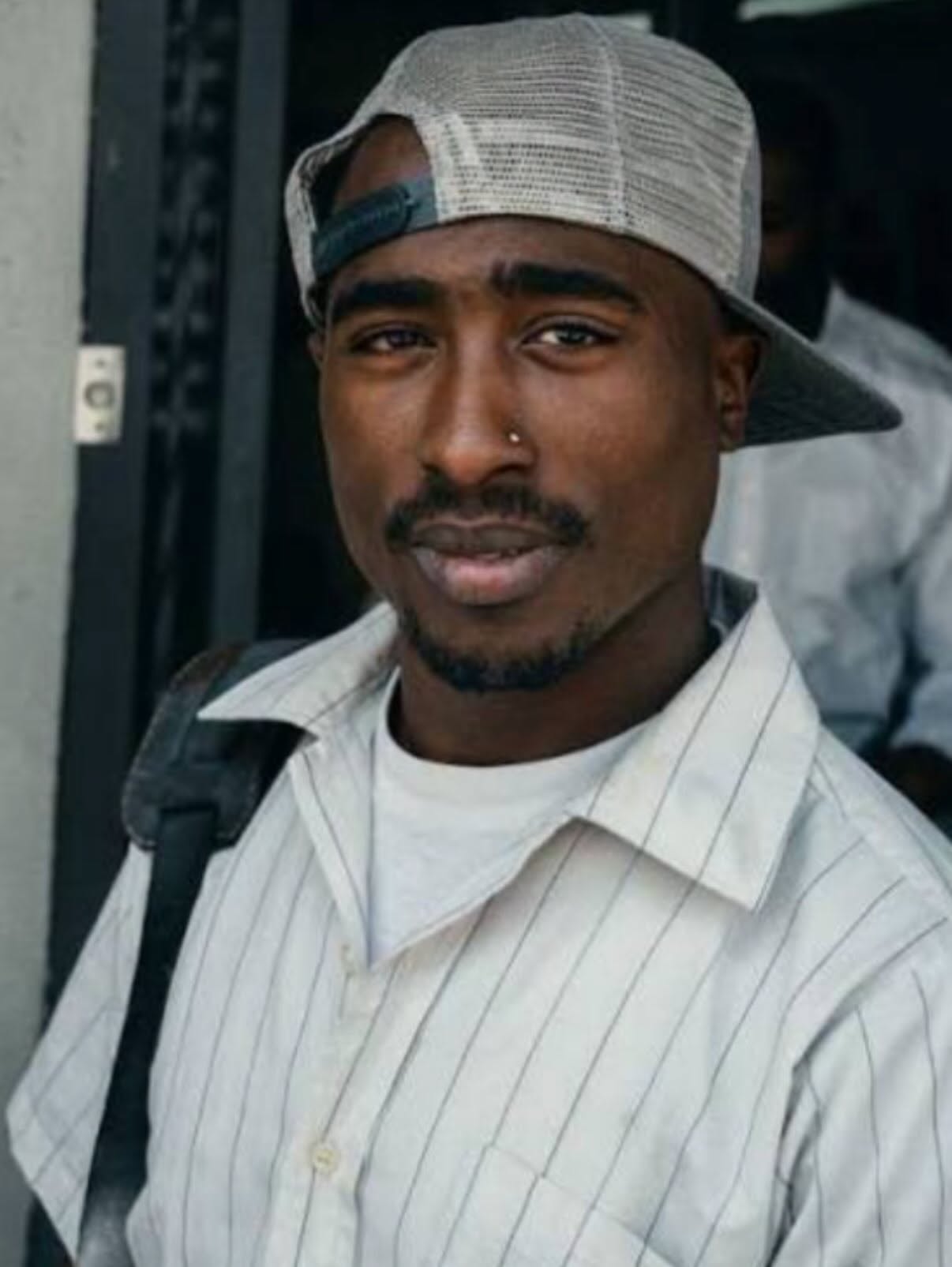
Nearly three decades after Tupac Shakur was gunned down on the Las Vegas Strip, one of hip-hop's darkest and most fiercely debated mysteries has finally produced a guilty verdict.
A Las Vegas jury found former gang leader Duane "Keffe D" Davis guilty of first-degree murder with a deadly weapon for orchestrating the 1996 drive-by shooting that claimed Tupac's life. Jurors reportedly deliberated for less than three hours before delivering the historic verdict, marking the first conviction in a case that has haunted the music industry for almost 30 years.
Davis, 63, was not accused of pulling the trigger. Prosecutors instead argued that he obtained the gun, supplied it to the group traveling in a white Cadillac and directed the retaliatory attack. Under Nevada law, a person who plans and facilitates a killing can be held criminally responsible even if someone else fires the fatal shots.
The prosecution described the shooting as revenge for a casino brawl that erupted only hours earlier. Tupac, Death Row Records boss Marion "Suge" Knight and members of their entourage were captured on surveillance footage attacking Davis' nephew, Orlando "Baby Lane" Anderson, at the MGM Grand following a Mike Tyson boxing match.
Prosecutors said Davis and his associates subsequently went "hunting" for Tupac and Knight. They allegedly spotted Knight's BMW stopped at a red light near Flamingo Road and Koval Lane, made their move and unleashed a barrage of gunfire from the Cadillac.
Tupac was struck four times on September 7, 1996. The 25-year-old rapper clung to life for six days before dying from his injuries on September 13. Knight, who was driving the car, was also wounded but survived.
In a stunning twist worthy of a Hollywood crime drama, prosecutors built much of their case around Davis' own words. Over the years, he repeatedly discussed his presence inside the Cadillac through interviews, documentaries and his 2019 memoir, Compton Street Legend. Those public revelations helped revive a case that had long appeared destined to remain unsolved.
Davis' defense insisted that the stories had been exaggerated or fictionalized for money and notoriety. His lawyers also challenged the integrity of the investigation, pointing to missing evidence and inconsistencies in the accounts offered across the years.
The jury was not persuaded.
"The core facts remain. The material facts remain," Chief Deputy District Attorney Binu Palal told jurors, arguing that Davis consistently placed himself inside the vehicle from which the fatal shots were fired. Prosecutors maintained that the group's search for Tupac demonstrated planning rather than a sudden act of violence.
The emotion inside the courtroom was impossible to miss when the verdict was announced. Tupac's sister, Sekyiwa "Set" Shakur, reportedly cried and embraced prosecutors, while Davis' son covered his face with one hand. For Tupac's family and fans, the decision represented the first measure of legal accountability since the rapper's shocking death.
The murder has generated countless books, documentaries and conspiracy theories, partly because it occurred at the height of the explosive East Coast-West Coast rap rivalry. Tupac's death was followed six months later by the murder of his rival, Christopher "The Notorious B.I.G." Wallace, deepening the sense that the full story behind both killings might never emerge.
Davis now faces a possible life sentence, with sentencing scheduled for October 13. His legal team has indicated that he intends to appeal the conviction.
Thirty years after the Cadillac disappeared into the Las Vegas night, the courtroom finally delivered the answer Tupac's family and millions of fans had been waiting to hear: someone has been found criminally responsible for the murder of one of hip-hop's most enduring icons.


