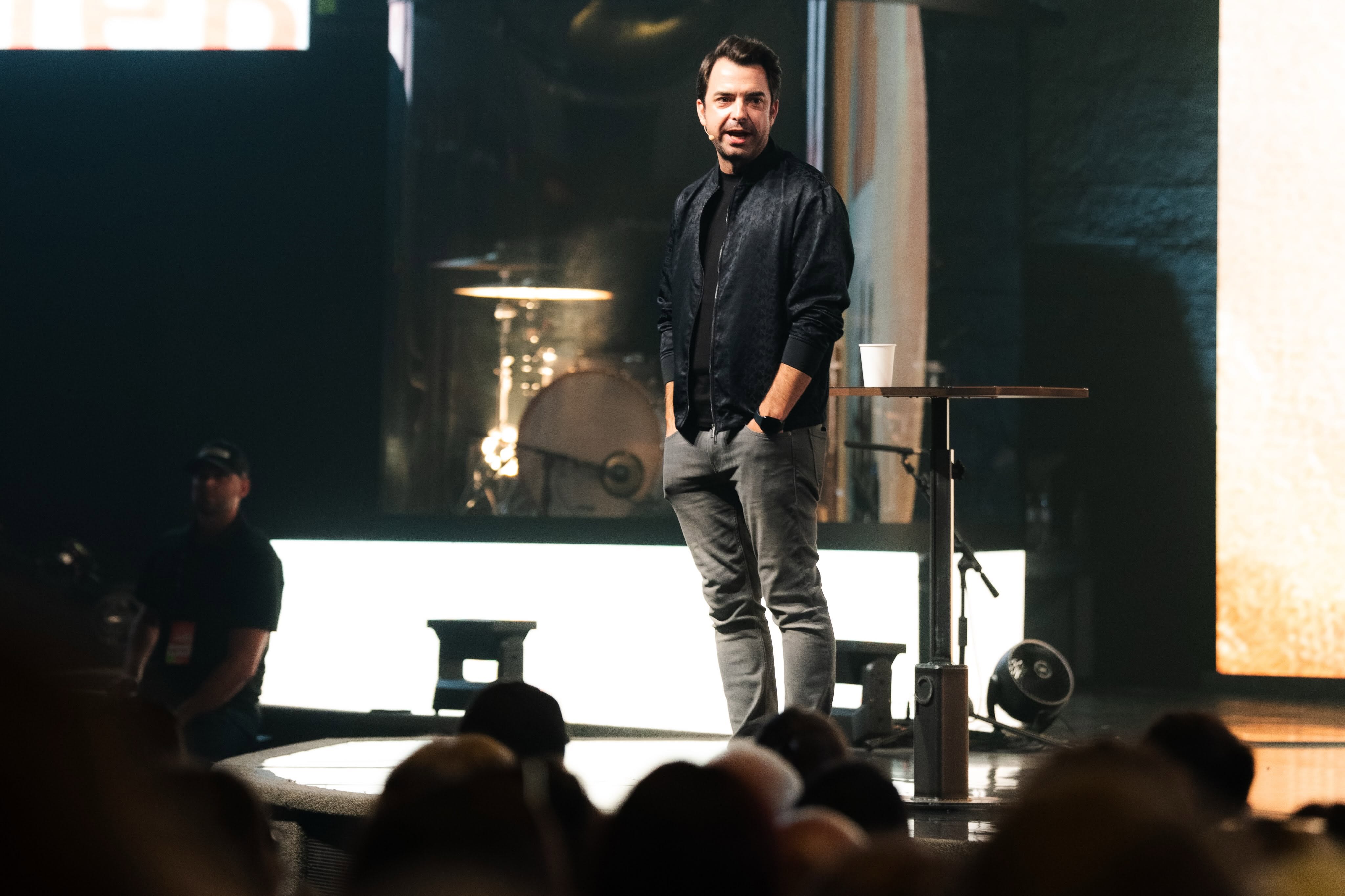
At TPUSA Faith's Faith Forward Pastors' Summit on Wednesday, Lucas Miles challenged pastors who say they "just preach Jesus" while avoiding political and cultural issues. His message raises a question for church leaders: How far should a sermon go in telling Christians what to believe about public life?
"We need to get serious about understanding it's our job to preach and proclaim the full counsel of God's Word," Miles told attendees, according to ChurchLeaders. He argued that Christians should carry a biblical ethic into every setting and that pastors should equip their congregations to do so.
Miles, vice president of TPUSA Faith and senior pastor of Nfluence Church in Granger, Indiana, opened the three-day summit in Detroit on Sept. 23. Speaking from Romans 13, he described the state as responsible for punishing evil and protecting good. He then assigned the church a public role: reminding government and society how Scripture defines both.
"It's the job of the church to be the conscience of the state," Miles said. That claim gives pastors more to consider than whether they mention politics from the pulpit. It asks what happens when a church's reading of Scripture meets a contested policy question-and how a pastor can teach moral conviction without treating every political judgment as equally clear.
Miles sharpened the point when he addressed pastors who say they "just preach Jesus." "If you're just preaching Jesus, that means you're not preaching the full counsel," he said. For pastors who use that phrase to avoid difficult subjects, his challenge is direct. For those who see Jesus's teaching as the foundation for addressing those subjects, the claim may prompt a different question: What, exactly, is being left out?
The summit runs through Sept. 25 at the Detroit Marriott at the Renaissance Center. Its website says the gathering aims to equip leaders to proclaim the gospel boldly and "eradicate wokeism from the American pulpit." Miles's opening address made clear that TPUSA Faith wants pastors to take that mission beyond the conference room. Whether they accept his account of the church's political responsibility is a question each congregation will have to face.


