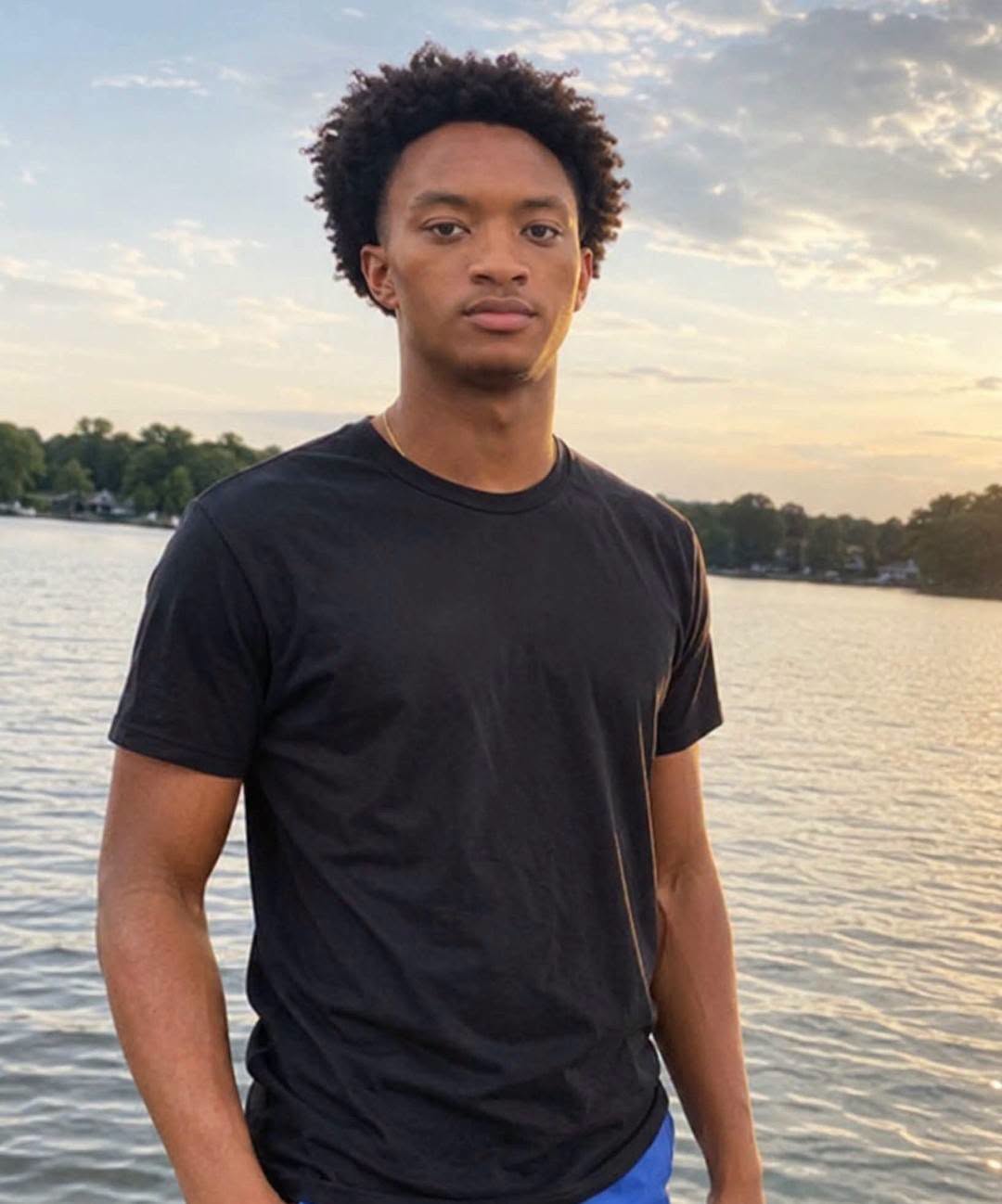
An injury to the back of Nolan Wells' head was documented in the state autopsy. But attorney Ben Crump says the medical examiner did not photograph that area, leaving the family without a visual record of an injury whose cause remains unexplained. As Wells' parents press for further investigation, the missing photograph has become one more question in a case that has not established how the 18-year-old died.
Wells disappeared during a July 4 trip to Horn Island, off the Mississippi coast. His body was found two days later. A Jackson County grand jury subsequently declined to indict anyone, finding insufficient evidence of criminal conduct. It said the condition and location of his body were consistent with drowning, although both the state medical examiner and a pathologist retained by the family classified his cause and manner of death as undetermined.
Crump's concern centers on two bruises beneath the scalp at the back of Wells' head. The family's independent pathologist, Dr. Roger Mitchell, also documented injuries there and elsewhere on Wells' back. Crump says the absence of state autopsy photographs of the back of the head makes it harder to assess those findings. The area was examined and the bruises were recorded; the family's complaint is that it was not photographed.
District Attorney Angel Myers McIlrath disputes the suggestion that the injuries establish foul play. She says the grand jury considered both autopsy reports and heard from both pathologists. According to McIlrath, neither doctor identified a fatal injury, and neither ruled out drowning. The bruises therefore raise a question about what happened to Wells, but their presence does not by itself establish how he died or whether anyone else was involved.
The family is also challenging what prosecutors received from an independent examination of Wells' phone. A forensic examiner working with Crump's team reported deleted Snapchat material, while McIlrath said her office received selected findings rather than the full digital download. She has called on the team to provide any evidence linking that material to a crime. The dispute adds to the demand for answers, but no reported phone finding has established a cause of death.
For Wells' parents, the question is how an unexplained head injury fits into their son's final hours. The grand jury's decision means no one has been charged; it does not supply a definitive cause of death. Its report leaves open the possibility of reconsidering the case if credible new evidence emerges.


