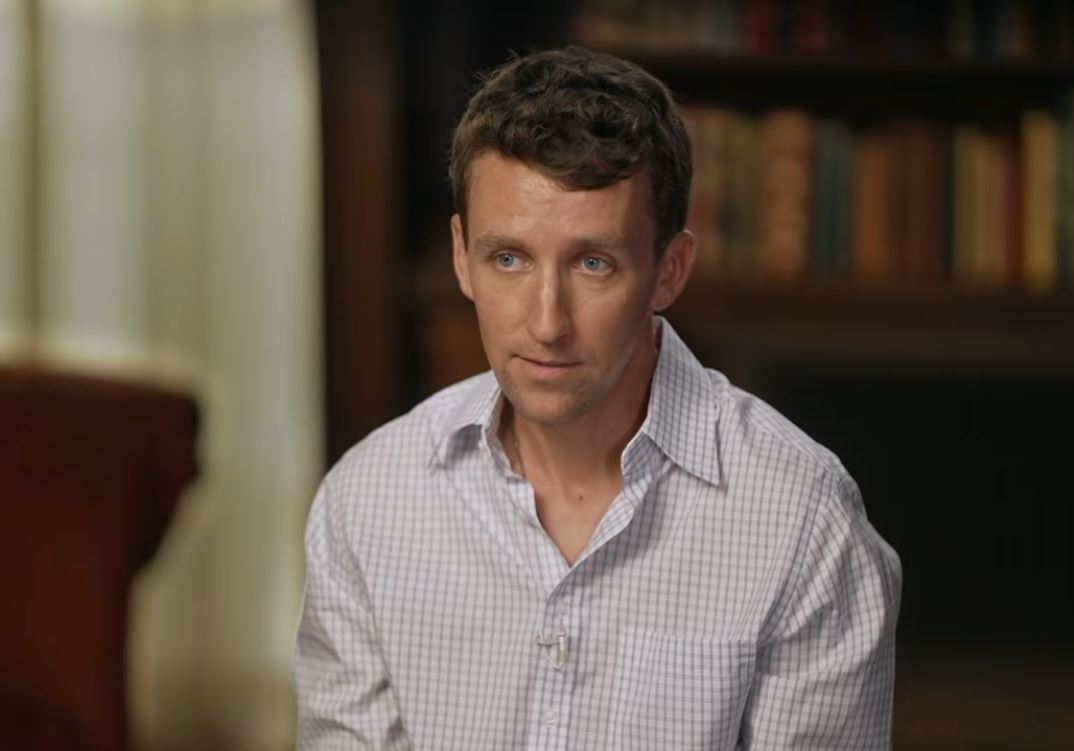
Patrick Clancy remembers meeting Lindsay in the summer of 2013 and finding her a "fun-loving, outgoing person." Asked in an extended 60 Minutes interview what kind of mother she was, he described her as "very hands-on." Those memories are difficult to hear alongside the deaths of their children, but Patrick has continued to speak about the woman he knew before the tragedy.
Cora, 5, Dawson, 3, and Callan, 8 months old, died after Lindsay strangled them at the family's Massachusetts home in January 2023. Her attorneys acknowledge that she caused their deaths but argue that postpartum psychosis left her unable to be held criminally responsible. A jury could not reach a unanimous verdict, and the judge declared a mistrial. Prosecutors have yet to announce whether they will seek another trial.
Patrick's recollections raise a question that has followed the case: how does a family make sense of a devastating act when it conflicts with everything they thought they knew about the person responsible? Patrick told 60 Minutes that Lindsay had struggled with sleeplessness, deep depression and intrusive thoughts in the months before the children died. He said he did not know how to manage a postpartum illness and believes mental illness caused her actions. That is his account of what happened; the question of criminal responsibility remains before the court.
His answer to another question was just as striking. Asked whether Lindsay had ever requested his forgiveness, Patrick said, "No. But I gave it to her." He explained that he feared being consumed by anger if he could not forgive her. His decision does not settle the case, but it explains why he resists descriptions of Lindsay that leave no room for the mother he remembers.
Patrick also wants attention returned to Cora, Dawson and Callan. He spoke about keeping their belongings and memories close, from Cora's favorite sloth to Dawson's toy helicopter. As the case approaches its September 29 court hearing, his interview poses a hard question for everyone following it: can the public take the children's deaths seriously while also listening carefully to the family's account of Lindsay's illness?


