A planned livestream of Fort Hood shooter Nidal Hasan's execution has opened a sharp divide among Christian leaders, with competing appeals to Scripture raising a disturbing question: What happens when the administration of justice becomes something the world can watch?
Hasan, convicted of killing 13 people and wounding 32 in the 2009 attack, is scheduled to face a firing squad on December 3. Pentagon officials have announced plans to broadcast the execution, although President Donald Trump has since said he will make the final decision about whether the livestream proceeds.
First Baptist Dallas pastor Robert Jeffress has explicitly supported the broadcast. According to The Christian Post, Jeffress appealed to Genesis 9:6, arguing that capital punishment affirms the sacredness of human life and that allowing people to witness it could reinforce that message. He also reportedly said he intends to watch.
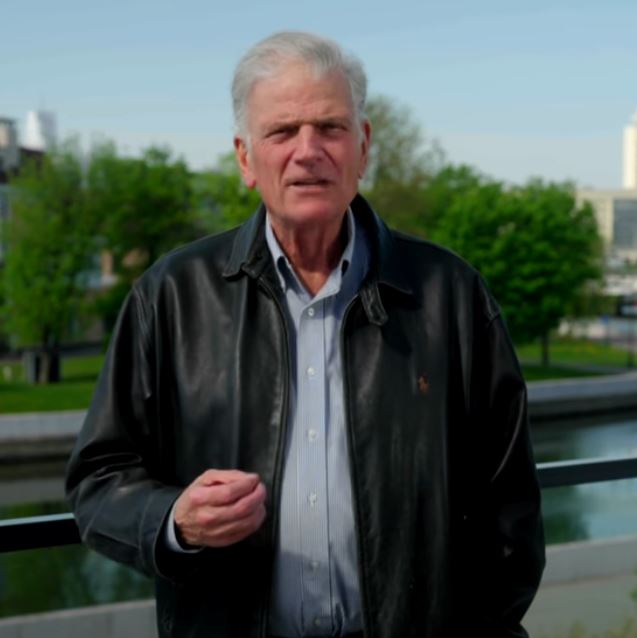
Franklin Graham's response took a different form. The evangelist questioned the consistency of media voices expressing horror at a public execution while embracing entertainment saturated with violence. His comments challenged the reaction to the proposal without explicitly declaring that the execution should be livestreamed.
That distinction matters as Christian responses spread across social media. Jeffress endorsed the broadcast; Graham raised questions about cultural attitudes toward death; other leaders rejected the proposal as a violation of human dignity.
Archbishop Paul S. Coakley, president of the U.S. Conference of Catholic Bishops, condemned the plan while making clear that nothing excused Hasan's crimes. His appeal to Romans 12:17 placed the emphasis on refusing to repay evil with evil, warning that broadcasting an execution would harm the nation's conscience.
Episcopal Church Presiding Bishop Sean Rowe likewise opposed the livestream, arguing that participation in such a broadcast would inflict moral injury. His response reflects his denomination's broader opposition to capital punishment.
Yet opposition to the broadcast also includes Christians who support Hasan's execution. Texas Republican legislator Jeff Leach backed the firing squad while rejecting the livestream, drawing a line between imposing a sentence and inviting the public to watch a person die.
Lakepointe Church pastor Josh Howerton added another layer to the dispute by observing that biblical executions were public. He subsequently clarified that this did not mean governments must always conduct executions publicly or that doing so is wise in every case.
Together, these responses expose two distinct debates: whether capital punishment is justified and whether broadcasting it serves a legitimate moral purpose. Agreement on the first has produced no consensus on the second.
For Christians, the controversy also reveals how different biblical passages shape competing understandings of justice. Appeals to the sanctity of life underpin support for the death penalty, while appeals to mercy, restraint, and human dignity underpin resistance to making an execution publicly viewable.
The decision now rests with Trump, who has faced criticism from members of both political parties. Whatever he decides, the proposed broadcast has already forced prominent Christian voices to confront a question that extends beyond Hasan's sentence: What would watching his death teach the people who tune in?


