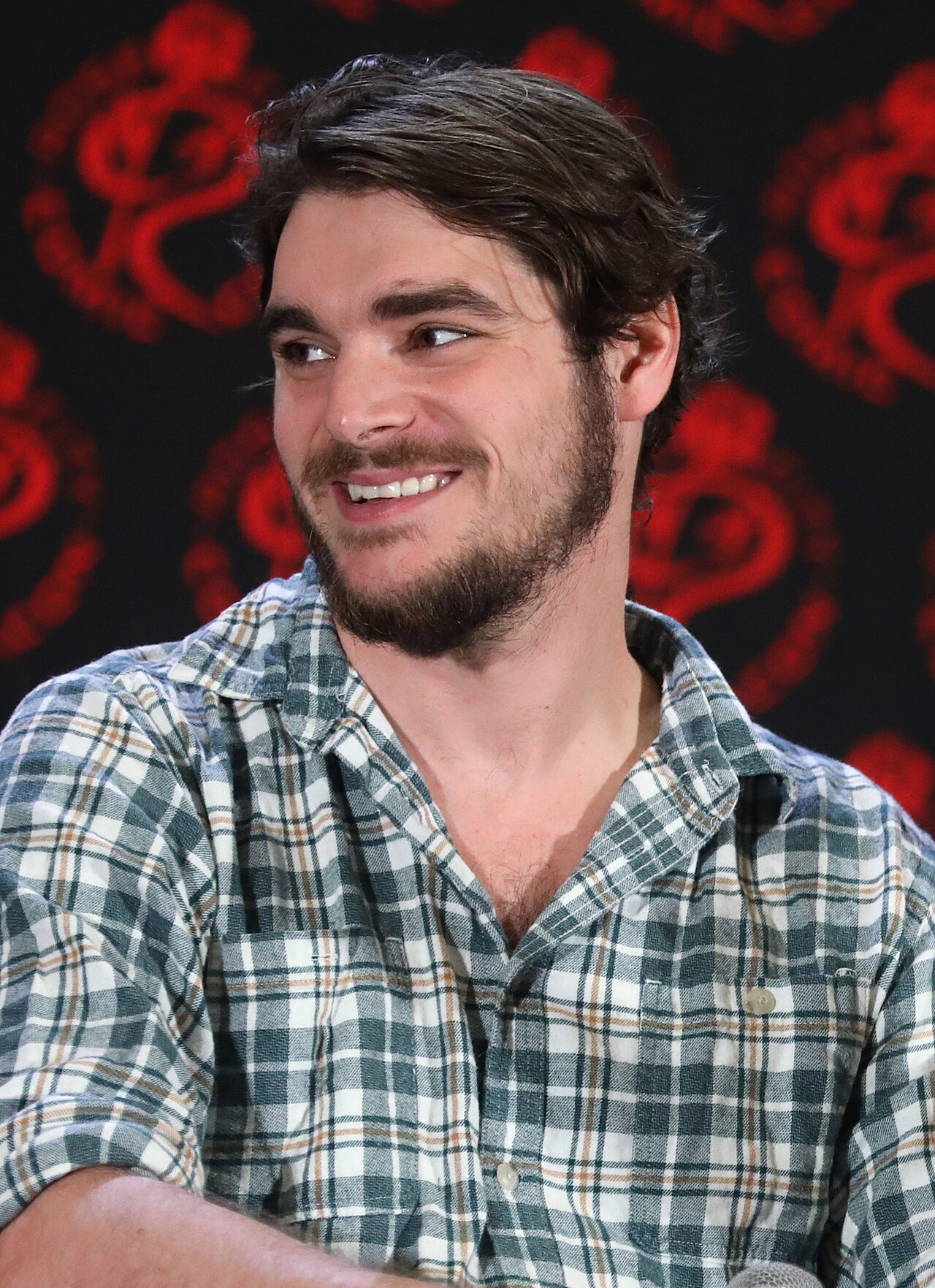
RJ Mitte's encounter with an evangelist began with the gift of a Bible and opened into a conversation about his grandmother's prayers, his Christian upbringing, and the difficulty of staying connected to church while working in entertainment. Now, following the "Breaking Bad" actor's death at 34, that exchange offers a glimpse into a part of his life that received less attention than his acting and disability advocacy.
Dylan Novak, an evangelist known for speaking with celebrities at conventions, told The Christian Post that he met Mitte at a comic convention in May. According to Novak, the actor welcomed the Bible and immediately thought of his grandmother, describing her devotion to Jesus and her commitment to praying for him.
The conversation became more personal when Novak asked Mitte about his own beliefs. Novak recalled the actor responding, "I'd say I'm a Christian," and discussing the influence of his mother and grandmother on his spiritual upbringing.
Mitte died October 12 in Brownsville, Texas. His representatives subsequently confirmed that he died by suicide, according to The Associated Press. The account of his conversation with Novak concerns an encounter months earlier and does not explain the circumstances of his death.
What emerges from Novak's recollection is a discussion about the demands of work and the place of faith in everyday life. He said Mitte acknowledged that his growing professional commitments had made church participation more difficult, while expressing a desire to remain connected to God.
That distinction gives the exchange its deeper significance. Public recognition can make an actor familiar to millions without revealing much about the relationships, convictions, and questions that shape his private life. In Novak's account, Mitte spoke about faith through the people closest to him-particularly the women whose prayers and encouragement had accompanied his upbringing.
Novak also described a discussion about the difference between trusting Christ and relying on religious participation as evidence of salvation. Those theological observations belong to Novak's account of the conversation; they should not be treated as a complete statement of Mitte's beliefs or as evidence that the actor had experienced rejection by a church.
The evangelist remembered Mitte as warm toward fans and attentive to other people. That recollection sits alongside the actor's public work advocating for disability representation, a cause informed by his own experience of cerebral palsy.
Best known as Walter White Jr. on "Breaking Bad," Mitte brought that experience to a role that helped make disability more visible on television. His career also included "Switched at Birth" and "The Guardians of Justice," alongside charitable work and independent film projects.
Novak's remembrance adds a quieter dimension to that public legacy: a man who accepted a Bible, thought of his grandmother, and spoke about his relationship with God. It offers something specific to remember while leaving the limits of that brief encounter intact.


