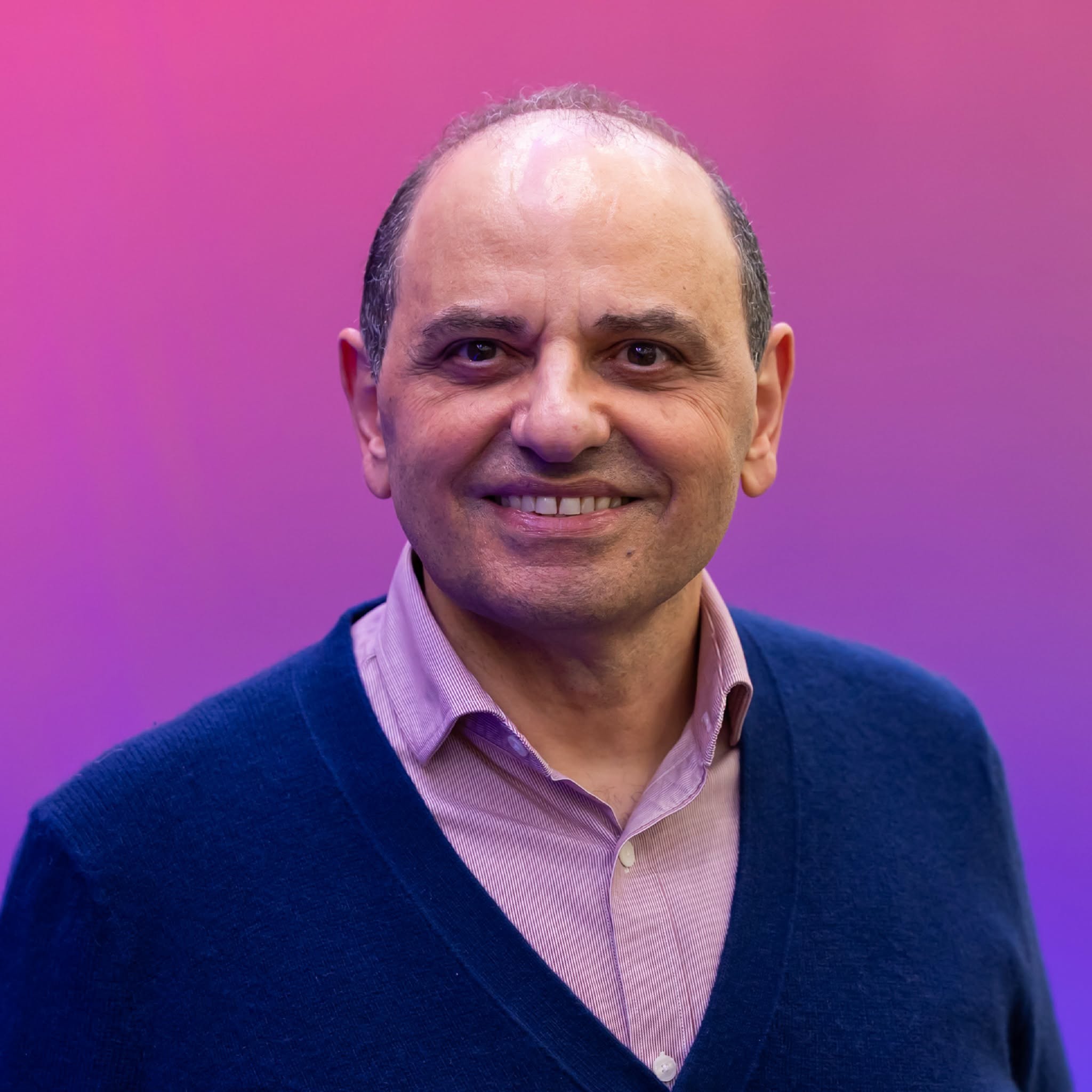
Evangelist Canon J John is challenging churches to examine whether their commitment to reaching non-Christians is reflected in how they spend their time, money, and energy. Speaking at the Church Resources Exhibition, the Philo Trust founder cited research suggesting that worship and the wellbeing of existing congregations receive more than 95% of church resources, leaving less than 5% for witness.
His challenge raises a searching question for church leaders: are congregations equipping believers to share their faith, or primarily organizing activities for people who already attend? According to the report published by Christian Today and republished by The Christian Post on October 21, J John urged churches to make evangelism a regular, practical part of congregational life.
"Do you not agree there's a slight imbalance there?" he asked after describing the allocation of resources. He proposed a more even distribution among worship, wellbeing, and witness, placing outreach alongside the responsibilities churches already prioritize.
One of the most striking figures concerned training. J John recalled Philo Trust research involving 1,000 Evangelical churches in which only 36 said they had provided evangelism training during the previous decade. The report does not supply the research dates or methodology, so the figures should be understood as research he cited rather than a comprehensive assessment of every UK church.
Nevertheless, his practical concern was clear: Christians cannot simply be instructed to share their faith without receiving help to do so. He encouraged churches to consider offering an evangelism course every year, giving members repeated opportunities to develop confidence and learn how to discuss Christianity with others.
"We've got to equip people. We've got to help people," he said. His appeal shifted responsibility toward church leadership, asking pastors to cultivate an outlook that includes regular worshippers, people loosely connected to the congregation, and those beyond its existing relationships.
Other speakers explored what that outward attention could look like. Phil Stokes, founder and director of REACH, described a micro-church serving millennials and developing disciples who could establish similar communities elsewhere. One couple subsequently moved to Manchester and started another group, illustrating how a ministry's influence can extend beyond attendance at its original gathering.
His example invited churches to examine how they measure progress. A congregation may remain relatively small while helping Christian community take root in another location, making the development and sending of disciples a significant part of its work.
Bejoy Pal, CEO of the Ascension Trust, emphasized the importance of entering spaces where young people already gather. Drawing on his experience as a street pastor in Croydon, he described conversations with teenagers who were outside in the early hours because they felt they had nowhere else to go with their questions.
Pal urged Christians to listen carefully enough to understand younger people's perspectives, including views they may challenge. His approach combined intentional presence, prayer, and a willingness to take people's experiences seriously.
Andy Flannagan, director of Christians in Politics and chair of the panel discussion, extended that emphasis on relationships to public disagreement. He questioned the effectiveness of online confrontation and public shaming, describing personal conversations as a more productive opportunity to address difficult issues.
Together, the speakers pressed churches to consider whether their structures make meaningful encounters with non-Christians more likely. J John's challenge gives that discussion a concrete starting point: examine the calendar, review the resources, and ask when members were last taught how to share their faith.


