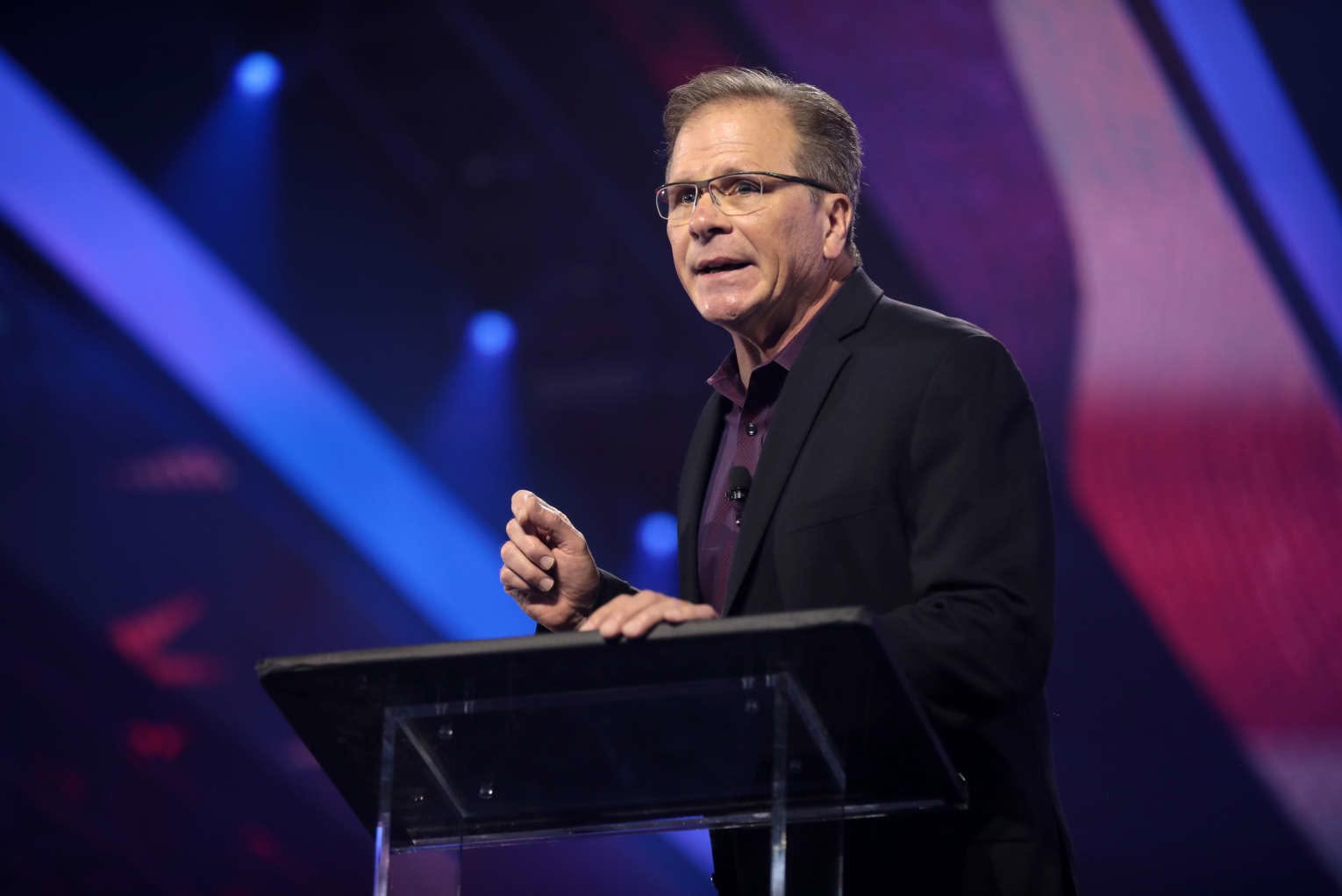
Frank Turek is continuing to speak to college students while carrying grief that remains part of his daily life. In an October 22 interview with The Christian Post, the Christian apologist described how Charlie Kirk's death has deepened his sense of urgency about sharing the Gospel-and changed the practical realities of campus ministry.
Turek, who witnessed Kirk's fatal shooting at Utah Valley University, said his friend remains on his mind when he wakes and before he sleeps. He credited prayer with helping him through the aftermath, while acknowledging that such a loss cannot be quickly absorbed. "It's not like you're going to get up the next day and feel just fine," he said.
His account raises a difficult question for Christian leaders: how do you continue a public calling when the place of ministry has become associated with personal loss? Returning to a microphone can express conviction while requiring someone to confront memories that remain painful.
At September's anniversary memorial, Turek joined students and Turning Point USA colleagues back at UVU. Local reporting documented a substantial law enforcement presence around the gathering, where speakers emphasized Kirk's Christian faith alongside his public work. The setting gave visible expression to the difficulty of returning: remembrance and renewed commitment unfolded under heightened security.
That security now carries a financial cost. Turek told The Christian Post that protection for campus appearances can reach $10,000. Recalling the decision to return, he quoted TPUSA's Andrew Sypher: "We didn't want the last word to be a gunshot."
For churches supporting campus outreach, those circumstances bring practical questions about funding, preparation and care for speakers. Public courage needs sustained support, including room for grief after an event ends and the audience leaves.
Turek's interview presents continued ministry as a response shaped by his belief in eternity, judgment and the importance of the Gospel. His decision to keep speaking places that conviction alongside an honest acknowledgment of sorrow. The challenge his story leaves with Christian communities is how to sustain both: the determination to serve students and the patience to care for those still mourning.


