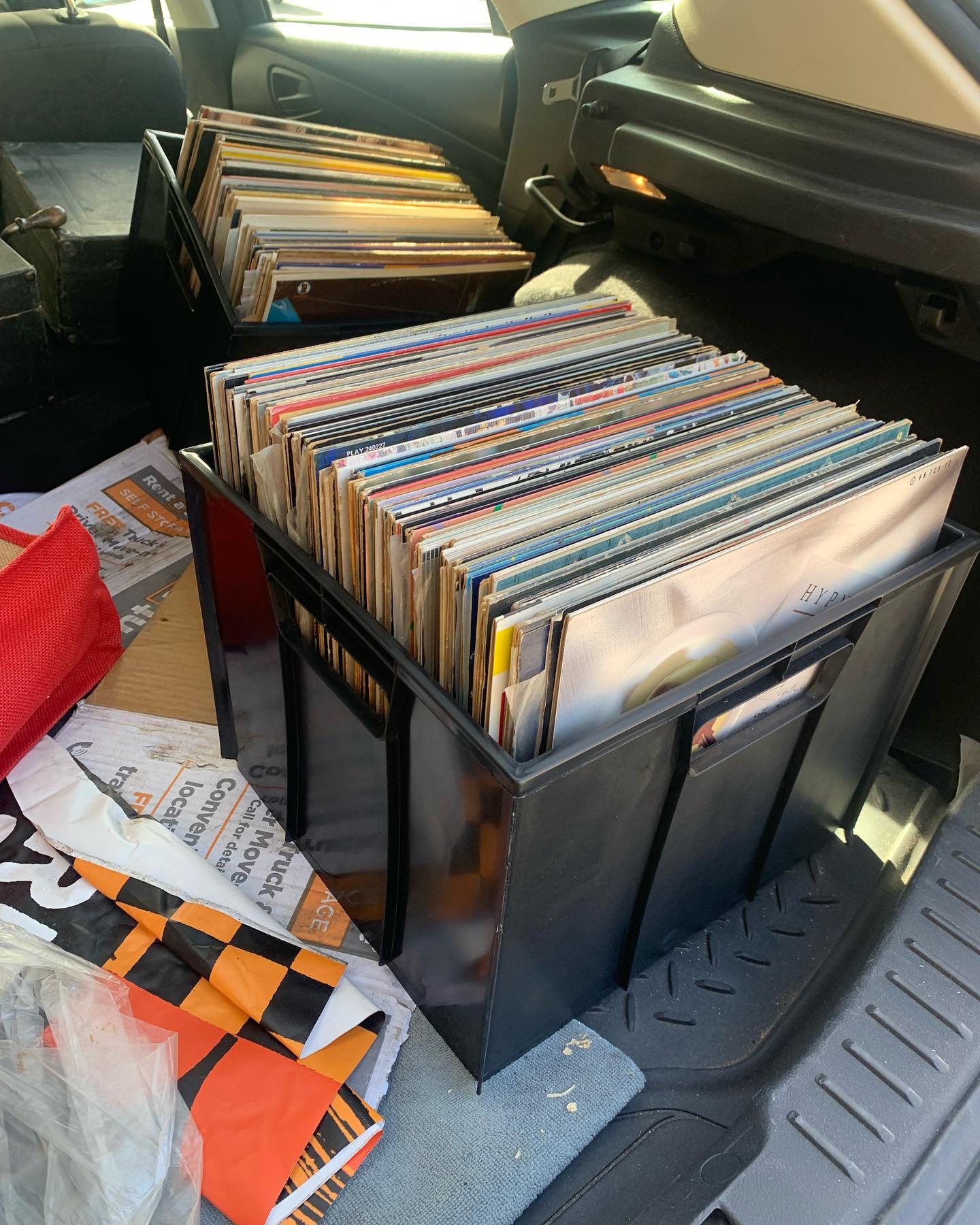
Once the beating heart of local music culture, American record shops have experienced a dramatic arc over the past seven decades-rising as essential community spaces, collapsing under digital disruption, and reemerging in a leaner but more intentional form.
At their peak in the late 1970s and 1980s, the U.S. was home to an estimated 7,000-8,000 independent record stores, alongside powerful national chains. Vinyl LPs dominated music sales, and record shops served as discovery hubs where listeners encountered new artists, genres, and subcultures. Iconic retailers like Tower Records turned record shopping into a lifestyle experience, with flagship locations open late into the night and stocked with tens of thousands of titles.
By 1999, the U.S. music industry reached its all-time revenue high, generating over $22 billion, largely driven by physical formats-first vinyl, then CDs. At the time, record stores were still central to how Americans accessed music.
That dominance collapsed rapidly in the early 2000s. The rise of MP3s, peer-to-peer file sharing, and later digital storefronts fundamentally altered consumer behavior. Between 2000 and 2010, the number of U.S. record stores fell by more than 60%, with thousands of independents shuttering and major chains filing for bankruptcy. Tower Records closed all U.S. locations by 2006, marking a symbolic end to the record-store era as a mass-market force.
By 2014, CD sales had dropped more than 80% from their peak, and streaming became the primary mode of music consumption. Physical retail appeared to be a relic.
Yet record shops did not vanish.
Beginning in the 2010s, vinyl staged an unexpected revival. According to industry tracking, vinyl sales have grown for more than 15 consecutive years, surpassing CDs in U.S. revenue for the first time since the 1980s. In 2023, Americans purchased over 40 million vinyl records, generating more than $1 billion in revenue-nearly all of it flowing through independent retailers.
Initiatives like Record Store Day played a pivotal role in the resurgence, transforming record shops into event-driven cultural spaces. Limited releases, in-store performances, and community gatherings re-centered the store as a place of encounter rather than convenience.
Today, the U.S. has roughly 1,400-1,600 independent record stores-far fewer than at their peak, but often more sustainable and locally rooted. Modern shops emphasize curation over volume, used and specialty pressings over mass releases, and community over scale.
Record shops are no longer the primary way Americans access music-but they remain one of the few places where music is still handled, discussed, recommended, and shared face to face.
In an era defined by frictionless streaming, the modern record store survives by offering something algorithms cannot: human taste, physical ritual, and communal memory.


![At The Meeting (Live) [Official Lyric Video] --- Kelontae Gavin](https://jubileecast-29b4.kxcdn.com/data/videos/thumbnail/1227/at-the-meeting-live-official-lyric-video-kelontae-gavin.jpg?w=436&h=265&l=50&t=10)


