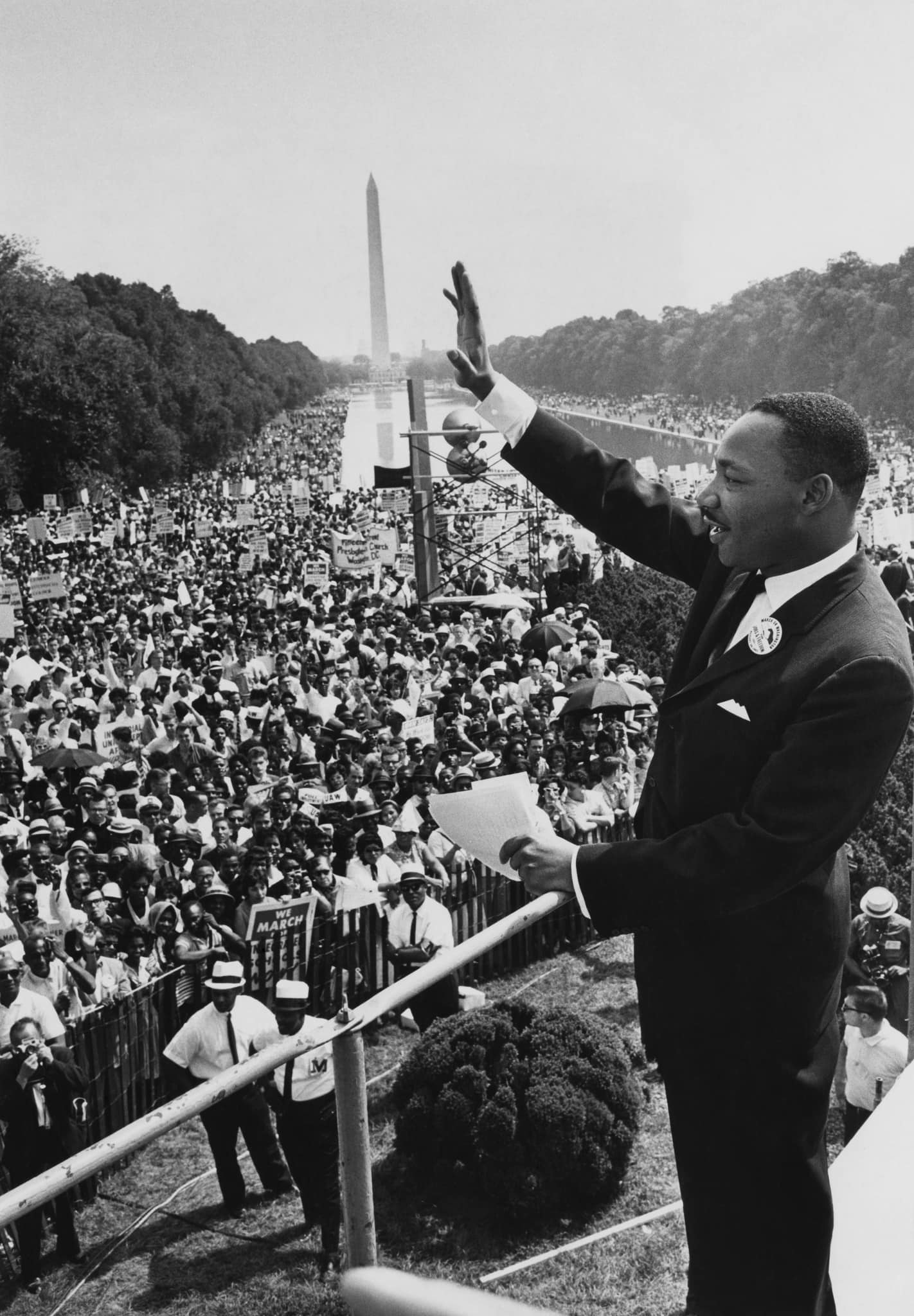
Martin Luther King Jr. Day is now observed across the United States each January, but its journey to becoming a federal holiday was long, contested, and deeply rooted in the legacy of the civil rights movement.
From Tragedy to Tribute (1968-1970s)
After King's assassination in 1968, calls to honor his life and work began almost immediately. Supporters believed his leadership in nonviolent resistance, racial justice, and moral reform merited national recognition. Just days after his death, legislation to establish a federal holiday in his honor was introduced in Congress - but momentum was slow.
Opposition came from several fronts. Critics questioned the cost of an additional federal holiday, while others resisted elevating a civil rights leader to the same status as figures like Washington and Lincoln. Some lawmakers also challenged King's political positions, revealing how deeply divided the nation still was over civil rights.
Grassroots Pressure and National Advocacy
The push gained strength through sustained grassroots activism. Coretta Scott King, King's widow, emerged as the movement's most influential advocate, tirelessly lobbying Congress and mobilizing public support. Civil rights organizations, faith leaders, unions, and students joined the effort.
Cultural influence played a major role as well. Musician Stevie Wonder released the song "Happy Birthday" in 1980, which became an unofficial anthem for the campaign and helped bring the issue into popular culture. Millions signed petitions, and rallies were held nationwide.
Congressional Approval and Presidential Signature (1983)
After more than 15 years of debate, Congress finally passed the bill in 1983. Later that year, President Ronald Reagan signed legislation officially establishing Martin Luther King Jr. Day as a federal holiday, to be observed on the third Monday of January, near King's birthday (January 15).
The signing marked a historic acknowledgment of King's moral and spiritual influence on American democracy, even as some resistance lingered.
First Observance and State Adoption (1986-2000)
The first federal observance took place in 1986. However, not all states immediately recognized the holiday. Some resisted for years, and others combined it with separate observances. It wasn't until 2000 that all 50 states formally recognized Martin Luther King Jr. Day.
A Day of Reflection and Service
Today, MLK Day is unique among federal holidays. It is designated as a national day of service, encouraging Americans not only to remember King's words but to embody his vision through acts of justice, compassion, and community engagement.
What began as a contested proposal ultimately became a national affirmation that King's faith-driven commitment to equality, nonviolence, and human dignity remains central to the American story.


