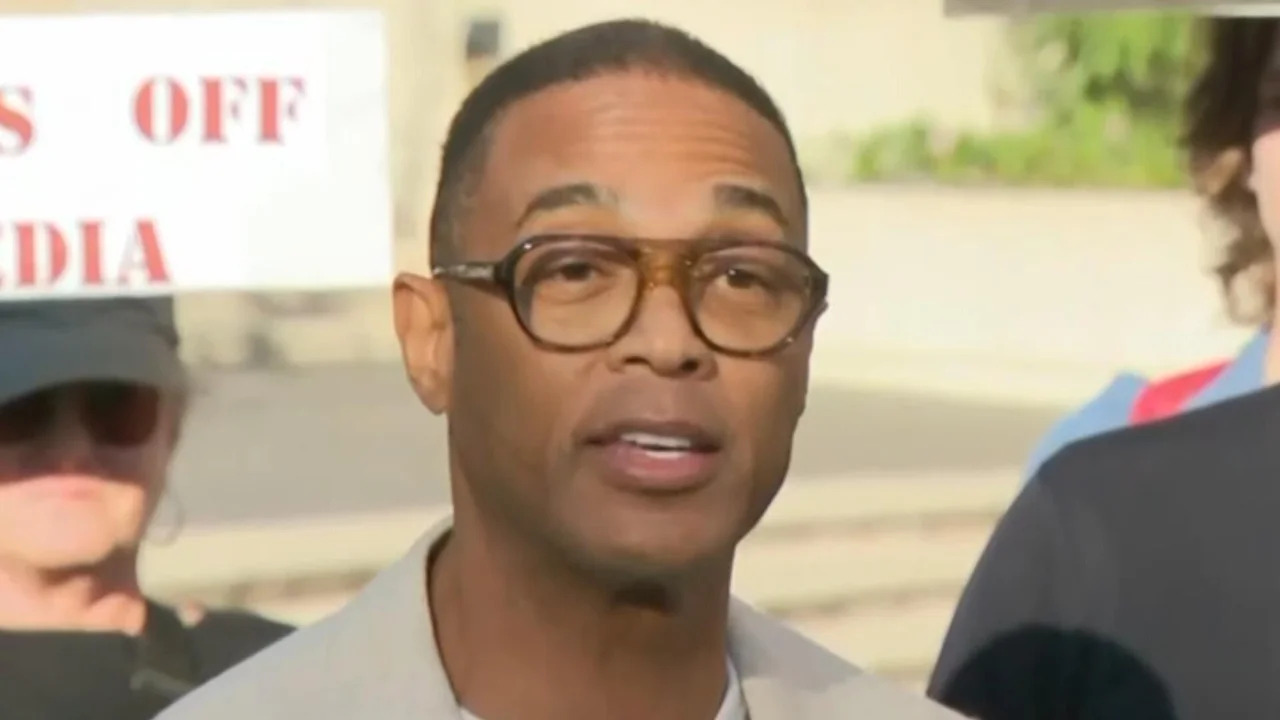
Former CNN anchor and independent journalist Don Lemon was taken into federal custody in Los Angeles while in town covering Grammy-related events. But the arrest, though unexpected on the red carpet, was not related to the music industry. Instead, it stemmed from an incident nearly two weeks earlier at a Minnesota church. Here's what we know about the case - and what comes next.
What Happened at the Minnesota Church Protest?
On January 18, 2026, a group of protesters entered Cities Church in St. Paul, Minnesota during a Sunday worship service. The group voiced opposition to U.S. Immigration and Customs Enforcement (ICE) and what they claimed were ties between church leadership and federal immigration authorities. They chanted in the sanctuary and briefly disrupted the service while congregants were present.
Don Lemon, who had traveled to the Twin Cities to report on civil rights and immigration issues, livestreamed the protest, interviewed participants and church members, and later shared footage online. In statements, Lemon emphasized that he was there solely as a journalist documenting a newsworthy event.
What Are the Federal Charges?
On January 29, federal agents - including from the FBI and Department of Homeland Security - arrested Lemon at a Beverly Hills hotel. He was later indicted by a federal grand jury alongside several others.
According to court filings, the charges include:
-
Conspiracy to Deprive Rights: A federal civil rights statute used in cases where individuals are accused of working together to interfere with constitutional rights.
-
Violation of the FACE Act (Freedom of Access to Clinic Entrances Act): Although commonly associated with healthcare facility access, the law also protects access to places of religious worship. Prosecutors allege that the protest - including the occupation of the church sanctuary - interfered with attendees' ability to freely worship.
In the indictment, federal prosecutors claim that the defendants, including Lemon, "oppressed, threatened, and intimidated congregants and church leaders."
Lemon's Response: "This Is About Press Freedom"
Lemon and his legal team have strongly denied any wrongdoing. In a public statement, Lemon's attorney said:
"Don has been a journalist for 30 years. His constitutionally protected work in Minneapolis was no different than what he has always done."
Lemon has insisted that he neither organized nor participated in the protest and that his presence was part of his role as a reporter. He called the charges "an attack on freedom of the press."
What Happens Next?
A federal judge released Lemon without bail following his court appearance on January 30 in Los Angeles. His next scheduled appearance will take place in federal court in Minneapolis, where he will face the charges formally.
Civil liberties groups and press freedom advocates - including organizations such as the Reporters Committee for Freedom of the Press - have voiced concern about the case, warning that criminally prosecuting journalists for covering protests could set a dangerous precedent.
"We are watching this case very closely," said one legal analyst. "There's a fine line between participating in a protest and documenting it. This case could help define that boundary."


