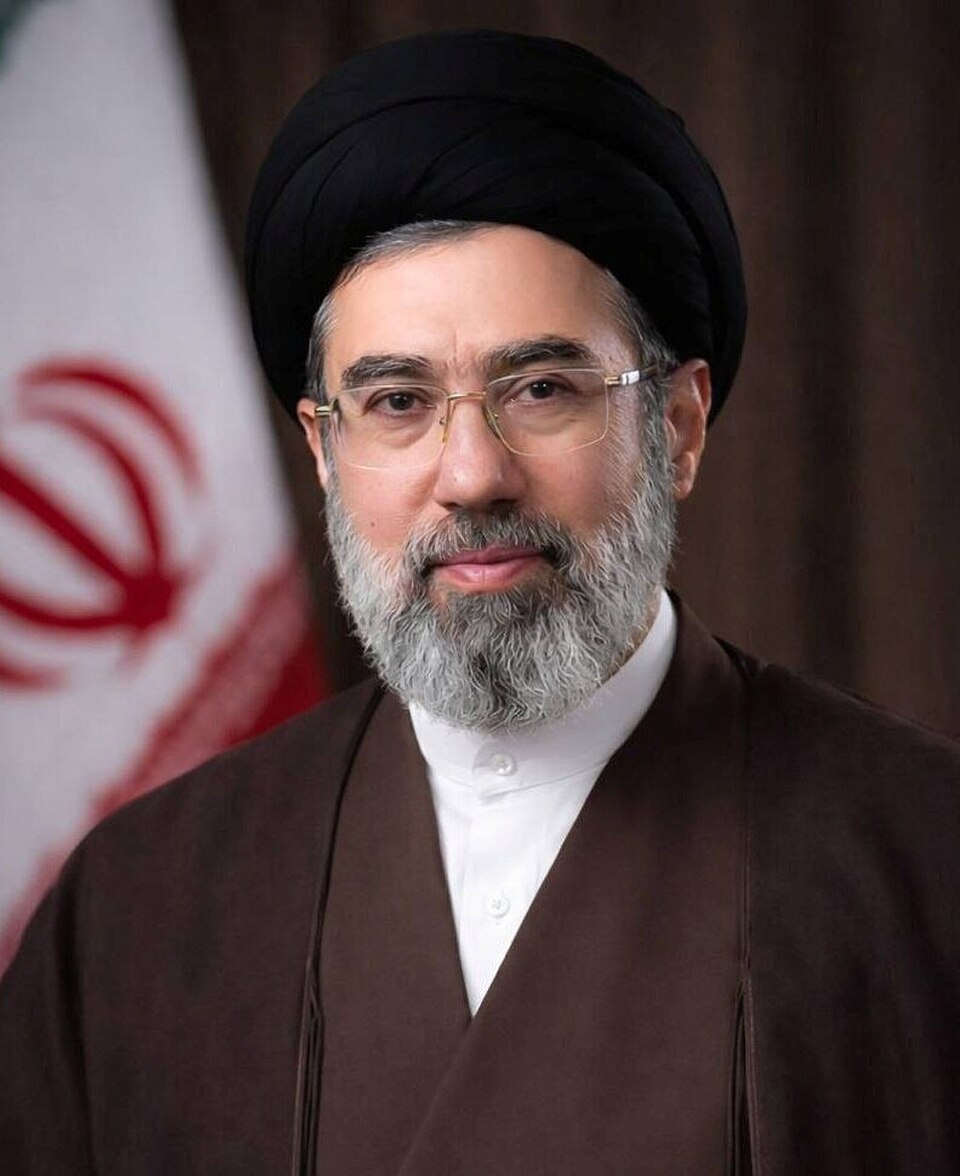
Iran has appointed Mojtaba Khamenei as its new supreme leader, following the death of his father, Ayatollah Ali Khamenei, during the opening phase of the ongoing conflict involving Iran, Israel, and the United States. The decision was announced by Iran's Assembly of Experts, the clerical body responsible for selecting the country's highest authority.
The appointment places Mojtaba Khamenei, a 56-year-old cleric who has long operated behind the scenes of Iran's political system, at the center of power during one of the most volatile periods in the region in years.
Ali Khamenei had led Iran since 1989, making him one of the longest-serving political figures in the Middle East. His death in recent military strikes created an urgent leadership vacuum in the Islamic Republic. Iranian institutions moved quickly to fill that gap, presenting Mojtaba's selection as a signal that the country's governing structure remains intact despite the escalating conflict.
A Leader with Close Ties to Iran's Power Centers
Although Mojtaba Khamenei has rarely appeared in public political roles, analysts say he has held significant influence for years within Iran's religious networks and security institutions, including connections with the powerful Islamic Revolutionary Guard Corps (IRGC).
Because the supreme leader holds the final authority over Iran's armed forces, foreign policy, and nuclear strategy, Mojtaba's new position gives him enormous influence over how the country responds to the current regional crisis.
Some observers see the decision as an attempt to ensure continuity within Iran's leadership, especially during wartime. Officials and military leaders inside Iran quickly issued statements pledging loyalty to the new leader, emphasizing unity as missile and drone exchanges continue across the Middle East.
Regional Conflict and Global Concerns
The leadership transition comes as fighting spreads across several parts of the region. Strikes and counterstrikes involving Iran, Israel, and allied groups have been reported in multiple countries, including Lebanon, Iraq, and Bahrain.
The broader conflict has also shaken global markets. Oil prices surged above $100 a barrel, the highest levels in years, as disruptions around the Strait of Hormuz - a key route for global energy shipments - raised concerns about supply.
Because Iran plays a central role in regional politics and energy markets, the appointment of a new supreme leader during wartime has drawn close attention from governments around the world.
International Reaction
The leadership change has already triggered strong responses from several international leaders. U.S. President Donald Trump had previously criticized the idea of Mojtaba Khamenei taking power, while Israeli officials warned that Iran's leadership remains a central target in the ongoing conflict.
At the same time, religious leaders have expressed concern about the broader consequences of the war. Pope Leo warned that the growing atmosphere of fear and hostility in the region could lead to a humanitarian tragedy and called for prayer and dialogue to end the violence.
A Historic and Controversial Transition
Mojtaba Khamenei's appointment is also notable because it marks a rare father-to-son succession in Iran's modern political system. The Islamic Republic was founded after the 1979 revolution that overthrew a hereditary monarchy, and some critics argue that passing power within a family could raise questions about the direction of the system.
Supporters of the decision, however, say Mojtaba had long been prepared for leadership and understands the political and religious framework established by the revolution and maintained by his father.
What Comes Next
With the war continuing and tensions rising across the region, Mojtaba Khamenei now faces immediate challenges that will shape Iran's future and influence global stability.
His leadership will likely affect key issues including Iran's military strategy, relations with Western countries, and the direction of its nuclear program. For many around the world, the question now is not only who leads Iran, but how the new leader will navigate one of the most dangerous moments in the region's recent history.
As the situation continues to develop, world leaders and observers are watching closely to see whether the transition in Tehran leads to further escalation - or opens the door to diplomacy and eventual peace.
Related Article: Iran's Assembly of Experts Reportedly Chooses Ali Khamenei's Son Mojtaba


![Majesty (Here I Am) [Official Live Session] --- Stu Garrard & Darlene Zschech](https://jubileecast-29b4.kxcdn.com/data/videos/thumbnail/1147/majesty-here-i-am-official-live-session-stu-garrard-darlene-zschech.jpg?w=436&h=265&l=50&t=10)


