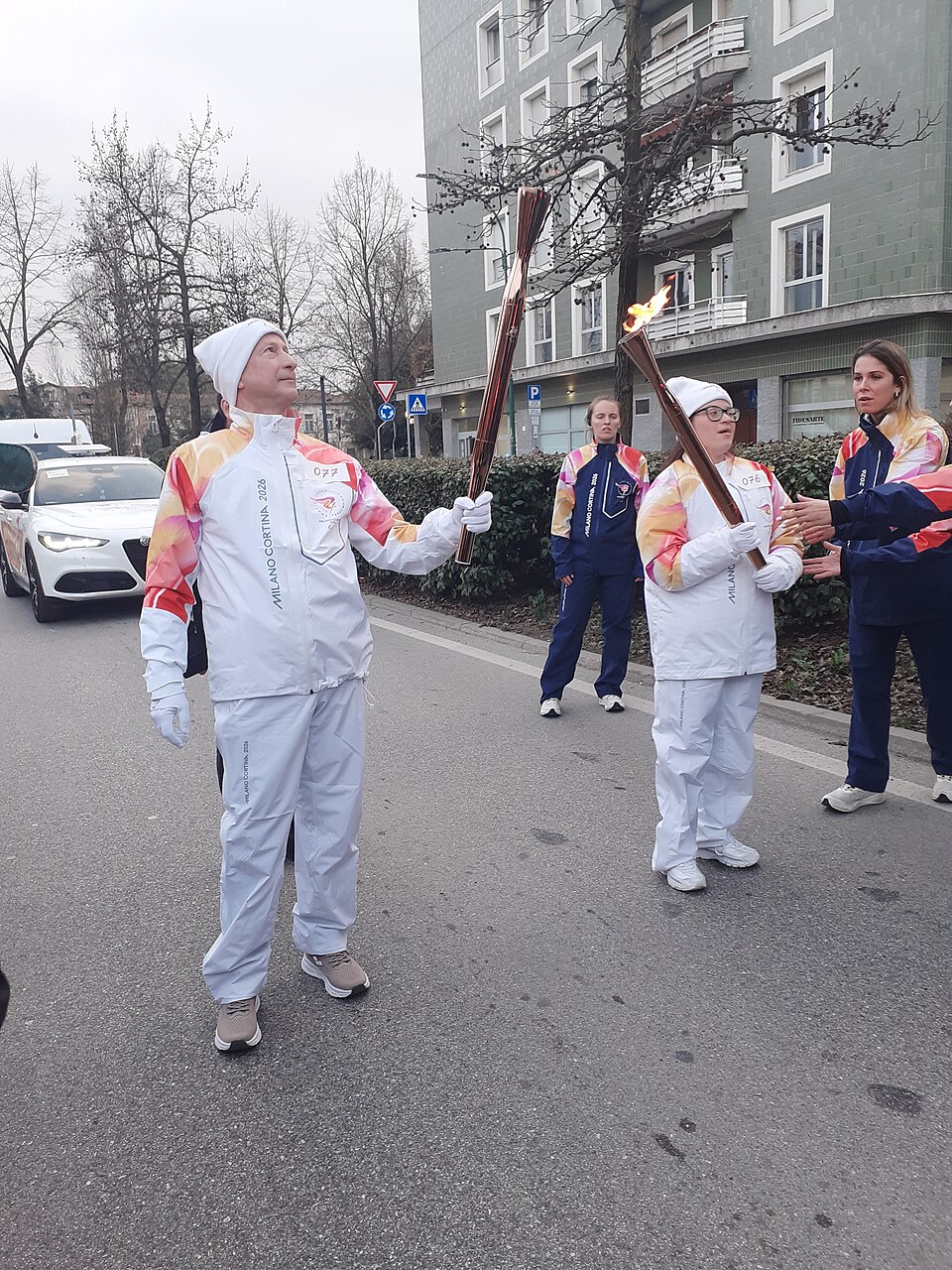
As the Winter Paralympics 2026 continue in Milano Cortina, Italy, athletes and supporters around the world are speaking out about what they say is a disappointing lack of media coverage for the international sporting event.
While the Winter Olympics earlier this year received extensive attention across television networks, digital platforms, and social media, many Paralympians say the Winter Paralympic Games are struggling to receive the same level of visibility. For fans hoping to follow the competitions, coverage in many countries has largely been limited to highlights programs or streaming platforms rather than widespread live broadcasts.
Athletes argue that this lack of exposure not only limits public awareness of their achievements but also undermines the broader progress that the Paralympic movement has made over the past decade.
Among those raising concerns is American Paralympic gold medallist Hunter Woodhall, who recently used social media to criticize the limited access to coverage of the Winter Games. In a video shared online, Woodhall said he was disappointed with what he described as a lack of effort from broadcasters when it comes to promoting the competition.
Woodhall compared the current situation to the 2024 Paris Paralympics, where expanded television coverage helped introduce Paralympic athletes to a much larger global audience.
"That experience was incredible," he said, referring to the Paris Games. "But this time around it feels like they're not even trying."
The athlete also emphasized that many Paralympians already face significant challenges and discrimination in everyday life, and that limited media attention can add to the sense that their achievements are overlooked.
His comments quickly resonated with athletes and supporters around the world. British para powerlifter Louise Sugden responded to Woodhall's remarks by saying that Paralympians work tirelessly to compete at the highest levels of sport and deserve stronger recognition.
Advocates say visibility is essential not only for celebrating elite athletes but also for encouraging future generations of competitors with disabilities.
"Paralympians are elite athletes," said Alana Baldi of My Ability Sports Media, who has also expressed frustration about the difficulty of accessing consistent coverage of the Games in Australia. "These athletes deserve the same visibility, recognition and national celebration as their Olympic counterparts."
In Australia, the official broadcaster Channel Nine has been airing a 90-minute daily highlights program, while most live coverage of the Games is available through streaming platforms. For some viewers without access to streaming devices or smart televisions, however, watching the events in real time has been challenging.
The debate over media exposure for the Paralympics is not new. When the Paralympic Games first began in 1960, television coverage was almost nonexistent. Over the decades, however, growing interest from audiences helped gradually expand media attention.
A major turning point came during the London 2012 Paralympics, when broadcaster Channel 4 dramatically increased its coverage of the Summer Games. The expanded programming helped turn several Paralympic athletes into household names and significantly elevated the visibility of Paralympic sport.
While the Summer Paralympics have seen significant progress since then, many athletes say the Winter Games still struggle to attract the same level of attention.
Former Paralympic swimmer Kate Bailey has warned that the lack of coverage could discourage young athletes with disabilities who look to the Games as a source of inspiration.
"The reporting we've seen is heartbreaking," Bailey said. "I worry about the message it sends to young athletes with disability."
Other Paralympians acknowledge that the Winter Games involve smaller teams and fewer events than the Summer Games, but they argue that this should not result in reduced exposure.
Paralympic gold medallist Nikki Ayers said the achievements of winter athletes-from alpine skiing to snowboarding-deserve the same recognition and celebration as those competing in the summer sports.
Despite the criticism, many athletes remain hopeful that the conversation surrounding media coverage will ultimately lead to greater visibility for future Winter Paralympic competitions.
For fans around the world, the Games continue to showcase powerful stories of perseverance, resilience, and determination. For many people of faith, the Paralympics also serve as a reminder that every individual possesses unique gifts and abilities that deserve to be celebrated.
As the Winter Paralympics 2026 continue in Milano Cortina, athletes and supporters alike are hoping that the spotlight on these extraordinary competitors will continue to grow in the years ahead.


