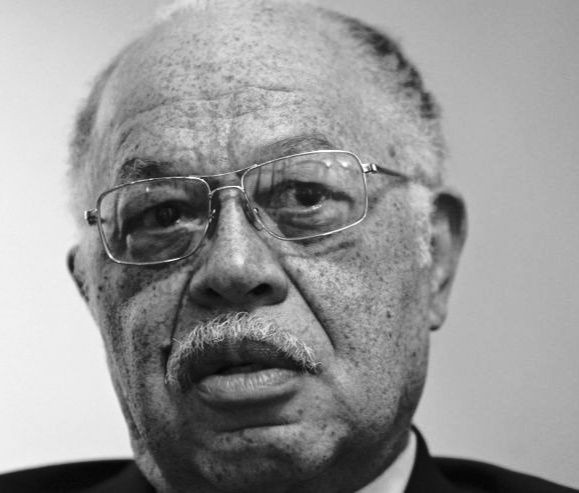
Kermit Gosnell, the former abortion provider whose 2013 murder convictions shocked the nation and ignited widespread debate over abortion practices and oversight, has died at the age of 85 while serving a life sentence in prison.
According to multiple reports, Gosnell died on March 1, 2026, at a hospital outside the Pennsylvania prison system where he had been incarcerated. A cause of death has not been publicly disclosed.
Gosnell was serving life in prison without parole after being convicted of first-degree murder in the deaths of three infants who were born alive during illegal late-term abortion procedures at his West Philadelphia clinic. He was also convicted of involuntary manslaughter in the 2009 death of a patient who died following an abortion procedure.
The case drew national attention after a 2010 investigation-initially focused on illegal prescription drug activity-uncovered what authorities described as deeply disturbing and unsafe conditions inside his facility. The clinic, later widely referred to as a "house of horrors," contained unsanitary equipment, improperly stored remains, and evidence of illegal medical practices.
During the 2013 trial, former staff testified that Gosnell routinely performed abortions beyond Pennsylvania's legal limit and that babies born alive were subsequently killed by severing their spinal cords, a practice described in court testimony. Gosnell's defense argued that the infants were not born alive, a claim rejected by the jury.
Beyond the murder convictions, Gosnell faced numerous additional charges, including violations of abortion laws and federal drug offenses tied to the illegal distribution of controlled substances. He later received an additional sentence related to those crimes.
The fallout from the case exposed significant failures in regulatory oversight. Investigations revealed that Pennsylvania health authorities had not conducted routine inspections of abortion clinics for more than a decade prior to the discovery of Gosnell's facility. The scandal led to the dismissal of state officials and the implementation of stricter regulations governing clinic safety and oversight.
Gosnell's case became a defining flashpoint in the national conversation surrounding abortion, healthcare regulation, and patient safety, with strong reactions across the political and religious spectrum. For many, it underscored concerns about oversight failures and the need for accountability within medical and regulatory systems.
At the time of his death, Gosnell remained one of the most controversial figures in modern American medical and legal history, with his crimes continuing to be cited in ongoing debates about ethics, law, and the protection of vulnerable lives.


![At The Meeting (Live) [Official Lyric Video] --- Kelontae Gavin](https://jubileecast-29b4.kxcdn.com/data/videos/thumbnail/1227/at-the-meeting-live-official-lyric-video-kelontae-gavin.jpg?w=436&h=265&l=50&t=10)


