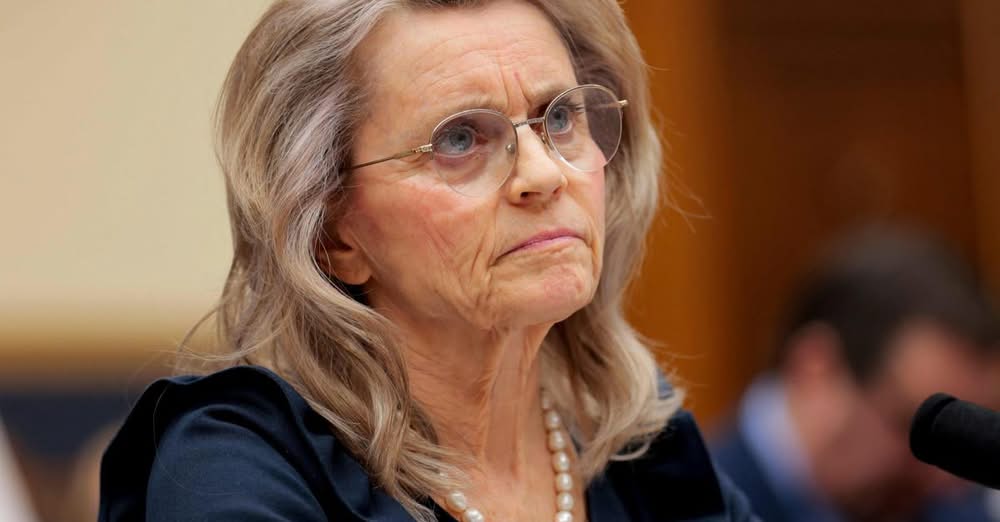
A landmark ruling out of Finland is sending shockwaves across the globe after the nation's high court found Päivi Räsänen guilty in a closely watched case centered on her public expression of biblical beliefs.
The decision, first reported by The Christian Post, has quickly become a flashpoint in the ongoing global conversation surrounding religious freedom, free speech, and the limits of public discourse in modern society.
Räsänen, a veteran member of Finland's parliament and former interior minister, has been embroiled in a years-long legal battle after sharing traditional Christian teachings on sexuality in public forums. What began as a national case has now evolved into an international symbol of the tensions between deeply held religious convictions and evolving cultural and legal standards in Europe.
Supporters of Räsänen argue that the ruling represents a significant challenge to freedom of religion and expression, warning that it could set a precedent where individuals may face legal consequences for articulating their faith-based views. Many see the case as part of a broader trend in Western societies, where questions about the role of Christianity in public life are increasingly contested.
On the other hand, critics maintain that laws governing speech must protect individuals and communities from harm, emphasizing the responsibility to balance personal belief with public accountability. The case has therefore become a focal point for competing visions of justice, tolerance, and the boundaries of acceptable speech.
The implications of the ruling extend far beyond Finland. Legal experts and religious leaders around the world are closely watching how this decision might influence similar cases in other nations, particularly across Europe where hate speech legislation continues to evolve. For many, the outcome raises pressing questions: Can biblical convictions be freely expressed in the public square? And where should the line be drawn between belief and law?
As reactions continue to pour in from across political, legal, and faith communities, the case of Päivi Räsänen stands as one of the most significant and controversial religious freedom debates in recent years-one that is likely to shape conversations about faith, law, and liberty for years to come.


