The World Already Celebrated Easter. Orthodox Christians Are Just Getting Started.
Western Christians celebrated Easter Sunday on April 5. But for hundreds of millions of Orthodox believers - across Greece, Russia, Romania, Ukraine, Egypt, Ethiopia, and their diaspora communities around the world - the most sacred day of the year is still coming.
Orthodox Easter, known as Pascha, falls on Sunday, April 12, 2026. If you want to understand what that day actually looks like - not just why the date is different, but what happens inside those churches - here is everything you need to know.
It Begins in Total Darkness
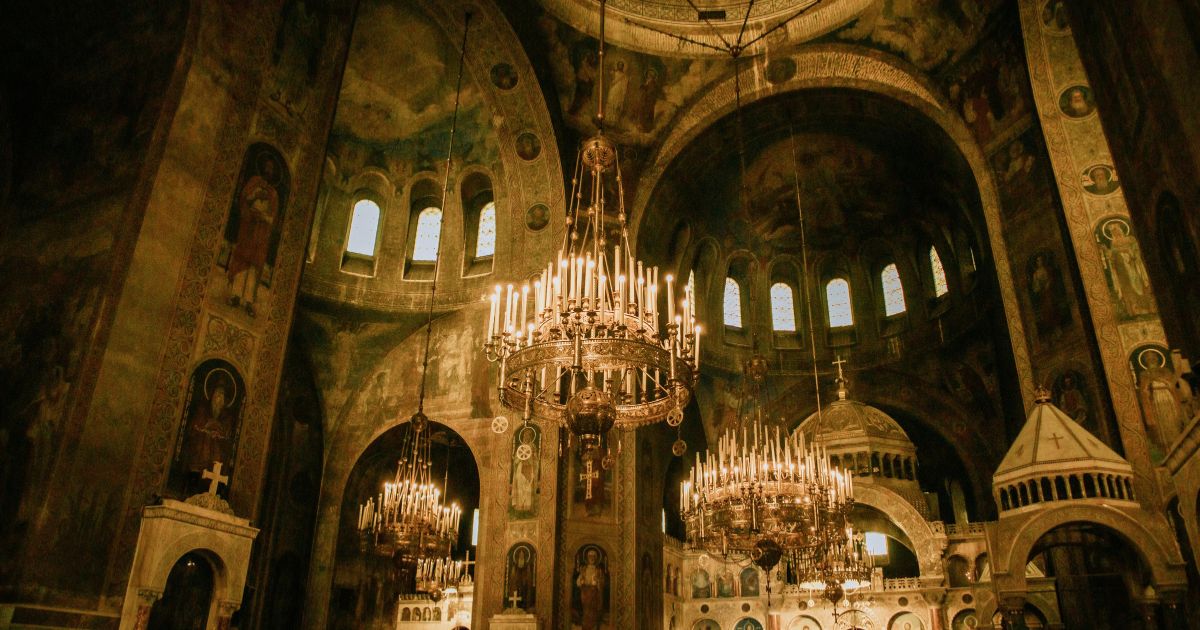
The center of Orthodox Easter is the midnight Resurrection service. On Holy Saturday night, the church is completely darkened. The congregation gathers in silence and stillness. Then, just before midnight, the priest lights a single candle - representing the light of Christ rising from the tomb - and the flame is passed from person to person through the entire congregation until the building is filled with light.
At midnight, the priest steps forward and makes the proclamation that defines the entire Orthodox faith: "Christos Anesti" - Christ is risen. The congregation responds: "Alithos Anesti" - truly He is risen. This hymn echoes from church courtyards to family kitchens, from Athens and Thessaloniki to Melbourne, Toronto, New York, and Philadelphia.
The Divine Liturgy follows, and to Orthodox Christians, receiving communion on Easter Sunday is considered deeply important - many parishes commune all Orthodox Christians in attendance.
The Red Eggs, the Lamb, and the Feast
After weeks of strict fasting - Orthodox Great Lent lasts 48 days, during which the faithful abstain from meat, dairy, eggs, and often fish - Easter morning arrives as an explosion of celebration and food.
Red eggs are the most universal symbol of Orthodox Easter. Dyed red to represent the blood of Christ and new life, they are the subject of a particular tradition: each guest taps one against their neighbor's while saying "Christ is risen" - the one whose egg remains intact is considered blessed for the coming year.
The Paschal lamb is roasted whole and shared with family on Sunday morning after Mass. Easter bread takes different forms by country - kulich in Russia, tsoureki in Greece, cozonac in Romania - but each is fragrant, blessed at church, and broken together at the table.
The Same Declaration, Everywhere
Orthodox Easter is celebrated by millions worldwide, including in Greece, Russia, Ukraine, Serbia, Bulgaria, Romania, and Ethiopia. Each culture brings its own customs, but the central theme remains universal: the resurrection of Jesus Christ.
The dates differ. The declaration does not. Christos Anesti. He is risen - and for Orthodox Christians around the world, that truth is worth celebrating twice.
Orthodox Easter is April 12, 2026. The candles are coming.
Related Article: Orthodox Easter 2026 Falls on April 12


