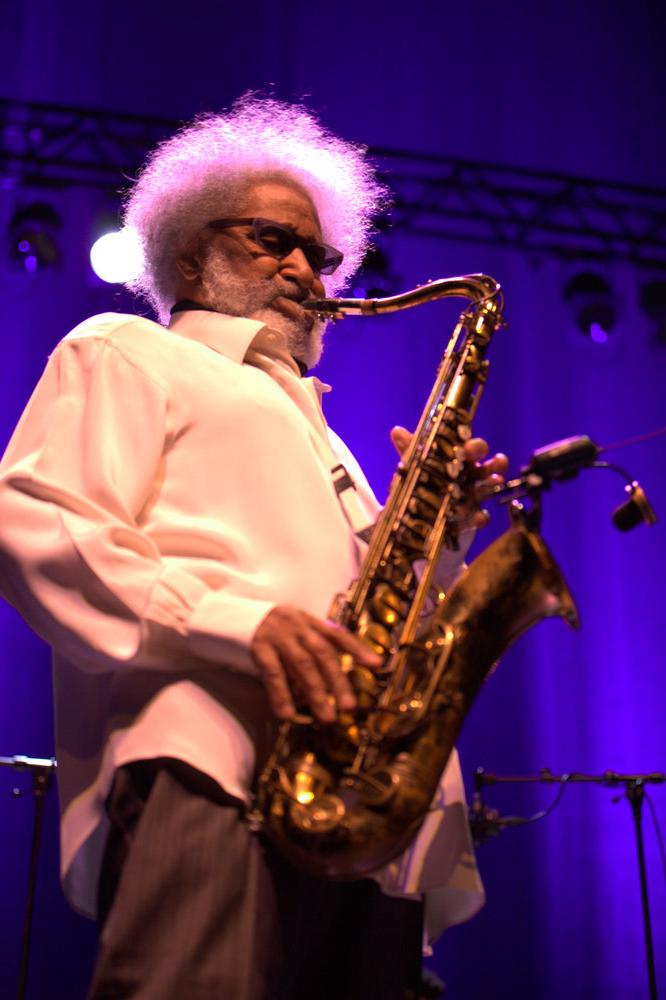
The world woke up Tuesday morning still processing the loss of Sonny Rollins, who died Monday at his home in Woodstock, New York, at the age of 95. But beyond the accolades and the album titles, there is a story that deserves to be told on its own - the story of how this man endured, what he believed, and why he kept going long after the music stopped.
A Redemption Story Decades Before It Was Fashionable
Like many jazz musicians in the late 1940s and early 1950s, Rollins' rising star almost faded when he became hooked on heroin at the age of 19. He served two stints in jail - in 1950 and again in 1953. At a recording session that year, none other than Charlie Parker urged the young saxophonist to clean up his life. Rollins listened. He checked himself into a federal treatment facility in Kentucky and came out the other side - not just sober, but transformed. What followed was one of the most remarkable second acts in music history.
When the Horn Went Silent, the Spirit Didn't
In 2012, Rollins played what would be his last concert. Two years later, he revealed his retirement from music due to pulmonary fibrosis. "My main problem is that I can't blow my horn anymore. I'm surviving, but my problem is I can't blow my horn," he told The New Yorker.
But even in that silence, Rollins found peace - and he was clear about where it came from. "When I had to stop playing it was quite traumatic," he said. "But I realized that instead of lamenting and crying, I should be grateful for the fact that I was able to do music all of my life. So I had that realization, plus my spiritual beliefs, which I've been cultivating for many years. All that work went into my accepting the fact that I couldn't play my horn."
Even then, he held onto hope. "I still have hopes of improving and sounding better and making a better record," he told Jazz Times in 2020. "Hope burns eternal."
Something Bigger
Perhaps the most striking thing Rollins ever said about music came not from a stage, but from a quiet afternoon outdoors. "I played a couple of concerts early on where I was out in the open in the afternoon," he told The New York Times in 2020. "I was able to look up in the sky, and I felt a communication; I felt that I was part of something. Not the crowd. Something bigger."
That sense of something bigger never left him. The statement released upon his death included words he had spoken years before: "I think when the creative person ends, he continues in the next existence. I'm a person who believes this life isn't the be-all and end-all of everything. A spiritual person doesn't feel like that."
A man who spent 70 years chasing something transcendent through music - and who believed, with conviction, that the music did not end when the body did.
Rest well, Sonny Rollins. You already knew something greater was waiting.
Related Article: Sonny Rollins, the Saxophone Colossus Who Changed Jazz Forever, Dies at 95


![Majesty (Here I Am) [Official Live Session] --- Stu Garrard & Darlene Zschech](https://jubileecast-29b4.kxcdn.com/data/videos/thumbnail/1147/majesty-here-i-am-official-live-session-stu-garrard-darlene-zschech.jpg?w=436&h=265&l=50&t=10)


