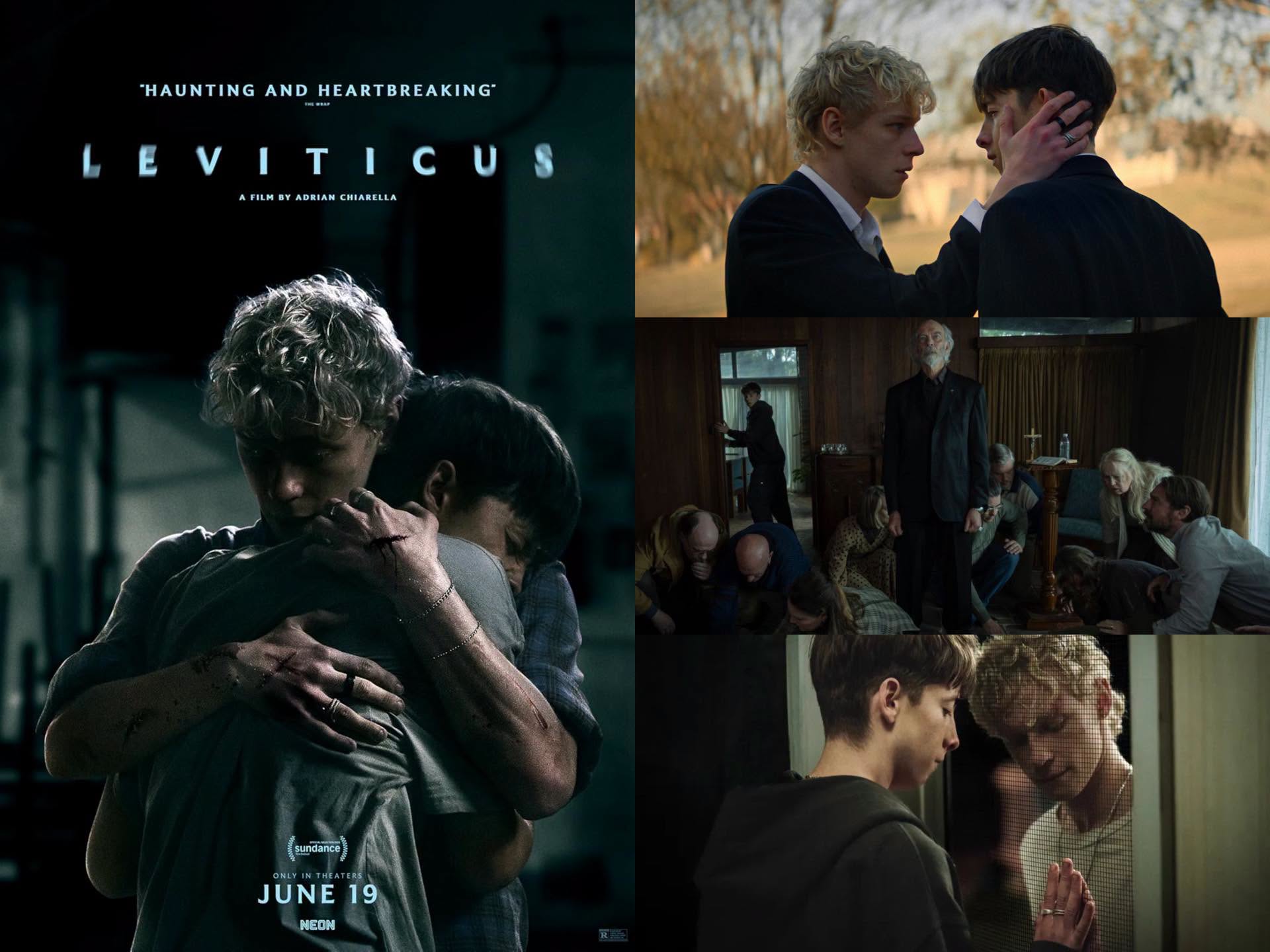
A new horror movie hasn't even fully hit theaters yet, and it's already igniting one of the year's most heated culture-war debates.
The film, Leviticus, is being promoted as a supernatural horror story, but many Christians believe there's something much bigger lurking beneath the surface. Critics are accusing Hollywood of using the movie to attack biblical Christianity, traditional sexual ethics, and people of faith.
Among those raising concerns is Christian apologist Abdu Murray, who recently blasted the film's message in an interview with CBN News.
"This movie is a not-so-veiled attempt to basically take a broad brush swipe at all of Christianity," Murray said.
And that's exactly why the controversy is exploding.
The movie follows two teenage boys living in a conservative Christian community who begin a romantic relationship while facing pressure from family, church leaders, and a mysterious supernatural force. According to the filmmakers, the horror elements are meant to symbolize shame, fear, and religious repression.
But critics say that's only part of the story.
Many believers have pointed to the film's title-Leviticus-as evidence that the project is taking direct aim at biblical teaching. The Old Testament book is frequently cited in modern debates surrounding sexuality, leading some Christians to argue that the movie intentionally frames historic biblical beliefs as frightening, harmful, or oppressive.
Supporters of the film see it very differently. They argue that Leviticus is a critique of conversion therapy and religiously motivated mistreatment rather than Christianity itself.
Still, that explanation isn't satisfying many faith leaders, who contend that the movie paints traditional believers with the same brush as abusive extremists.
The result? A full-blown controversy that is generating almost as much attention as the movie itself.
As Hollywood increasingly tackles issues of faith and sexuality, Leviticus is becoming the latest battleground in a larger cultural conversation. Is it exposing harmful behavior? Or is it demonizing biblical convictions?
One thing is certain: people are talking.
And for a horror movie named after one of the Bible's most controversial books, that may have been the plan all along.


