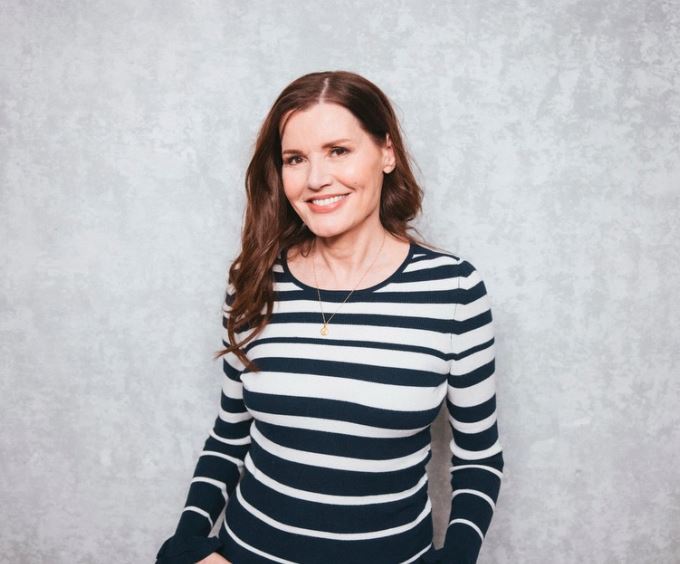
Geena Davis built a career on defying expectations - and one of Hollywood's more baffling contradictions came the night she won her first Oscar.
Before her 1989 Best Supporting Actress win for "The Accidental Tourist," Davis recalled watching TV coverage the night of the ceremony as critics debated her chances. Roger Ebert reportedly said she'd been miscast because she was "too pretty" for a role written as an unattractive character. Rex Reed disagreed just as bluntly, calling her looks unremarkable. Davis, listening in real time, later joked she couldn't win either way - too pretty for some, not pretty enough for others.
It's a moment Davis has revisited in interviews over the years as she's built one of Hollywood's most recognizable careers, from "Tootsie" and "Beetlejuice" to her career-defining role in "Thelma & Louise." That 1991 film remains a lightning rod even decades later, with critics still debating whether its story of two women fighting back against their abusers amounts to empowerment or "male bashing" - a label Davis has pushed back on publicly.
Long before Hollywood weighed in on her looks or her roles, Davis was shaped by a quieter influence: her faith. Raised in a Congregationalist household in Wareham, Massachusetts, she grew up with a father who served as a church deacon and spent her teenage years playing pipe organ during services. That grounding, she's said, stayed with her long after she left small-town New England for the spotlight - a reminder that identity built outside the industry's judgment can outlast whatever the industry decides to say about you.
Now in her seventh decade on screen, most recently appearing in Netflix's "The Boroughs," Davis continues to be defined less by any one critic's verdict and more by the roles - and convictions - she's chosen to stand behind.


