Long before it became a staple of modern worship, "Be Thou My Vision" began as a prayer in a language almost no one speaks anymore.
The hymn's text comes from an Old Irish poem, "Rop tú mo baile," traditionally attributed to the sixth-century Irish poet Dallán Forgaill. Forgaill, whose birth name was Eochaidh, earned the nickname "Dallán", meaning "little blind one", after losing his sight. Despite the traditional attribution, the language of the earliest surviving manuscripts points to a later origin, likely the 10th or 11th century, and the oldest known copies of the poem don't survive until centuries after that.
The prayer sat largely forgotten until 1905, when scholar Mary Byrne translated the original Gaelic text into English. Eleanor Hull later shaped Byrne's translation into the verse form known today, publishing it in 1912.
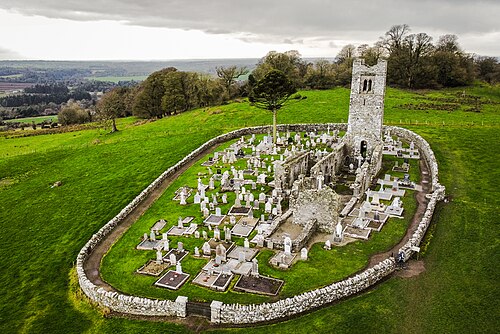
The now-familiar melody, "Slane," is a separate piece of the story entirely, an Irish folk tune first paired with the hymn text in the 1919 Irish Church Hymnal. The name honors a legend of St. Patrick, who defied a royal ban on fires by lighting one atop Slane Hill to mark Easter, an act of quiet defiance that, according to tradition, won him the king's respect rather than his wrath.
More than a thousand years after it was first written, the prayer's core plea hasn't aged a day: for God alone to be the believer's vision, wisdom, and treasure above all else.
The hymn remains a favorite for weddings, funerals and Sunday worship alike, reportedly a favorite of King Charles III, whose coronation service in 2023 featured a newly arranged setting of it.


