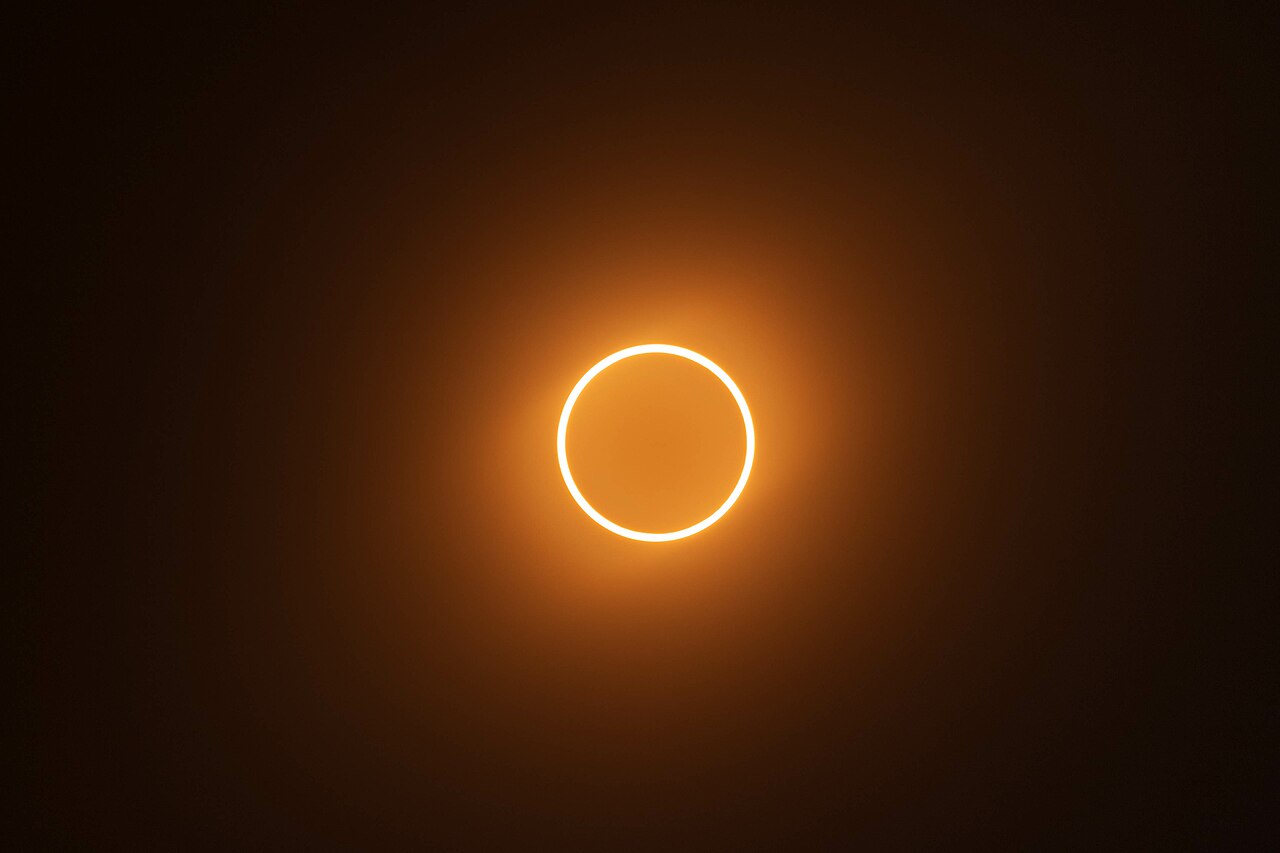
Tomorrow, the moon will completely block the sun for the first time over mainland Europe since 1999 - and scientists say this eclipse will reveal something no one has ever seen before.
The total solar eclipse on August 12 will trace a narrow path of totality across Greenland, Iceland, and northern Spain, briefly turning day into twilight and exposing the sun's outer atmosphere, known as the corona. Millions more across Europe, along with parts of the northeastern U.S. and eastern Canada, will see a partial eclipse instead.
What makes this eclipse unusual is timing. The sun's activity currently sits between solar maximum and minimum - not quite as intense as the sunspot-heavy corona seen during 2024's eclipse, but far more active than a quiet-sun eclipse would show. Scientists say that puts this year's corona in genuinely uncharted territory, its exact shape depending on solar activity in the days immediately before totality.
NASA will begin live coverage at 1:15 p.m. EDT on August 12, streaming on NASA+, its website, and social media, with footage from telescopes across the eclipse path and a high-altitude research aircraft chasing the moon's shadow. Totality begins over Iceland at 1:45 p.m. EDT and reaches Spain by 2:28 p.m. EDT, with the partial eclipse peaking around 1:36 p.m. EDT for viewers across the northern U.S.
Anyone watching outside the path of totality still needs certified solar eclipse glasses - regular sunglasses are not safe for viewing any part of the event except the brief seconds of full totality itself.
For many believers, moments like these are a reminder that the same precise design holding sun, moon, and earth in perfect alignment is the same order the psalmist pointed to as evidence of a Creator's hand.
Whether you're watching from the path of totality or catching NASA's livestream from home, tomorrow's eclipse is a rare chance to witness something genuinely new - not just for you, but for science itself.
Related Articles:
- Total Solar Eclipse 2026: Exact Times, Where It Will Be Visible, and Why It Won't Reach the U.S.
- The Solar Eclipse Mystery Scientists Still Can't Explain: And You Might See It in 3 Days
- One Month Until the Total Solar Eclipse: Is It a "Sign of the Times," or Just the Sky Doing What It Always Does?
- Could Wildfires Ruin the Big August 12 Solar Eclipse? Here's What Scientists Are Saying


