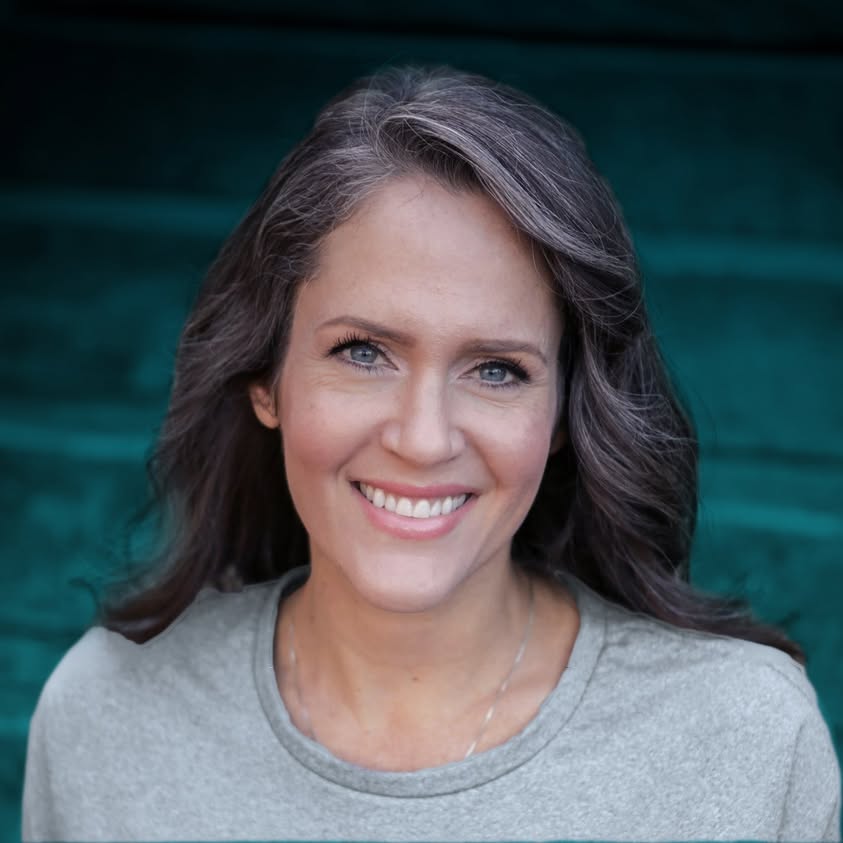
Alisa Childers is wading straight into one of Christianity's most emotionally charged debates-and this one is guaranteed to make some churchgoers uncomfortable.
In a new episode of The Alisa Childers Podcast, Childers sat down with author Teasi Cannon to defend the controversial idea of "conditional forgiveness": the belief that Christians are commanded to forgive a repentant offender, but cannot actually complete the act of forgiveness when the person who hurt them refuses to repent. The episode specifically asks whether Christians really must forgive everyone, even abusers who remain unrepentant.
And Cannon didn't soften the headline-grabbing answer.
"The truth is, yes, I would say we don't have to forgive everyone," Cannon said. "We can only forgive repentant offenders, but we are commanded to forgive the repentant."
That statement alone is enough to rattle decades of popular Christian teaching that urges believers to forgive regardless of whether an offender apologizes, changes or even acknowledges what happened.
But Cannon insists her argument isn't giving Christians permission to stew in resentment. She said believers must still reject bitterness, surrender vengeance, love their enemies and pray for those who have abused them. Her distinction is that those commands should not automatically be called "forgiveness."
The debate has apparently gotten ugly.
Childers acknowledged that Cannon has been branded a "heretic" over the position, while Cannon said some critics have attacked her character rather than simply challenging her interpretation. At the same time, Childers stressed that she considers the disagreement to fall within the bounds of Christian orthodoxy rather than constituting heresy.
Cannon's forthcoming book certainly isn't hiding from controversy either. It carries the explosive title Counterfeit Forgiveness: How a Modern Myth Betrays Victims, Protects Abusers, and Corrupts the Gospel. According to the episode description, the pair argue that forgiveness, reconciliation, restoration, justice and trust have too often been collapsed into one theological package when they should remain distinct categories.
Perhaps the most sensitive part of the conversation concerned abuse victims.
Childers and Cannon pushed back against the idea that telling an abused Christian to forgive an unrepentant offender is necessarily the biblical pathway to healing. They argued that a person can release vengeance, resist bitterness and seek emotional healing without declaring an unrepentant offender forgiven.
The discussion also tackled one obvious biblical objection: What about Jesus on the cross?
Luke 23:34 records Jesus praying, "Father, forgive them," as He is crucified-a passage frequently cited as evidence for unconditional forgiveness. Childers noted that the sentence is a recognized textual variant absent from some early manuscripts and argued that an entire doctrine should not rest on one disputed reading. Even assuming the words are original, the discussion then distinguished Jesus praying that the Father forgive His executioners from Jesus personally declaring that repentance is irrelevant.
Childers and Cannon similarly addressed Mark 11:25, where Jesus commands His followers to forgive while praying. Cannon argued that the verse commands forgiveness without supplying a fresh definition of what forgiveness entails, and therefore should be interpreted alongside passages she believes more explicitly connect forgiveness with repentance.
The pair are also pushing back against another accusation-that "conditional forgiveness" is some brand-new theology cooked up for the social media age.
Quite the opposite, Cannon argues. She contends that the modern idea of unilateral, therapeutic forgiveness-where forgiveness becomes primarily an internal exercise performed for one's own emotional freedom-rose alongside twentieth-century therapeutic and self-help culture. Childers described the question as whether therapeutic culture has quietly reshaped what Christians now assume the Bible teaches about forgiveness.
Still, neither woman is proposing an easy escape hatch for people who simply don't want to forgive.
Cannon said refusing to forgive someone who has genuinely repented is sinful, while Childers added that persistent unwillingness to forgive repentant people should cause Christians to examine themselves spiritually. The women also distinguished being willing to forgive from being emotionally ready to do so, especially after horrific abuse.
So the controversy isn't really "forgive or don't forgive."
It's over an even more explosive question: Has modern Christianity been calling something "forgiveness" that the Bible never actually called forgiveness?
With Cannon's book challenging what she describes as "counterfeit forgiveness," and Childers openly backing her central argument, this theological fight probably isn't cooling down anytime soon.


