Prime Cuts: "Mighty Long Way," "High Praise," "On God"
Overall Grade: 4/5
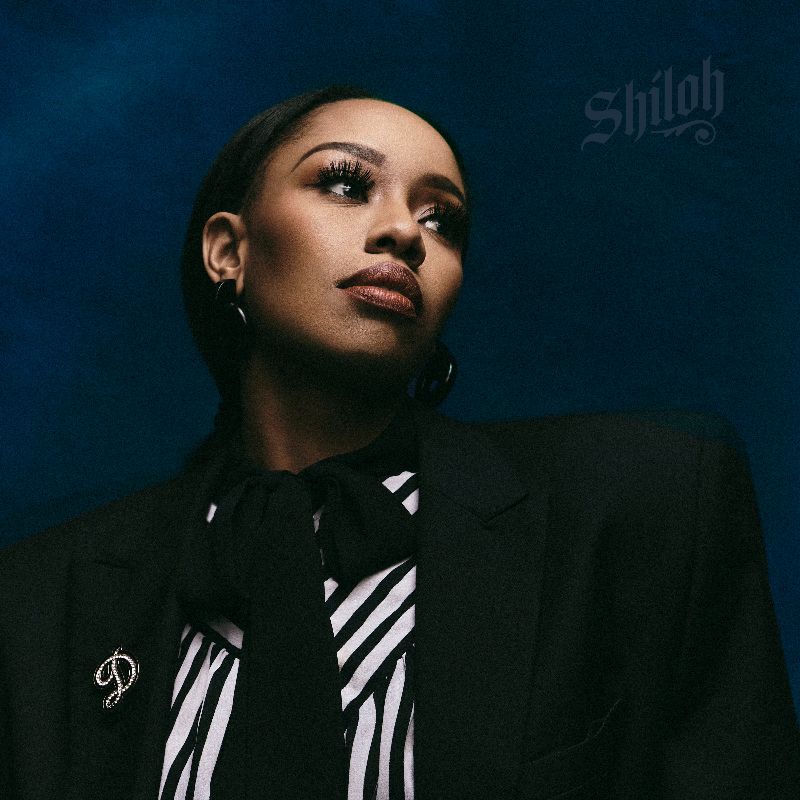
DOE's Shiloh does not simply revisit the church music of her childhood-it recreates the experience of being there. Choirs swell, relatives sing, worship leaders trade lines, and songs gradually move from polished performances into the spontaneous vamps of a Sunday service. It is DOE's most communal album, replacing the introspection of 2024's GRAMMY-winning Heart of a Human with a celebration of faith handed down through generations.
Named partly after DOE's son, Shiloh draws upon a word associated with peace and "the One to whom it belongs." Psalm 22:27-31 supplies the project's theological framework, particularly its vision of one generation proclaiming God's work to another. That idea is not confined to the lyrics. DOE's family members sing background vocals, while her mother, Pastor Kim Jones, joins her on one of the album's most memorable tracks.
"Know Your Name" opens with intimacy rather than spectacle. DOE's vocal approach is conversational and searching, expressing the difference between knowing facts about God and knowing him personally. Its restraint makes it an effective doorway into an album that becomes progressively more expansive.
"Every Second" brightens the atmosphere with a rhythmic expression of continual dependence. The song's buoyancy suits DOE's personality, although its repeated ideas do not cut as deeply as the album's strongest compositions. "I'll See It" is more compelling, placing hope in the space between divine promise and visible fulfilment. DOE sings with the confidence of someone still waiting but already anticipating the testimony.
Then the record goes to church.
"Mighty Long Way," featuring DOE's mother, Kim Jones, is the album's emotional centre and its finest performance. The familiar testimony that God has brought believers "a mighty long way" could easily have become a collection of Gospel clichés. Instead, mother and daughter make it personal. Their voices represent two generations telling the same story of divine faithfulness, while the choir and repeated cries of thanksgiving transform family memory into corporate praise. When the singers settle into the closing vamp, the moment feels lived rather than manufactured.
"He Is King" pairs DOE with Lizzie Morgan for an anthem built around the majesty of God. Morgan's muscular, declarative delivery complements DOE's more agile phrasing, and neither singer treats the collaboration as a vocal contest. The arrangement wisely allows their voices to serve the song's reverence. Its broad chorus also makes it one of the project's most immediately usable congregational selections.
Joe L Barnes joins DOE on "To You," a gentler offering of devotion that provides some needed breathing space. Their voices blend attractively, although the song stays within familiar contemporary-worship territory and never quite delivers the melodic surprise promised by the pairing. It is sincere and beautifully sung, but less distinctive than the tracks surrounding it.
"High Praise" is where DOE's various musical worlds come together most successfully. Gospel choir, contemporary worship, muscular drums and a melody recalling the large-scale praise anthems of the 1990s all occupy the same room. Its declaration that there is only one seated upon the throne is simple, but the steadily building arrangement gives the words weight. The choir does not merely decorate DOE's lead; it becomes the sound of the generations she wants the album to represent. The extended rendition reinforces the song's congregational potential, even if listeners may find it somewhat redundant after hearing the standard version.
"You Will Have It All" turns from celebration to surrender. Its placement is important: after naming, trusting and praising God, DOE offers everything back to him. The song's unhurried construction allows her vocal to move from tenderness into total abandon. Nevertheless, its extended repetition illustrates the album's occasional weakness. What feels powerful within a live worship room can feel longer and less focused when heard as a recording.
"On God" supplies the album's most playful twist. DOE takes a phrase associated with contemporary slang and redirects it into a statement about God's trustworthy record. Set against an infectious midtempo urban-Gospel groove, it is one of the few moments when Shiloh loosens its worship-album form and simply bops. The choir, rhythmic vocal phrasing and confident hook make it an immediate standout. Beneath the clever title is a serious testimony: DOE's confidence rests upon what God has already done.
The title track brings in Israel Houghton, whose multicultural worship vocabulary naturally fits DOE's vision. "Shiloh" carries a sense of rest and divine presence, with the two singers creating an atmosphere more reflective than explosive. Houghton does not overpower the performance; he helps widen its invitation. The song functions as the album's destination-a place where different generations, traditions and musical languages meet around the presence of God.
"Washed" closes the journey with baptismal and redemption imagery. DOE sings of sin, shame, cleansing and victory before the arrangement erupts into joyful gratitude. Ending with redemption is a smart choice: the album's generational mission is finally grounded not in family nostalgia but in Christ's saving work. Faith is worth passing down because believers have been washed, ransomed and made new.
At times, Shiloh is constrained by the conventions of the modern live-worship album. Several tracks rely heavily upon repeated phrases and extended endings, while some lyrical ideas could have benefited from greater specificity. Yet DOE's remarkable voice, melodic instincts and Gospel grounding prevent the project from becoming anonymous. Even when the writing is familiar, she sings it with warmth, agility and unmistakable conviction.
Most importantly, the album practices what it preaches. Legacy is heard in DOE singing beside her mother. Community is heard in the family-filled choir. Unity is heard in the movement between Gospel, R&B and contemporary worship. Shiloh is therefore more than a collection of praise songs; it is DOE's musical family album, preserving the faith she received while entrusting it to those coming after her.


