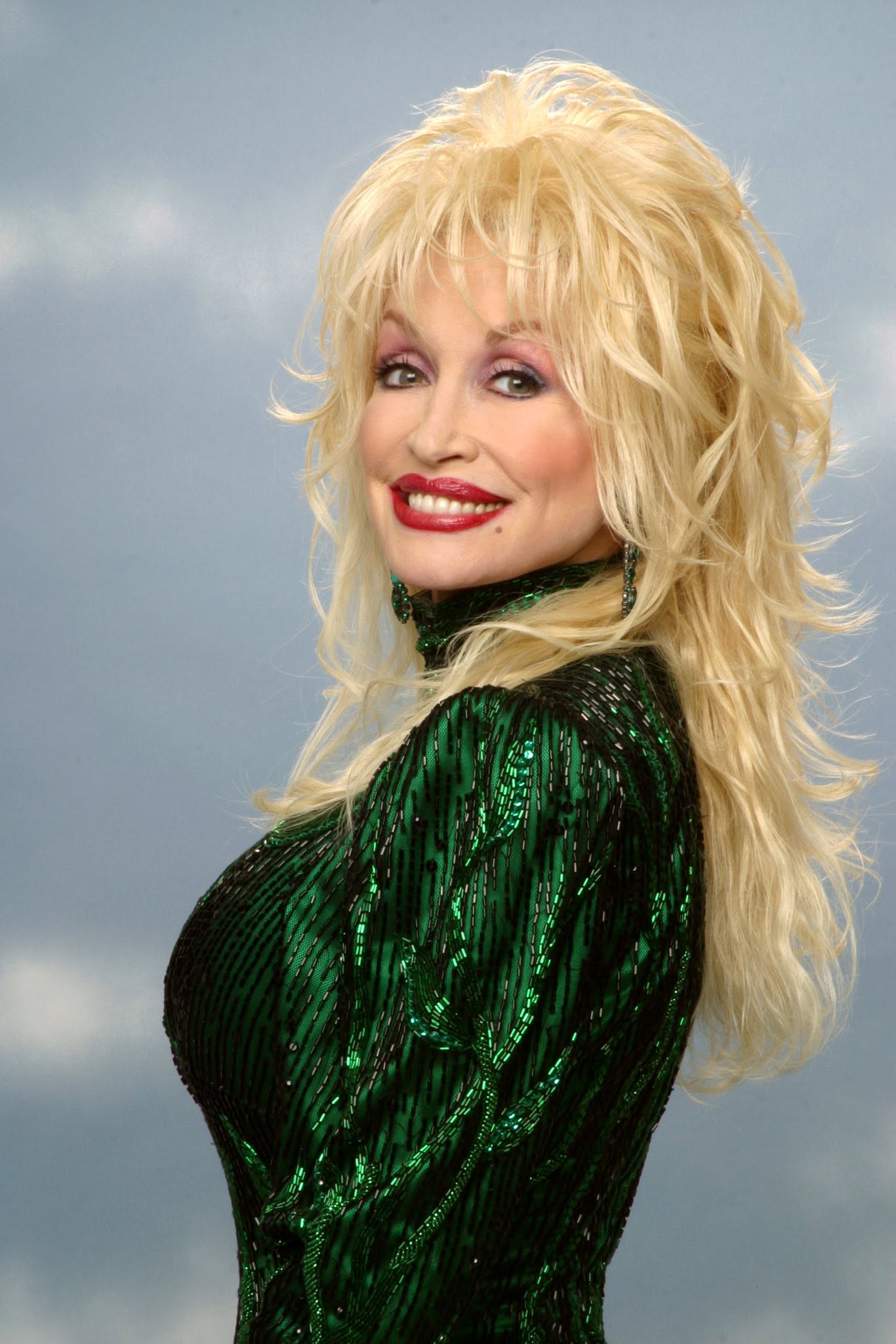
Carrie Underwood is struggling to say goodbye to Dolly Parton-and she wants the world to remember that the country legend's kindness was every bit as extraordinary as her talent.
Following Parton's death at 80 on August 25, Underwood reflected on the woman she regarded as the ultimate example of how a superstar should behave. Speaking through her record label, MCA, the American Idol winner praised Dolly as an incomparable singer, songwriter and performer, but said her character was what truly distinguished her.
"Dolly was the perfect example of how to be," Underwood declared. "She was an incredible artist and songwriter and performer, all of those things."
Yet Dolly apparently had some steel beneath that famous sweetness. Underwood recalled seeing the "Jolene" singer deal with situations she did not like or moments when something was not going according to plan. Dolly would make her feelings known, but she could do it without humiliating the people around her.
"She had a way about her of being commanding and in control but also the sweetest human," Underwood explained. "There will never be anyone like Dolly."
For Underwood, those were not merely polite words offered after a celebrity's death. She remembered being stunned that someone as famous as Dolly always knew who she was. Rather than waiting to be approached, Dolly would reportedly make a beeline for her, take her hand and offer a hug.
Underwood said that personal warmth established a standard other stars may never reach. "She was just a kind human in the midst of mega stardom," she observed. "We'll never live up to the bar, but that's the bar set at its highest."
During an emotional concert tribute, Underwood also spoke openly about Dolly's Christian faith. She told the audience that she knew where Dolly was because of how deeply the country icon loved Jesus. Fighting back tears, Underwood asked fans to illuminate the venue with their phones before dedicating her song "See You Again" to Parton.
But the mourning surrounding Dolly's death has taken several shocking and increasingly ugly turns. Her Hollywood Walk of Fame star, which had become an unofficial shrine covered with flowers, candles and handwritten messages, was found scratched and damaged just days after her passing.
One witness alleged that a woman kicked candles around the memorial and then used broken pieces to scratch the star. Another man was accused of removing flowers left by grieving fans. Officials moved forward with urgent repairs, although they noted that Dolly's aging star had already been scheduled for restoration before the reported vandalism.
Controversy also erupted over the decision to fly American flags at half-staff in Dolly's honor. Texas street preacher David Grisham reportedly went to the Borger Post Office and raised its lowered flag, openly defying President Donald Trump's directive. Grisham argued that the honor should be reserved for military personnel and public servants-not entertainers, no matter how beloved they may be.
A Mississippi mayor also refused to lower flags in his city for Dolly. The protests have divided observers, with critics accusing the men of disrespecting a woman whose philanthropy, support for children's literacy and assistance to communities in crisis stretched far beyond country music.
Meanwhile, Dolly's niece Jada Star has revealed that the star deliberately concealed her cancer battle because she did not want people worrying about her. Her family has still not disclosed the specific type of cancer she had. Dolly was reportedly admitted to Vanderbilt-Ingram Cancer Center shortly before her death and died surrounded by loved ones after what her representatives described as a brief battle with the disease.
The revelation makes Underwood's memories of Dolly's radiant public personality even more poignant. While privately confronting a deadly illness, the country icon apparently remained determined to protect others from her burden and continued presenting the hopeful, generous spirit that had defined her career.
Dolly was laid to rest beside Carl Dean, her husband of nearly 60 years, during a private family funeral. There was no extravagant celebrity spectacle-only a quiet farewell for the woman behind the wigs, rhinestones and towering legacy.
Even in death, however, Dolly has become the center of grief, vandalism, political protest and unanswered questions about her final illness. Through all the noise, Underwood's message remains unmistakable: the world did not simply lose another country singer. It lost a woman whose combination of authority, faith, humor and compassion may never be duplicated.


