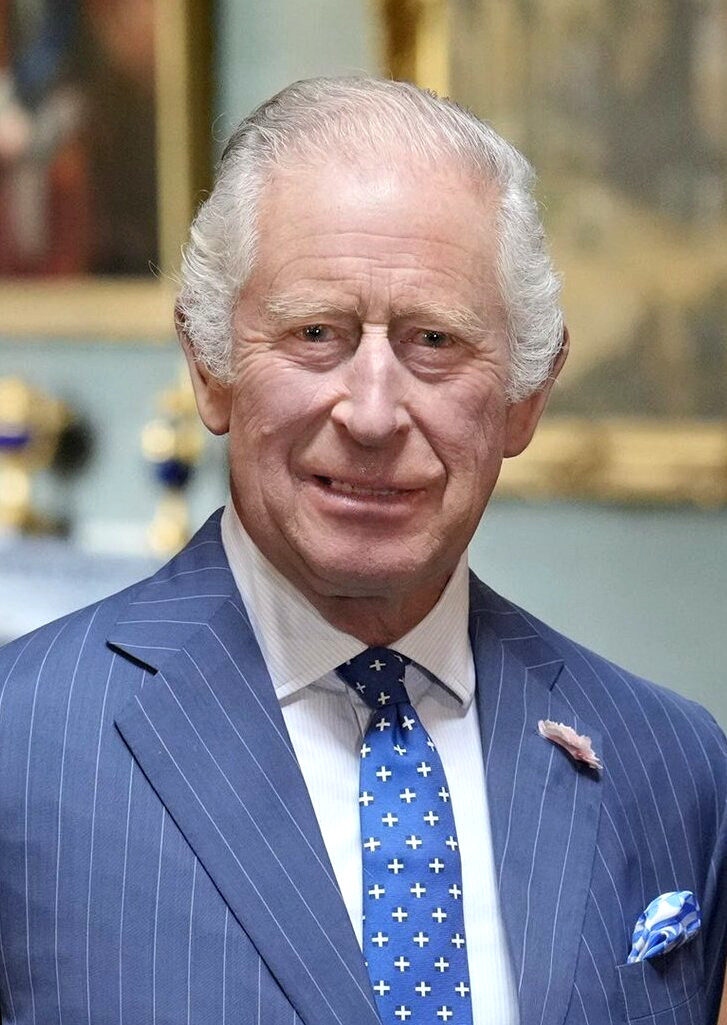
King Charles's latest reported remark about his future was strikingly frank. During a visit to Peterhead Port in Scotland, the monarch praised a development project before joking about whether he would live to see its completion. For a king still receiving cancer treatment, the comment inevitably attracts attention-but it was not an announcement that his condition had deteriorated.
"Whether I shall still be alive by the time you complete it, I don't know!" Charles said, according to a report updated September 25. The remark came while he was discussing a long-term project and unveiling a commemorative plaque. Its context matters: the report described a joke during an engagement, rather than a formal medical update.
The more substantial question is what the public actually knows about his cancer now. September reporting confirms that Charles has continued receiving treatment while maintaining royal duties. His clearest personal announcement about a change in that treatment remains the message released on December 12, 2025, when he said his treatment schedule could be reduced in the new year. That encouraging announcement should be understood with its original date attached.
Charles attributed that milestone to early diagnosis, effective intervention and following medical advice. In the official message for Stand Up To Cancer, he described the development as a personal blessing and credited advances in cancer care. He also explained that early detection had helped him continue leading an active life during treatment.
That announcement did not declare him cancer-free. The type of cancer has remained undisclosed in the reporting reviewed, and the public has not been given a detailed account of his treatment regimen or an individualized prognosis. A reduced treatment schedule provides grounds for encouragement, but it does not supply answers to every question about his condition.
His workload offers another view of how he has managed the illness. A September 8 report based on Court Circular records found that Charles carried out engagements on 164 days over the preceding 12 months. Those duties included public appearances and private audiences, showing that treatment has continued alongside a substantial schedule of official responsibilities.
The figure measures activity, however, rather than medical recovery. It demonstrates how much work the king has undertaken; it cannot establish the stage of his disease or predict his response to treatment. For readers trying to assess his health from photographs and appearances, that distinction is essential.
Queen Camilla has offered a more personal explanation of his determination to keep working. In a film released in August for cancer-support charity Maggie's, she described his approach as a way of coping with the diagnosis. Her account suggests that royal duties provide continuity and purpose during an experience that has changed their private lives.
Camilla also recalled how difficult the earliest days were, when she knew about his diagnosis but could not yet discuss it publicly. Visiting a cancer-support center shortly before Buckingham Palace's February 2024 announcement, she encountered patients and relatives while carrying her own family's news privately. She said she had wanted to speak but felt the time was not right.
Her recollection brings the spouse's experience into a story often dominated by the patient's public appearances. Maggie's chief executive Laura Lee said Camilla's response highlighted why relatives and friends also need support. The king's diagnosis may involve an institution watched around the world, but the uncertainty and emotional strain she described are familiar to many families affected by cancer.
Charles has continued using his position to support cancer research. In June, he and Camilla hosted a reception marking Cancer Research UK's 125th anniversary, meeting researchers, clinicians, volunteers and partners alongside other members of the royal family. Charles has been the charity's patron since 2024.
His own public message has emphasized the value of timely detection and the people who provide care. He urged eligible people to take up screening invitations and thanked doctors, nurses, researchers and charity workers. That advocacy gives his health disclosures a wider purpose, allowing a limited account of his own experience to encourage others to engage with available services.
For now, the verified picture is of a monarch who continues working while receiving treatment, following an earlier announcement that his treatment schedule could be reduced. His recent joke about longevity adds a candid moment to that story. Further conclusions about his cancer will require a medical disclosure from Charles or Buckingham Palace, rather than an interpretation of a passing remark.


